I remember being ten years old, hunched over my dad’s old sedan in the driveway, when that sharp, unmistakable scent of raw gas hit me mid-afternoon. It wasn’t just a smell; it was a warning. Most shops will try to tell you that a proper fuel line inspection requires some high-tech diagnostic computer or a specialized pressure tester that costs more than your monthly rent. They want you to think you’re out of your depth so you’ll just hand over your keys and your wallet. But honestly? Most of the time, it’s just about getting your eyes in the right place and knowing what a tiny crack in a rubber hose actually looks like before it turns into a fire hazard.
I’m not here to give you some textbook lecture or sell you on expensive gear you’ll never use again. My goal is to show you how to perform a real fuel line inspection using nothing more than a decent flashlight and a bit of common sense. I’ll walk you through exactly what to look for—from dry rot to weeping connections—so you can catch the problem before it leaves you stranded on the side of the road.
Table of Contents
- Spotting Early Signs of Fuel System Failure
- Inspecting Fuel Hoses for Cracks Before They Snap
- 5 Quick Ways to Make Sure Your Fuel Lines Aren't About to Quit
- The Bottom Line on Keeping Your Fuel System Safe
- ## Don't Let a Cheap Hose Break Your Bank
- Don't Let a Small Leak Become a Big Bill
- Frequently Asked Questions
Spotting Early Signs of Fuel System Failure
You don’t always need a fancy diagnostic scanner to know something is wrong; usually, your car will try to tell you through its behavior. If you notice your engine stumbling at red lights or if it takes way longer than usual to turn over in the morning, you might be looking at early signs of fuel system failure. Sometimes it’s as simple as a clogged filter or a pump that’s starting to die, but it’s better to catch it before you’re stranded on the shoulder of a highway.
Beyond how the car drives, you’ve got to use your nose and eyes. If you catch even a faint whiff of raw gas while you’re sitting in the driveway, don’t ignore it. That’s a massive red flag. I always tell people to start by inspecting fuel hoses for cracks or any signs of dampness around the connections. If you see any pooling or even just a dark, wet spot on the pavement under the engine bay, stop what you’re doing. Dealing with a small leak is a weekend project; dealing with a fire is a nightmare.
Inspecting Fuel Hoses for Cracks Before They Snap
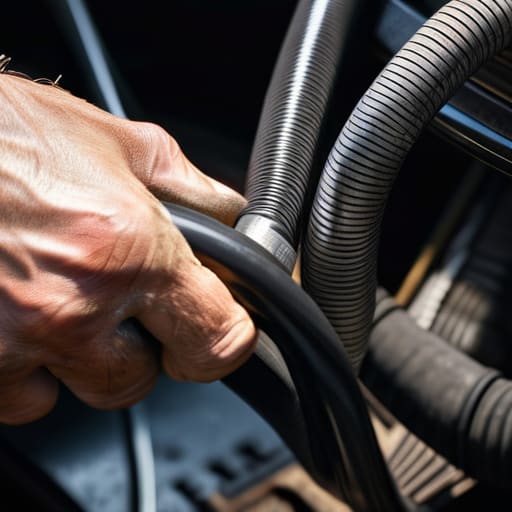
When you’re under the hood, don’t just glance at the hoses and call it a day. You need to actually get your hands on them. Grab a clean rag and run your fingers along the length of every rubber line. You’re looking for that “crunchy” feeling or any spots where the rubber feels unnaturally soft or spongy. If you see tiny spiderweb patterns in the material, that’s a massive red flag. Inspecting fuel hoses for cracks isn’t just about finding a hole; it’s about catching that dry rot before it turns into a literal fire hazard while you’re cruising down the highway.
Keep a close eye on the connection points where the hoses meet the metal fittings. This is where you’ll usually see the first real signs of fuel system failure, like dampness or a weird, heavy smell of gas. If the hose looks swollen or feels stiff like a piece of old plastic, it’s already past its prime. Don’t wait for a puddle to form on your driveway to take action. If a hose looks questionable, just swap it out—it’s a cheap fix compared to a total engine meltdown.
5 Quick Ways to Make Sure Your Fuel Lines Aren't About to Quit
- Use your nose, not just your eyes. If you catch a whiff of raw gasoline while you’re just sitting in your driveway, that’s a massive red flag that something is leaking nearby.
- Check the connections at the fuel rail and injectors. Sometimes it’s not the hose itself that’s the problem, but a loose clip or a dried-out O-ring that’s letting pressure bleed off.
- Look for “wet” spots or grime buildup. Fuel loves to attract dust and dirt; if you see a section of the line that looks unusually dirty or greasy, it’s probably soaking up a slow leak.
- Don’t forget the underside of the car. Get a flashlight and crawl under there to check the lines running along the chassis—road debris and salt can chew through them way faster than you’d think.
- Give the lines a gentle squeeze (when the engine is off, obviously). If a hose feels mushy or collapses under your fingers instead of staying firm, it’s toast and needs to be swapped out immediately.
The Bottom Line on Keeping Your Fuel System Safe
Don’t wait for a smell or a puddle; if you see even a tiny hairline crack in a rubber hose, swap it out immediately before it turns into a fire hazard.
Keep a flashlight handy and check your lines every few oil changes—it’s a five-minute job that saves you from a massive repair bill later.
If your car starts stumbling or acting weird under load, stop guessing and get under the hood to look for leaks; your gut feeling is usually right.
## Don't Let a Cheap Hose Break Your Bank
Most people think a fuel leak is something that only happens when you’re already stranded on the side of the highway, but the truth is, most of these issues start as a tiny, invisible crack that you could have caught with a flashlight and ten minutes of your time.
Nikolai·Osterman
Don't Let a Small Leak Become a Big Bill
Look, at the end of the day, inspecting your fuel lines isn’t some high-level engineering feat. It’s just about being proactive. If you’ve been keeping an eye out for that weird fuel smell, checking for those tiny cracks in your hoses, and making sure nothing is damp or leaking around the connections, you’re already ahead of 90% of drivers on the road. Catching a frayed hose or a loose fitting now is a ten-minute job with a flashlight; waiting until it sprays fuel on a hot manifold is a total nightmare you definitely don’t want to deal with.
I know it can feel intimidating when you first pop the hood and see a mess of wires and tubes, but don’t let that stop you. You don’t need a fancy diagnostic computer to realize something looks off. Just take your time, use your senses, and trust your gut. Once you start doing these little checks yourself, you’ll realize that you actually have more control over your car than any shop wants you to believe. Keep that magnetic tray handy, stay patient, and keep your hands dirty—it’s the only way to truly know your machine.
Frequently Asked Questions
How can I tell if a fuel leak is coming from a line versus just some spilled gas from a recent fill-up?
Honestly, the easiest way is to just wait. If you just filled up, wipe the area dry with a rag and let the car sit for a bit. If you see fresh wetness creeping back, you’ve got a leak. Also, keep an eye on the smell. Spilled gas fades fast, but a line leak will hit you with that heavy, constant scent every time you start the engine. Don’t ignore it.
Do I really need to replace the entire fuel line if I only find one small crack in a hose?
Look, don’t let a shop talk you into a massive bill just because of one tiny crack. If it’s just a single rubber hose that’s aging, you can usually just swap that specific section out. But—and this is a big but—if the crack is in a hard metal line or if the whole run is brittle and crumbling, that’s a different story. If one part is failing, the rest isn’t far behind.
What kind of tools do I actually need to get in there and check the lines without breaking anything?
Look, you don’t need a professional diagnostic kit for this. Just grab a decent flashlight so you aren’t squinting in the dark, and maybe some shop lights if you’re working under the chassis. A pair of clean rags is huge for wiping off grime so you can actually see the hoses. If you’re getting more hands-on, a basic set of wrenches will help, but mostly, just use your eyes and a little patience.
