I remember watching a guy at the shop last week get talked into a $800 set of new tires just because the service writer claimed his tread was “dangerously low.” The guy looked totally lost, just staring at his wheels like they were some kind of mystery. Honestly, it kills me how much shops rely on people being too intimidated to ask for proof. You don’t need to take their word for it, and you definitely don’t need to guess if your grip is shot. All you really need is a decent tread depth gauge to see the actual numbers for yourself.
I’m not here to sell you some overpriced, fancy diagnostic kit that you’ll just lose in your toolbox. My goal is to show you how to use a simple tread depth gauge to get the real truth about your rubber. I’ll walk you through exactly what those measurements mean, which ones are actually unsafe, and how to avoid getting played by a shady mechanic. We’re going to keep it simple, keep it honest, and make sure you’re driving with confidence instead of just taking someone’s word for it.
Table of Contents
Measuring Tire Grooves Without Getting Your Hands Dirty
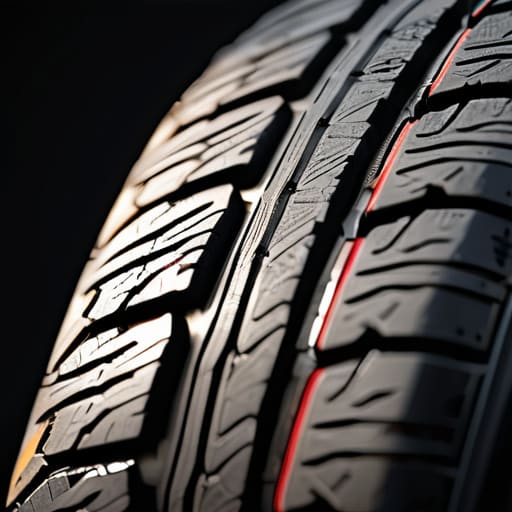
Look, I get it. Most people don’t want to spend their Saturday digging through oily grit or getting black rubber residue all over their palms just to see if they’re safe to drive. If you’re looking for a shortcut, you can actually check your tire tread wear indicators first. Most modern tires have these little raised bumps built right into the grooves. If the tread surface is flush with those bumps, you’re already past the point of no return and need to start shopping for new rubber.
If you want a more precise reading without the mess, I’d suggest picking up one of those slim, handheld tools. When you’re measuring tire grooves, you don’t need to be elbow-deep in the wheel well; you just need to slide the probe into the channel. You’ll run into a choice between digital vs analog tread gauges here. Personally, I like the analog ones because they don’t need batteries and they never glitch on you when you’re out in the driveway, but digital ones are great if you want a quick, decimal-point reading without any guesswork.
Digital vs Analog Tread Gauges Which One Wins
Look, if you’re just starting out, you’ll probably see two types of tools in the shop: the old-school analog sliders and the newer digital versions. The analog ones are basically indestructible. They’re just a piece of metal with a sliding scale, which means they don’t have a battery to die on you when you’re mid-job. I’ve used these for years on my project cars because they’re straightforward—you just slot it in and read the line. There’s no learning curve, and you don’t have to worry about a screen failing during a quick automotive safety inspection.
On the other hand, the digital models are a huge step up if you’re someone who hates squinting at tiny markings in low light. They give you a precise decimal reading instantly, which takes the guesswork out of measuring tire grooves when they’re getting thin. If you’re trying to be super exact about whether you’ve hit those legal tire tread limits, the digital readout is your best friend. Personally, I keep an analog one in my work bag for reliability, but if you want the most accurate data without the headache, digital is the way to go.
Pro Tips for Not Messing Up Your Measurements
- Don’t just check one spot. Tires wear unevenly depending on your alignment, so take readings from the inner edge, the center, and the outer shoulder to get the full picture.
- Clean the grooves first. If there’s a pebble or a chunk of dried mud stuck in there, your gauge is going to give you a fake reading, and that’s how you end up making bad calls.
- Watch out for “feathering.” If you run your finger along the tread and it feels sharp or directional in one way, your alignment is likely shot, regardless of what the gauge says.
- Check your measurements against the manufacturer’s limit, not just the legal minimum. If you’re hitting that 2/32″ mark, you’re already playing a dangerous game with wet roads.
- Keep your gauge in your glovebox or center console. If you wait until you’re already stuck on the side of the road to realize your tires are bald, it’s already too late.
The Bottom Line on Checking Your Tread
Stop eyeballing your tires; a cheap gauge is the only way to know if you’re actually safe or just guessing.
Go digital if you want precision without the headache, but a solid analog gauge will never fail you in a pinch.
Check your tread regularly, because catching wear early saves you from a massive bill for a full set of rubber.
## Stop Guessing with the Penny Trick
Look, the whole ‘quarter in a tire’ thing is fine if you’re just playing around, but if you actually care about your safety and your wallet, get a real gauge. A few millimeters of rubber is the difference between a smooth drive and a hydroplaning nightmare, and you shouldn’t have to guess when the truth is right there in your hand.
Nikolai·Osterman
The Bottom Line on Your Tread
At the end of the day, whether you decide to go with a classic analog gauge or a high-tech digital one, the goal is the same: stop guessing. We’ve looked at how much easier it is to get an accurate reading without making a mess of your hands, and we’ve weighed the pros and cons of the different tools on the market. Just remember that a tire might look “fine” to the naked eye, but that doesn’t mean it’s safe for a rainy highway drive. Investing a few bucks in a decent gauge is way cheaper than replacing a full set of rubber because you waited too long, or worse, dealing with a hydroplaning incident. Don’t let your tires become a gamble.
Look, I know most people see car maintenance as this huge, intimidating mountain of expense, but it doesn’t have to be that way. Taking five minutes to check your tread depth is a small win that keeps you in control of your vehicle and your wallet. You don’t need to be a master technician to know when your car is asking for help; you just need the right tool and the guts to check it yourself. Keep that gauge in your glovebox, stay proactive, and stop letting the shops dictate your safety. You’ve got this.
Frequently Asked Questions
Is it actually worth buying a digital gauge, or can I just use a penny to check my tread?
Look, the penny trick is fine if you’re in a pinch, but it’s not exactly precision work. Using a coin just tells you if your tires are “bad,” not how much life they actually have left. If you’re serious about maintenance, get a gauge. A digital one is worth the few bucks because it takes the guesswork out of it. I’d rather see an exact number than play guessing games with pocket change.
How often should I really be checking my tire depth if I'm not driving long distances?
Look, even if you’re just running errands or commuting to work, your tires aren’t frozen in time. I’d say grab your gauge once a month. Rubber degrades, and things like dry rot or uneven wear can sneak up on you while the car is just sitting in the driveway. It only takes thirty seconds, but catching a shallow tread early saves you from a blowout or a massive bill later. Don’t get lazy.
Does the type of tire—like all-terrain versus standard street tires—change how I should read the gauge?
Yeah, it definitely changes things. With standard street tires, you’re looking for that even wear across the tread. But with all-terrains or mud-terrains, the tread blocks are massive and deep. You can’t just check one spot; you need to make sure the lugs aren’t wearing unevenly or “feathering.” Always check multiple spots around the circumference. If one side is bald while the other is deep, you’ve got an alignment issue, not just a worn tire.
