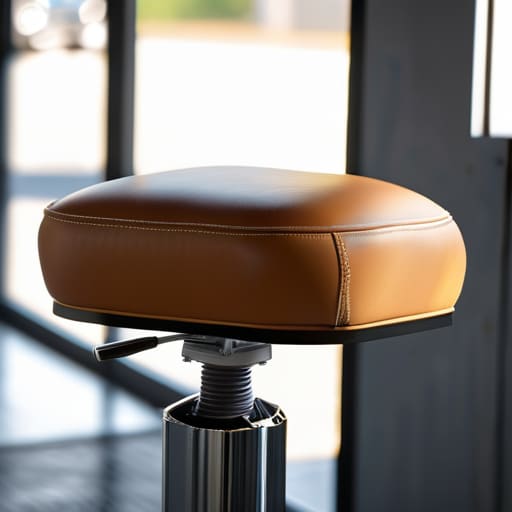
I still remember being twelve, crouched on the cold, oil-slicked concrete of my dad’s garage, trying to reach a stubborn bolt on an old Civic. My knees were screaming, my lower back felt like it was being put through a meat grinder, and I was about two minutes away from throwing my wrench across the room in frustration. I thought I needed to be “tough” to work on cars, but the truth is, I was just being stupid. I didn’t realize back then that a decent mechanic stool isn’t some luxury for professional shop rats; it’s the difference between actually finishing a job and spending the next three days icing your spine.
Look, I’m not here to sell you some overpriced, gold-plated rolling seat that promises to revolutionize your life. I’ve spent enough hours under chassis to know what actually holds up and what just breaks the first time you hit a pebble on the shop floor. I’m going to give you the straight truth on what to look for so you don’t waste your hard-earned cash on junk. We’re going to talk about height, wheel durability, and why comfort actually matters when you’re deep in a project.
Table of Contents
The Truth About Ergonomic Mechanic Seating and Your Back
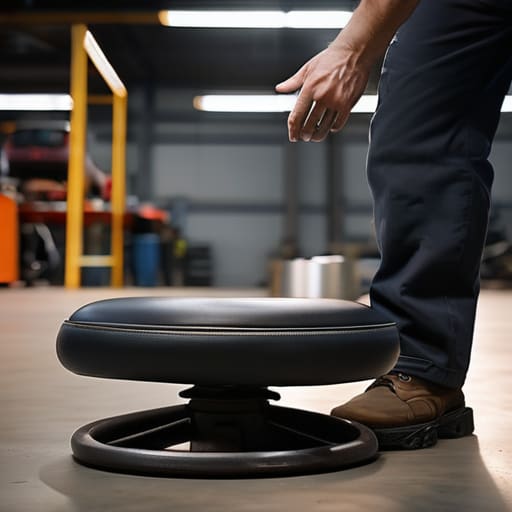
Look, I’ve seen too many guys my age trying to act tough by working on the concrete floor for six hours straight. They think they’re saving money, but they’re actually just paying for a physical therapist later. When you’re leaning over a fender or hunched under a chassis, your spine is taking a beating. Investing in proper ergonomic mechanic seating isn’t some luxury for high-end shops; it’s about making sure you can actually move the next morning. If you’re constantly twisting your torso to reach a bolt, you’re begging for a pulled muscle.
I’ve learned the hard way that a cheap plastic seat is just as bad as nothing at all. You need something that moves with you. A solid swivel mechanic seat with casters lets you glide around the vehicle instead of constantly standing up and repositioning your entire body. That constant micro-movement is what kills your lower back over time. If you can find a setup that supports your weight while letting you pivot easily, you’ll stay focused on the engine instead of focusing on how much your spine hurts.
Heavy Duty Rolling Stools Built for Real Work Not Show
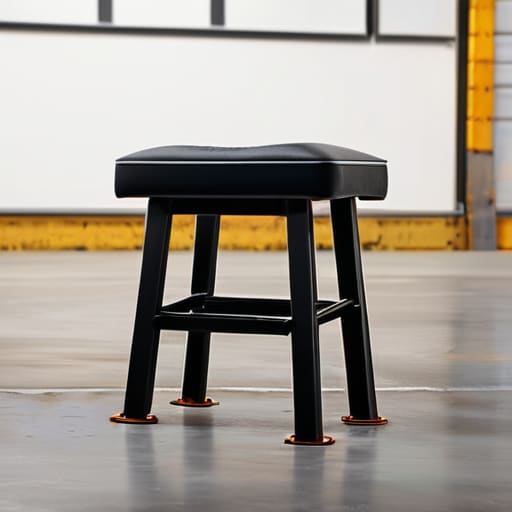
If you’re looking at those cheap, plastic stools you find at big-box retailers, stop right there. They might look fine in a photo, but once you’re halfway through a brake job and leaning into a wheel well, they’ll buckle or just feel like a piece of cardboard under you. You need heavy duty rolling stools that are actually built to handle the weight of a person and the constant abuse of a shop environment. I’ve seen guys ruin their posture on flimsy seats that don’t even have decent height adjustment, and honestly, it’s a waste of money in the long run.
When you’re hunting for something that lasts, look for a swivel mechanic seat with casters that actually roll smooth over oil spills and metal shavings. You don’t want to be fighting your own seat just to reach a bolt on the other side of the chassis. A solid setup should feel like an extension of your body, not an obstacle. If the wheels feel like they’re going to snap the second you put some pressure on them, leave it on the shelf. Real work requires gear that can actually take a beating.
Don't Waste Your Cash: What I Actually Look For in a Stool
- Check the casters before you buy. If they’re those cheap, hard plastic wheels, they’re gonna struggle on anything but a perfectly smooth showroom floor. Look for polyurethane or rubber wheels that actually roll over concrete without getting stuck or scratching it up.
- Don’t ignore the weight limit. I’ve seen guys grab a flashy-looking stool only to have the hydraulic lift fail halfway through a brake job. Make sure it’s rated for your weight plus whatever heavy parts you’re gonna be leaning on.
- Look for a seat that actually has some cushion. I’m not talking about a soft sofa, but if it’s just a piece of hard molded plastic, you’re gonna be feeling that in your tailbone by the end of a four-hour shift.
- Make sure the height range is actually useful. You need a stool that can drop low enough to get you close to the chassis, but still lift high enough so you aren’t hunched over like a question mark while you’re working on the engine bay.
- Test the swivel. A good stool should spin freely without catching or making a grinding noise. If you have to fight the seat just to turn your body, you’re just adding unnecessary strain to your lower back.
The Bottom Line on Picking Your Stool
Don’t cheap out on a plastic stool that’ll crack the first time you lean on it; get something with actual weight and heavy-duty casters that won’t dive into a puddle of oil.
Your spine isn’t invincible, so prioritize a seat that actually supports your weight instead of just letting you hover uncomfortably over the floor.
Think about your workspace before you buy—if you’re constantly sliding under chassis, you need smooth rollers, not something that gets stuck on every little pebble in your garage.
Don't Ignore the Physical Toll
“Look, you can spend all your money on the best torque wrench or a fancy scanner, but if you’re spending every shift hunched over a chassis without a decent stool, you’re just trading your long-term health for a quick fix. Your back won’t forgive you for being cheap on ergonomics.”
Nikolai·Osterman
The Bottom Line on Your Setup
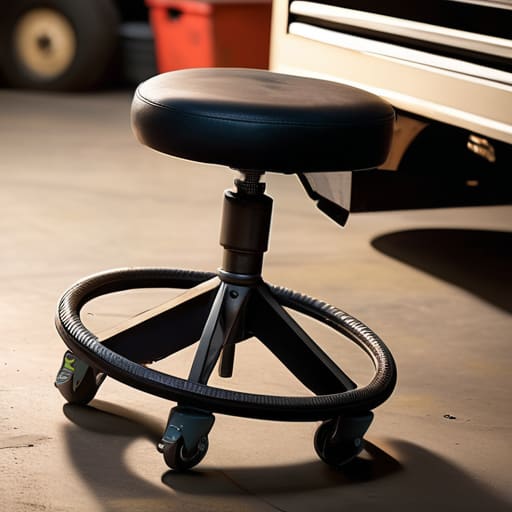
At the end of the day, choosing a stool isn’t just about picking a piece of furniture; it’s about deciding how much pain you’re willing to deal with by next Tuesday. We’ve talked about why you can’t just sit on a milk crate if you actually want to protect your spine, and why investing in a heavy-duty rolling stool is way better than buying some cheap plastic thing that’ll snap the first time you lean on it. If you’re going to spend hours hunched over a fender or crawling around a chassis, you need something that supports your weight and actually moves with you. Don’t let a bad seat be the reason you stop working on your own cars.
Look, I know it feels like spending money on a stool is a waste when you could be buying more socket sets or a new turbo kit. But trust me, your body is the most important tool in your garage, and once you blow out your back, no amount of money is going to fix it easily. Treat your setup with some respect, and it’ll let you stay in the game longer. You don’t need a massive professional shop to do things the right way—you just need the right mindset and the right gear. Get the stool, grab your magnetic tray, and get back under the hood.
Frequently Asked Questions
Is it worth spending the extra cash on a rolling stool with a swivel, or is a basic stationary one fine for light DIY stuff?
Look, if you’re just changing oil once a year, a stationary stool is fine. But if you’re actually spending a few hours under a chassis, get the swivel. Being able to rotate your body without twisting your spine or dragging a heavy seat across the concrete makes a massive difference. For light DIY, it’s a luxury, but once you start working on more complex jobs, that extra mobility saves your back from a lot of unnecessary ache.
How do I know if a stool's wheels are actually going to handle my garage floor without getting stuck or scratching it?
Don’t just trust the “heavy-duty” label on the box. If you’re working on a polished concrete floor or a smooth epoxy coating, stay away from those cheap, hard plastic wheels. They’ll scratch your finish and feel like you’re dragging a brick. Look for polyurethane or soft rubber casters. They roll smooth, won’t leave gouges, and actually glide when you’re trying to maneuver under a chassis. If they feel stiff in the store, they’ll be a nightmare in your garage.
Should I be looking for something with a built-in tool tray, or is that just more junk that'll end up getting covered in grease?
Honestly? Skip the built-in tray. Most of those integrated compartments are too shallow and end up becoming a graveyard for loose bolts, oily rags, and bits of debris you don’t want rolling around. I’ve seen way too many guys get frustrated when their “convenient” tray spills half their socket set across the shop floor. Just grab a solid stool and keep your tools in a dedicated rolling cart or your magnetic tray. Keep it simple.
