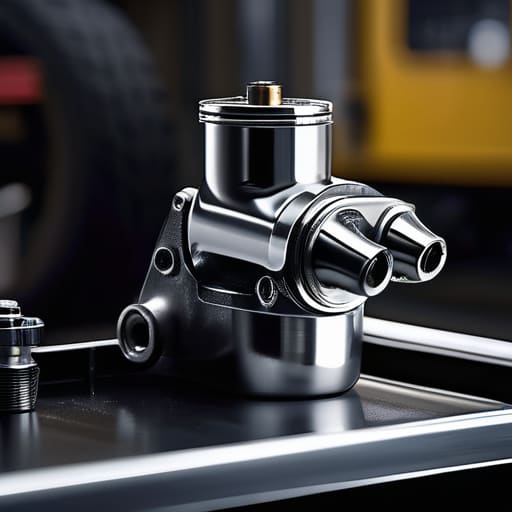
I remember sitting in my dad’s garage when I was twelve, staring at a puddle of dark fluid under an old sedan and feeling like the world was ending. He just wiped his hands on a greasy rag, pointed at the pedal, and told me it wasn’t a disaster—just a bad clutch master cylinder. Most shops will try to tell you that a spongy pedal or a slipping gear means you need a whole new hydraulic system or, worse, a total transmission overhaul. They’ll quote you a number that looks more like a mortgage payment just because they know you’re scared of what’s under the hood.
Look, I’m not here to give you some textbook lecture or sell you on a specialized diagnostic computer you don’t need. I’m going to show you how to spot the actual signs of a failing clutch master cylinder and, more importantly, how to swap it out yourself without losing your mind. My goal is to give you the straight truth on the tools you’ll actually use and the shortcuts I’ve learned from years of getting my hands dirty. We’re going to get that pedal feeling firm again, and we’re going to do it on your terms.
Table of Contents
- Spotting the Clutch Pedal Feel Symptoms Early
- The Real Truth About Clutch Hydraulic System Components
- Knowing the Replacing Clutch Master Cylinder Signs
- Pro Tips for Dealing with a Dying Master Cylinder
- The Bottom Line on Your Clutch
- ## The Reality of the Repair
- Don't Let a Spongy Pedal Slow You Down
- Frequently Asked Questions
Spotting the Clutch Pedal Feel Symptoms Early
Spotting the Clutch Pedal Feel Symptoms Early
You don’t need a diagnostic computer to tell you something is wrong; your feet usually tell the story first. If you notice the pedal getting soft, spongy, or suddenly hitting the floorboards when you shift, those are classic clutch pedal feel symptoms you can’t ignore. It usually starts small—maybe a little more effort is needed to disengage the gear—but if you keep pushing it, you’re going to end up stranded. It’s easy to mistake this for a simple air bubble, but if the sensation doesn’t go away after a quick bleed, something internal is likely failing.
Keep a close eye on any leaks around the pedal assembly inside the cabin or near the firewall. Often, a failing unit will weep fluid, and since the clutch hydraulic system components rely on constant pressure to work, even a tiny drip can cause massive clutch pressure issues. You might also see a puddle under the car, but remember that the slave cylinder plays a huge role here too. It’s a delicate balance between the two, so don’t just swap parts blindly—listen to what the pedal is telling you.
The Real Truth About Clutch Hydraulic System Components
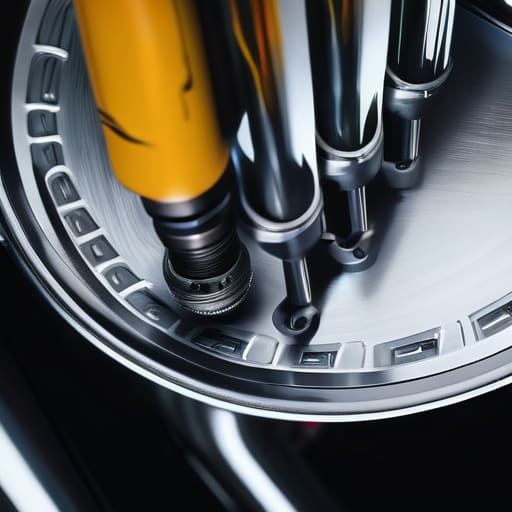
Look, most people think the master cylinder is working in a vacuum, but that’s where they get tripped up. You’ve got to understand the clutch slave cylinder relationship to actually diagnose what’s going on. Think of it like a relay race: the master cylinder starts the movement by pushing fluid down the line, and the slave cylinder finishes the job by physically moving the fork. If one side is leaking or losing pressure, the whole system is basically useless. It’s a closed loop, so if you see fluid pooling under the pedal, you aren’t just looking at a single part failure; you’re looking at a breakdown of the entire hydraulic circuit.
Another thing that catches people off guard is the fluid itself. I see guys trying to top things off with whatever’s in the garage, but you can’t just mix anything. The difference between brake fluid vs clutch fluid can vary depending on your specific setup, and using the wrong stuff will eat your seals from the inside out. If you’re experiencing weird clutch pressure issues, it’s usually because air has snuck into the lines or the fluid has gotten nasty. Don’t just swap parts blindly—make sure the whole system is clean.
Knowing the Replacing Clutch Master Cylinder Signs
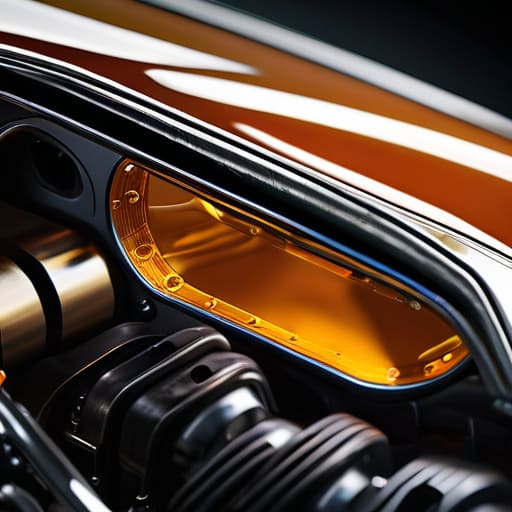
So, how do you know when it’s actually time to stop poking at it and just swap the unit out? Usually, it’s a mix of physical cues and a little bit of visual evidence. If you notice a puddle of clear or amber-colored fluid sitting on your transmission bellhousing or dripping near the firewall, that’s a massive red flag. That’s likely your clutch fluid leaking past the internal seals. Keep in mind, while it looks a lot like brake fluid, you shouldn’t mix them up; using the wrong stuff can wreck your seals faster than you can say “mechanic’s bill.”
Another big giveaway is when you’re fighting the car just to get into gear. If you’re experiencing constant clutch pressure issues—like the pedal staying stuck to the floor or needing a manual “pump” just to get it to engage—the internal piston is probably toast. It’s also worth checking if the leak is coming from the slave cylinder instead, since they share a close clutch slave cylinder relationship within the same hydraulic loop. If the pedal feels inconsistent and you see fluid, don’t wait for it to fail completely in traffic.
Pro Tips for Dealing with a Dying Master Cylinder
- Don’t just top off the fluid and call it a day. If your level is dropping, you’ve got a leak somewhere—either in the cylinder itself or down the line at the slave cylinder. Just adding more fluid is like putting a band-aid on a broken leg; it’s just masking a bigger headache.
- Get a good bleeding kit before you start. Nothing kills my mood faster than a job that should take thirty minutes turning into a four-hour nightmare because you’re fighting air bubbles in the lines. If you don’t get all the air out, that new cylinder isn’t going to do a damn thing.
- Keep your workspace clean, seriously. Clutch fluid is basically acid for your car’s paint. If you spill some on your fender while you’re working, wipe it off immediately with water. I’ve seen guys ruin their finish because they were too lazy to grab a rag.
- Check your brake fluid color before you touch anything. If it looks like dark soy sauce, it’s full of moisture and grit that’s probably what killed your master cylinder in the first place. If you’re replacing the cylinder, you might as well flush the whole system to save yourself the trouble later.
- Invest in a decent set of flare nut wrenches. Most of the fittings on these hydraulic lines are easy to strip if you try to use a standard open-end wrench. I’ve spent way too much time trying to wiggle a stuck bolt out of a damaged line, and trust me, you don’t want to do that.
The Bottom Line on Your Clutch
Don’t ignore a spongy pedal or a floor-hitting clutch; those are your car’s way of telling you the master cylinder is failing before you end up stranded.
You don’t need to be a master tech to swap this part, but you do need to be patient and make sure you don’t let air get trapped in the lines.
Getting this fix done yourself saves you a massive headache and a huge bill at the shop, so just grab the right tools and give it a shot.
## The Reality of the Repair
“A lot of shops will try to tell you the whole hydraulic line is shot or that you need a whole new pedal assembly, but usually, it’s just a tired master cylinder. Don’t let them overcomplicate it—once you swap that part out, you’ll realize how much money you just saved by just doing the work yourself.”
Nikolai·Osterman
Don't Let a Spongy Pedal Slow You Down
Look, if you’ve been paying attention to how your pedal feels or noticed fluid leaking near the firewall, you’ve already done the hardest part. We’ve covered how to spot those early warning signs, the reality of how your hydraulic system actually functions, and exactly when it’s time to stop patching things up and just swap out that master cylinder for good. Most people see a sinking clutch pedal and immediately think they need to drop a thousand bucks at a dealership, but once you understand that it’s usually just a mechanical failure of a single component, the whole job feels a lot less intimidating. Just remember to keep your workspace clean and don’t forget to bleed the air out of the lines once you’re done, or you’ll be right back where you started.
At the end of the day, my goal is to make sure you feel confident enough to grab a wrench instead of a credit card. Dealing with a failing clutch can be frustrating, especially when you’re stuck in traffic or trying to get somewhere fast, but taking control of your own repairs is where the real satisfaction comes from. You don’t need a fancy shop or a master technician’s certification to keep your ride on the road; you just need the right parts, a little patience, and the guts to get your hands dirty. You’ve got this, so get in there and get it fixed.
Frequently Asked Questions
Is it worth trying to rebuild the old master cylinder with a kit, or should I just bite the bullet and buy a brand-new one?
Look, I get the temptation to save a few bucks with a rebuild kit, but honestly? Just bite the bullet and buy a new one. Rebuilding is fine for vintage projects where parts are rare, but for a daily driver, it’s a gamble. You might swap the seals and think you’re good, only to have a leak a week later. For the price difference, the peace of mind from a fresh unit is worth it.
If I replace the master cylinder, do I also need to swap out the slave cylinder to prevent it from failing next week?
Look, I get why you’re asking—nobody wants to do the same job twice. If your slave cylinder is still firm and not leaking, you don’t have to swap it. But honestly? If your master cylinder died from old, dirty fluid, that same grit is probably eating away at the slave cylinder’s seals too. If you can swing the extra few bucks, just replace both. It saves you a massive headache later.
How do I know if I have an air bubble stuck in the lines after I finish the swap?
If you’ve got air trapped in the lines, your pedal is going to feel like you’re stepping on a sponge—super soft and inconsistent. You might also notice it’s harder to actually disengage the gear, or you’ll see tiny bubbles popping in the reservoir while you’re bleeding it. If the pedal feels “mushy” or won’t hold pressure, you’ve still got air in there. Just keep bleeding it until that resistance feels solid again.
