I remember being ten years old, kneeling on my dad’s oil-stained driveway, staring at a neon-green puddle spreading under his old sedan. The smell was unmistakable—that sickly sweet, chemical scent that hits you right in the back of your throat. My dad didn’t call a tow truck or panic; he just grabbed a flashlight and told me to watch closely. That’s when I first learned that radiator leaks aren’t some mysterious, engine-killing curse that requires a $2,000 shop bill. They’re usually just a sign that a hose is tired or a plastic tank has finally given up the ghost.
I’m not here to give you some textbook lecture or sell you on a “professional-grade” kit you don’t need. My goal is simple: I want to show you how to spot the source, figure out if it’s a quick fix or a real problem, and get you back on the road without getting ripped off. We’re going to look at the actual hardware, the common failure points, and the no-nonsense steps to handle it yourself. You’ve got the tools; you just need the right way to use them.
Table of Contents
- Checking for Coolant Leaks Before Your Engine Quits
- The Real Coolant Loss Causes They Wont Tell You
- 5 Ways to Keep Your Cooling System From Trashing Your Engine
- The Bottom Line: Don't Let a Small Leak Turn Into a Big Bill
- ## The Cost of Waiting
- Don't Let a Small Leak Turn Into a Big Headache
- Frequently Asked Questions
Checking for Coolant Leaks Before Your Engine Quits

You don’t always need to see a puddle on your driveway to know something is wrong. Sometimes, the signs are much more subtle, happening right while you’re driving to work. Keep a close eye on your dashboard; if you see your engine temperature gauge rising toward the red zone, that’s your car screaming for help. It’s one of the most common engine overheating symptoms I see at the shop, and by the time the steam starts pouring out from under the hood, you’ve usually waited way too long.
Another thing to watch for is a sudden drop in your coolant level. If you notice you’re topping off your reservoir every few days, you’re dealing with some serious coolant loss causes that need immediate attention. I always tell people to do a visual inspection when the engine is completely cold. Look for crusty, white, or brightly colored residue around the hoses and connections. Even a tiny bit of dried buildup can point to a slow drip that’ll eventually turn into a massive headache.
The Real Coolant Loss Causes They Wont Tell You
Look, most shops will immediately tell you that you need a whole new radiator, but that’s often a massive money grab. One of the most common coolant loss causes I see in the shop is actually a simple radiator cap failure. That little cap is designed to maintain specific pressure in your cooling system; if the seal goes bad or the spring gets weak, the coolant just boils off or escapes through the overflow. It’s a cheap part, but if you ignore it, you’re looking at much bigger problems down the road.
Another thing that gets overlooked is a hairline crack in a heater hose or a failing water pump seal. These aren’t always obvious until you notice your engine temperature gauge rising while you’re sitting in traffic. Sometimes the leak only happens when the system is under full pressure, meaning you won’t see a puddle on your driveway, but your reservoir is still dropping. If you’re seeing those early engine overheating symptoms, don’t just keep topping it off with water and hope for the best—find the actual source before you warp a head gasket.
5 Ways to Keep Your Cooling System From Trashing Your Engine
- Don’t just eyeball the level; use a dedicated coolant tester. Sometimes the leak is so slow it’s just evaporating, and you won’t see a puddle, but your sensors will definitely tell you something is wrong when the temp starts climbing.
- Check your hoses for “soft spots” or cracks. If a hose feels spongy or looks like it’s bulging, it’s a ticking time bomb. I’ve seen way too many people wait until the hose actually bursts on the highway to realize they needed a $20 part.
- Keep an eye on your radiator cap. It’s a tiny part that people always overlook, but if that seal is shot, you’re going to lose pressure and coolant. It’s one of the easiest, cheapest fixes you can do in your own driveway.
- Use a pressure tester if you can’t find the source. If you’re staring at a dry engine bay and still losing fluid, rent or buy a pressure tester. It forces the coolant out of the leak point so you aren’t just guessing where the drip is coming from.
- Never, ever mix different types of coolant. I know it’s tempting to just grab whatever is on sale at the auto parts store, but mixing colors or chemistries can create a sludge that clogs your entire system. Stick to what your manual says.
The Bottom Line: Don't Let a Small Leak Turn Into a Big Bill
Keep a close eye on your temperature gauge and coolant levels; catching a leak early usually means a cheap fix instead of a blown head gasket.
Most leaks aren’t some mysterious engine failure—they’re usually just a cracked hose, a loose clamp, or a worn-out radiator cap that you can swap out yourself.
If you see a puddle, don’t just top off the fluid and ignore it; find the source so you aren’t constantly chasing a losing battle under your hood.
## The Cost of Waiting
“Look, a small drip under your car isn’t just a mess on your driveway—it’s a ticking clock. You can either spend twenty bucks on a new hose today, or you can spend a thousand bucks on a blown head gasket next week when your engine decides it’s had enough.”
Nikolai·Osterman
Don't Let a Small Leak Turn Into a Big Headache
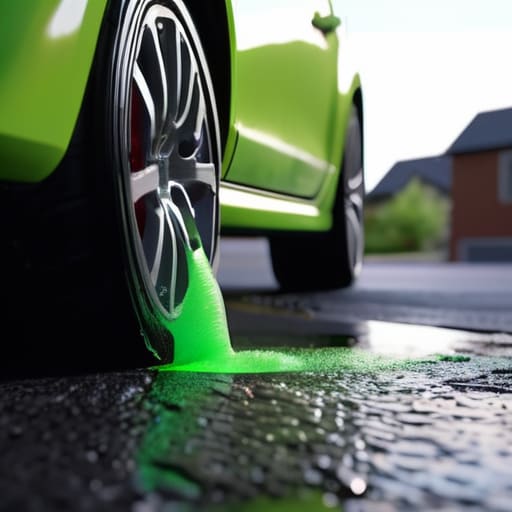
Look, at the end of the day, fixing a radiator leak isn’t about being a master mechanic; it’s about staying ahead of the game. Whether you’re dealing with a cracked hose, a tiny pinhole in the core, or a failing water pump, the goal is the same: catch it before your temperature gauge starts climbing into the red. If you can spot those early warning signs—the sweet smell of coolant or that telltale puddle on your driveway—you’ve already won half the battle. Don’t let a minor drip turn into a blown head gasket or a completely dead engine just because you were too busy to look under the hood. Grab your tools, check your levels, and stay proactive.
I know it can feel intimidating when you see a mess of hoses and metal, but I promise you, you’re more capable than you think. My dad always told me that most people only call a shop when things are already broken, but the real pros are the ones who understand their own machines. You don’t need a fancy certification to take care of your ride; you just need a bit of patience and the willingness to get your hands a little dirty. So, next time you see something off, don’t just ignore it and hope for the best. Take control of your car and keep it running on your own terms.
Frequently Asked Questions
Can I just keep topping off the coolant until I actually have time to fix the leak?
Look, I get the temptation to just keep dumping more coolant in to avoid a shop visit, but you’re playing a dangerous game. You can do it as a temporary band-aid, sure, but keep a massive eye on your temp gauge. If that needle starts creeping up, stop immediately. If you run dry because you were too busy to fix the leak, you aren’t just looking at a new hose—you’re looking at a blown head gasket.
How do I tell if the leak is coming from a simple hose or if the actual radiator core is shot?
To figure this out, grab a flashlight and get low. If you see crusty, dried coolant or a wet spot right where a rubber hose meets a metal clamp, you’re probably looking at a cheap hose fix. But, if the fluid is seeping directly through the thin metal fins of the radiator itself, that core is toast. Check the seams and the tank connections; if the leak is coming from the radiator’s body, it’s time for a replacement.
Is it worth trying to patch a small leak with a temporary sealant, or am I just asking for a bigger headache later?
Look, I’ll be real with you: sealant is basically just a band-aid for a broken bone. If you’re stuck on the side of the road or just need to limp the car home to avoid a tow, go for it. But don’t make it a habit. Those additives can gunk up your heater core or clog your passages, turning a cheap leak into a massive repair bill. Patch it to survive, then fix it for real.
