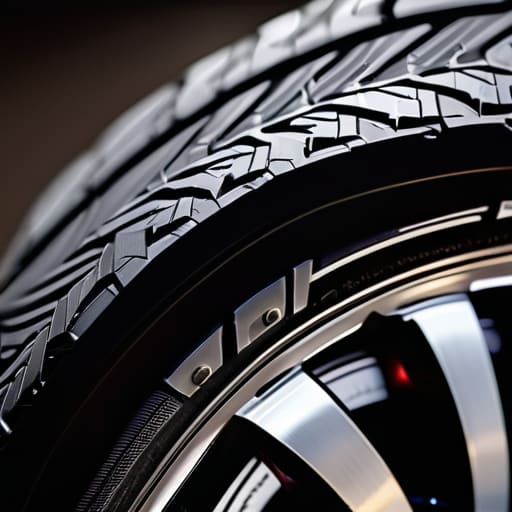
I saw a guy at the shop last week getting quoted a ridiculous fee just for a “comprehensive tire safety inspection.” Honestly, it makes my blood boil. They try to act like tread depth measurement is some kind of high-tech science that requires a specialized computer or a certified specialist to understand. It’s not. Most of the time, you’re just paying for a guy in a clean uniform to squint at your rubber for thirty seconds and tell you what you already know. You don’t need to hand over your paycheck just to find out if your tires are actually safe for a rainy drive home.
I’m not here to sell you on fancy gadgets or expensive shop services. My goal is to show you how to get an honest reading on your tires using stuff you probably already have in your junk drawer. I’ll walk you through the quick, dirty, and most importantly, accurate ways to check your tread so you can make your own decisions. No fluff, no jargon—just the straight truth about what’s actually happening between your car and the road.
Table of Contents
The Quick Penny Test for Tires You Can Do Now
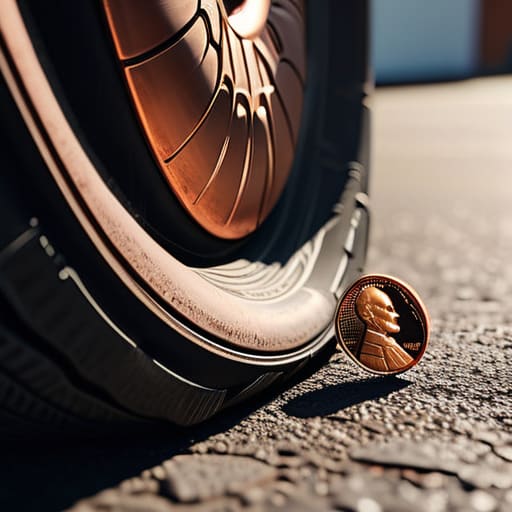
Look, you don’t need to go out and buy some fancy digital gauge to know if your rubber is shot. If you’re standing in your driveway and feeling a little uneasy about how your car handles in the rain, just grab a penny from your cup holder. Take that penny, flip it so Lincoln’s head is facing down, and shove it into one of the grooves in your tire.
If you can see the top of Lincoln’s head, your tread is too shallow. That’s a massive red flag for wet traction safety because you’ve lost the ability to channel water away from the contact patch. When that tread gets too thin, you’re basically driving on slicks, which is a recipe for hydroplaning the second you hit a puddle.
I tell my friends all the time: don’t wait for a mechanic to tell you you’re unsafe just to upsell you a full set. This little penny test for tires is the fastest way to check your status. If the coin sits deep in the groove, you’re likely fine for now, but if it’s sitting flush, it’s time to start shopping for replacements.
Understanding Tire Tread Depth Standards Without the Fluff
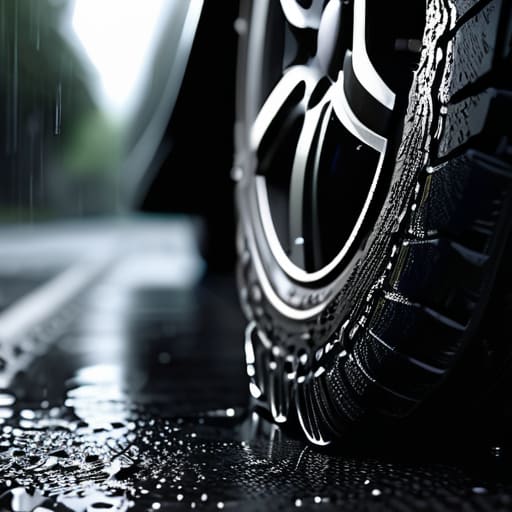
Look, you don’t need to memorize a textbook to understand why these numbers matter. Most shops will talk to you about tire tread depth standards like they’re some kind of secret code, but it’s actually pretty straightforward. Basically, the deeper those grooves are, the better your car can pump water out from under the rubber. When that rubber gets too thin, you lose that vital contact with the road, and that’s when things get sketchy.
If you want to be precise, most modern tires have built-in tire replacement indicators—little raised bumps sitting inside the grooves. When the tread wears down level with those bumps, you’re officially out of time. It’s not just about saving money on a new set; it’s about hydroplaning prevention. If you’re driving through a heavy downpour and your tires are bald, you aren’t driving anymore—you’re just floating. Keeping an eye on this is one of the easiest ways to keep your daily driver from turning into a literal sled on a wet highway.
Pro Moves to Keep Your Tires from Failing You
- Don’t just check one spot; walk around the whole tire and check the inner and outer edges, because uneven wear usually means your alignment is trashed.
- Grab a dedicated tread depth gauge if you can swing it—it’s way more accurate than a penny and costs less than a decent lunch.
- Keep an eye out for “wear bars” tucked into the grooves; if the tread is flush with those little bumps, stop driving and go get new rubber immediately.
- Check your tread depth after a long drive when the tires are warm, as sometimes heat can slightly change how the rubber sits, though it’s mostly to get you in the habit of inspecting them regularly.
- Watch for uneven patterns like cupping or scalloping while you’re measuring, because that tells you more about your suspension health than the actual depth does.
The Bottom Line on Your Tread
Don’t overcomplicate it—if you can see the top of Lincoln’s head in a penny, your tires are toast and you need to shop for new ones immediately.
Keep an eye on those wear bars; if the tread is flush with those little bumps in the grooves, you’re riding on a prayer and losing grip.
Checking your tread isn’t just about avoiding a fine; it’s about making sure you actually have enough traction to stop when things get sketchy on a wet road.
Don't Let a Cheap Set of Tires Cost You a Total Write-off
Most people think they’re fine until they’re hydroplaning on the highway, but checking your tread isn’t some complex diagnostic—it’s just about not being lazy with a penny so you don’t end up paying for a wreck instead of a new set of rubber.
Nikolai·Osterman
Don't Leave It to Chance
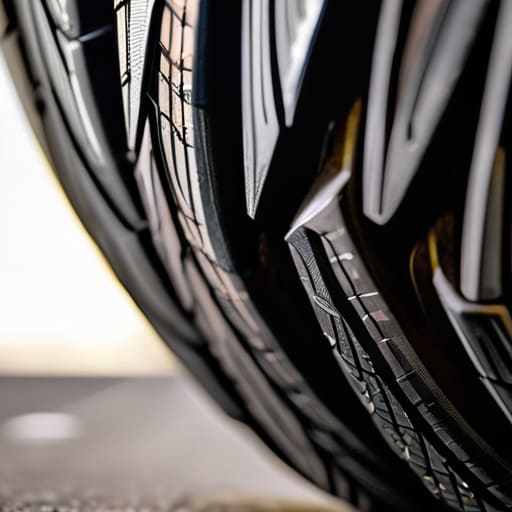
Look, at the end of the day, checking your tread isn’t some complicated diagnostic procedure that requires a high-end scanner. Whether you’re using the old-school penny trick or grabbing a dedicated depth gauge from your toolbox, the goal is the same: knowing exactly where you stand before the weather turns or the highway gets busy. You’ve learned how to spot the wear patterns, how to read the legal limits, and most importantly, how to trust your own eyes instead of just blindly trusting whatever a service advisor tells you at the counter. Keep an eye on those grooves, and don’t ignore the warning signs just because you’re in a rush.
My dad always used to say that the best way to save money on a car is to stop treating it like a mystery box and start treating it like a machine you actually understand. You don’t need to be a master technician to take ownership of your safety, and you definitely don’t need to pay someone else to tell you your tires are fine when they clearly aren’t. Grab your tools, spend five minutes in your driveway, and take control of your ride. Once you start doing these small, basic checks yourself, you’ll realize that most of what people call “car trouble” is really just a lack of simple maintenance.
Frequently Asked Questions
Is it enough to just check one spot on the tire, or do I need to measure all around it?
Look, checking just one spot is a rookie mistake. I’ve seen guys pass a tire because the center looked fine, only to have the outer edge shred a week later. Tires don’t wear evenly—you might have great tread in the middle but zero grip on the shoulders due to alignment issues. Grab your gauge and check a few spots around the circumference. If one area is bald, the whole tire is toast.
My tires still have some tread left, but they look cracked or worn on the sides—is that still a problem?
Yeah, that’s a massive red flag. If the sidewalls are cracking, you’re looking at dry rot. It doesn’t matter if you’ve got plenty of tread left in the middle; those cracks mean the rubber is breaking down and losing its structural integrity. A blowout on the highway is way more dangerous than a worn-out tread. Honestly, if I see sidewall cracking on a car in my bay, I’m telling the customer to swap them out immediately.
Do I really need to buy one of those little plastic depth gauges, or is the penny trick actually reliable?
Look, if you’re just doing a quick check in your driveway, the penny trick is totally fine. It gives you a solid “yes” or “no” on whether you’re hitting that danger zone. But if you’re serious about your build or trying to squeeze every last mile out of a set of high-performance rubber, grab a $5 plastic gauge. It’s way more precise than a coin, and honestly, it’s worth it for the peace of mind.
