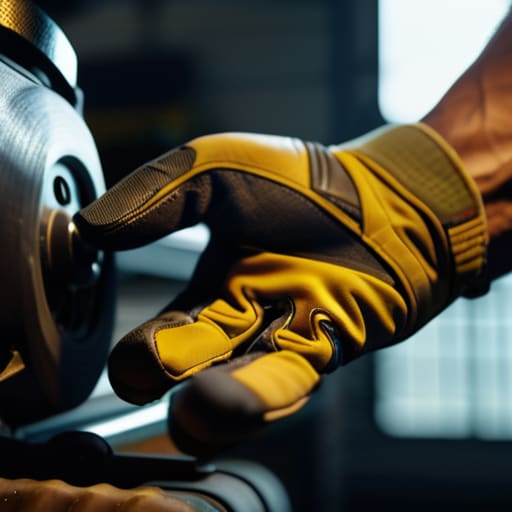
I remember sitting on my dad’s oil-stained concrete floor when I was twelve, trying to wrestle a stubborn bolt on an old Corolla. I thought I was being tough by working bare-handed, but by the time I finished, my knuckles were shredded and the grease was so deep under my fingernails that no amount of scrubbing could get it out. That was the day I realized that skipping out on decent mechanic gloves isn’t some badge of honor—it’s just a fast track to ruining your hands and slowing down your work.
Look, I’m not here to sell you some overpriced, high-tech gear that promises to turn you into a professional racer overnight. Most of the stuff you see in flashy ads is just marketing fluff designed to drain your wallet. I’m going to give you the straight truth based on what I actually use in the shop every single day. We’re going to break down which pairs actually hold up against heat and chemicals, and which ones are just a complete waste of money.
Table of Contents
- Why Nitrile Coated Work Gloves Are Your Best Friend
- Finding the Perfect Balance of Tactile Sensitivity Repair Gloves
- 5 Ways to Not Waste Your Money on Trash Gloves
- The Bottom Line on Protecting Your Hands
- ## The Real Cost of Skipping the Right Gear
- Don't Settle for Less Than Your Hands Deserve
- Frequently Asked Questions
Why Nitrile Coated Work Gloves Are Your Best Friend

Look, if you’re working on a modern engine, you’re dealing with a mess of tiny sensors and tight spaces. This is exactly why I swear by nitrile coated work gloves over those bulky, old-school leather ones. Leather is great for swinging a sledgehammer, but the second you try to feel a loose clip or thread a small bolt, you’re fighting the material. Nitrile gives you that tactile sensitivity you need to actually feel what you’re doing, which prevents you from stripping heads or snapping delicate plastic connectors.
Plus, let’s be real about the fluids we deal with. Between the old engine oil and whatever brake cleaner you’re using, your skin takes a beating. These gloves act as solid oil resistant hand protection, so you aren’t scrubbing grease out from under your fingernails for three days straight after a simple oil change. They grip onto slippery tools way better than bare hands, too. If you want to work faster and keep your skin from getting trashed, making the switch to a coated style is the easiest win you’ll have in the garage.
Finding the Perfect Balance of Tactile Sensitivity Repair Gloves
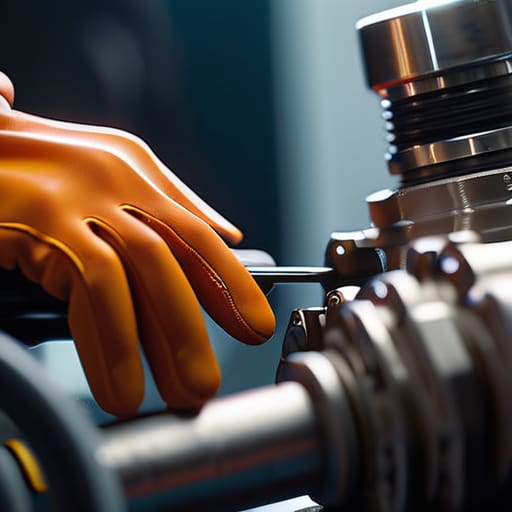
The biggest headache I run into at the shop is when a guy buys these massive, thick leather gauntlets and then realizes he can’t even feel a tiny 10mm bolt anymore. If you can’t feel the threads, you’re going to cross-thread something, and then you’re looking at a much bigger headache than just a bit of grease. You need tactile sensitivity repair gloves that actually let you feel the tension in a screw or the click of a connector. If your hands feel like they’re encased in oven mitts, you’re going to end up frustrated and making mistakes.
I usually tell people to look for a hybrid setup. You want something that offers cut resistant mechanic gloves protection if you’re reaching around sharp radiator supports or jagged metal edges, but without the bulk. A good pair should be thin enough to pick up a dropped washer but tough enough to handle the grime. Finding that sweet spot between “I can feel everything” and “I won’t slice my fingers open” is what separates a smooth job from a total nightmare.
5 Ways to Not Waste Your Money on Trash Gloves
- Don’t go for the cheapest bulk packs you find online. If the palms shred after one oil change, you’re just throwing money into the scrap bin. Spend a few extra bucks on something that actually lasts.
- Check the dexterity before you buy. There’s nothing more annoying than trying to fish a tiny 10mm bolt out of a tight crevice with gloves that feel like you’ve got oven mitts on.
- Look for reinforced knuckles if you’re working on older, beat-up rigs. You’ll be bumping into rusted brackets and sharp edges constantly, and you don’t want a metal shard slicing right through the fabric.
- Make sure they’re breathable. If you’re stuck under a chassis for two hours, your hands are going to sweat like crazy. If the gloves don’t breathe, they’ll get slippery and gross real fast.
- Get a pair with a good grip pattern on the fingers. When you’re trying to get leverage on a stubborn, greasy wrench, the last thing you need is your hand sliding off and smashing your knuckles against the frame.
The Bottom Line on Protecting Your Hands
Don’t just grab the cheapest pair at the hardware store; if you can’t feel the small bolts or the tension on a clip, you’re going to end up stripping something or losing a nut in the engine bay.
Go with nitrile-coated gloves for the heavy, greasy jobs—they give you that grip you need when things get slippery, but they won’t let the oil soak straight through to your skin.
Prioritize a mix of protection and dexterity so you aren’t fighting your own gear while trying to reach a stubborn sensor or a tight fastener.
## The Real Cost of Skipping the Right Gear
“Look, you can try to ‘tough it out’ with bare hands, but between the jagged metal edges and the chemical burns from old fluids, you’re just asking for a week of busted knuckles that’ll keep you off the tools. A decent pair of gloves isn’t some luxury; it’s the difference between finishing the job or sitting on the sidelines nursing a cut.”
Nikolai·Osterman
Don't Settle for Less Than Your Hands Deserve
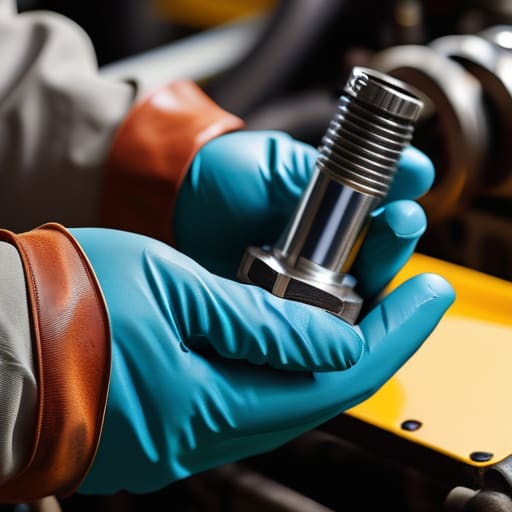
Look, at the end of the day, picking out the right gloves isn’t about being fancy; it’s about not making your job harder than it already is. We talked about why those nitrile coatings are a lifesaver for grip and why you can’t sacrifice that tactile sensitivity if you’re trying to feel a stripped bolt or a tiny clip. If you go too heavy, you’re working blind, and if you go too light, you’re just asking for a nasty scrape or a chemical burn. Just remember to match the glove to the specific task you’re tackling, whether it’s a heavy engine swap or just swapping out some sensors.
I know it feels like just another thing to buy, but trust me, your hands are your most important tools in this shop. I’ve seen too many guys skip out on decent protection only to end up frustrated because they couldn’t feel what they were doing, or worse, they’re nursing busted knuckles for a week. Don’t let a cheap pair of gloves be the reason you give up on a repair halfway through. Grab something solid, get under that hood, and start taking control of your own maintenance. You’ve got this.
Frequently Asked Questions
How do I know if I need heavy-duty leather gloves or just the thin nitrile ones for a specific job?
Look, it’s all about what you’re actually touching. If you’re just swapping out sensors or messing with wiring harnesses, stick to the thin nitrile ones—you need that feel so you don’t snap a connector. But if you’re pulling a rusted suspension bolt or sliding under a chassis where things are sharp and heavy, grab the leather. Don’t be a hero; if it looks like it could scrape or crush you, go heavy-duty.
Are these gloves actually going to protect me if I'm working with harsh chemicals like brake cleaner?
Look, I’ll be straight with you: if you’re drenching your hands in brake cleaner, most standard work gloves aren’t going to cut it. They’re built for grip and scrapes, not chemical barriers. If you’re dealing with harsh solvents or nasty fluids, you’re better off throwing on some heavy-duty nitrile disposables over your work gloves. Don’t risk a chemical burn just to save a few seconds—protect your skin first, then get back to the job.
How often should I be replacing them before they get too greasy or lose their grip?
Honestly, don’t wait until they’re falling apart. If you can’t feel the small bolts anymore because the coating is caked in sludge, or if you feel yourself slipping while trying to tighten a stubborn nut, toss them. For me, if they’re looking more black than whatever color they started as, it’s time. I usually swap mine out every few months of heavy work, but if the grip goes, they’re useless.
