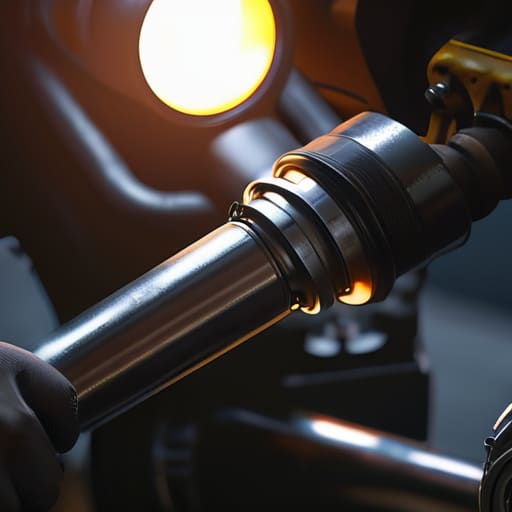
I remember being sixteen, working under my dad’s old sedan, when I first felt that weird, rhythmic shudder through the steering wheel. It wasn’t just a vibration; it felt like the car was fighting me every time I tried to take a corner. Most shops will see that and immediately try to sell you a whole new rack or a massive service package that costs more than your monthly rent. They treat a simple steering inspection like it’s some high-tech mystery that only someone with a computer and a fancy degree can solve, but honestly? Most of the time, it’s just a worn-out tie rod or a loose bolt that you could find with a flashlight and a bit of grit.
I’m not here to sell you a lifestyle or a specialized diagnostic suite. My goal is to show you exactly what I look for when I’m under a car, from the grease-stained reality of worn bushings to the subtle signs of a failing pump. I’m going to walk you through a real, hands-on steering inspection so you can stop guessing and start knowing. You don’t need a master technician’s license to figure out if your car is safe; you just need to know where to look.
Table of Contents
Spotting Those Sneaky Wheel Alignment Symptoms

The first thing you’ll probably notice isn’t a loud noise, but the way the car actually behaves when you’re cruising. If you find yourself constantly making tiny corrections just to keep the car traveling in a straight line, you’re looking at classic wheel alignment symptoms. It’s that annoying feeling where you let go of the wheel for a split second on a flat road and the car immediately starts drifting toward the shoulder. Don’t mistake this for just “old car character”—it’s usually a sign that your toe or camber settings are totally out of whack.
Another big red flag is when you feel a constant, rhythmic shimmy through the rim. While people often jump to conclusion about steering wheel vibration causes being a bad tire, it’s frequently tied to how your suspension is sitting. If the vibration gets worse as you pick up speed, your alignment is likely fighting against your tires, which will eat through your tread way faster than it should. Keep an eye on your tire wear patterns, too; if you see heavy wear on just the inside or outside edges, your alignment is definitely screaming for help.
Why Steering Wheel Vibration Causes Should Never Be Ignored

If your steering wheel starts dancing in your hands, don’t just turn up the radio and pretend it isn’t happening. That shaking is your car’s way of screaming for attention. Most of the time, you’re looking at steering wheel vibration causes like an unbalanced tire or a bent rim, but it can get way more serious than that. If you ignore it, you aren’t just dealing with a shaky ride; you’re actively letting parts wear down that shouldn’t be.
The real danger is when that vibration is tied to something deeper in the guts of your car. For example, if the shaking comes with a whining noise or a heavy feeling when you turn, you might be staring down a potential power steering pump failure. That’s a much more expensive headache than just getting a tire balanced. It could also be a sign that your steering linkage is getting loose or worn out. Honestly, it’s better to catch these steering system warning signs early during a quick visual check rather than waiting until a component actually snaps while you’re hitting highway speeds.
5 Quick Ways to Check Your Steering Before You Hit the Shop
- Grab a flashlight and look behind those front tires. You’re hunting for torn rubber boots on your tie rods or ball joints; if you see grease splattered everywhere, that boot is busted and your parts are gonna wear out fast.
- Get in the driver’s seat and wiggle the wheel back and forth while the car is parked. If you hear a clicking or popping sound coming from underneath you, you’re likely looking at a worn-out intermediate shaft or a bad steering rack.
- Check your tire tread for “cupping” or uneven wear patterns. If one side of the tire looks smoother than the other, your alignment is off, and you’re basically throwing money away by replacing tires too early.
- Watch for any fluid leaks on your driveway, specifically near the front center of the car. If you see oily spots, your power steering pump or the rack itself might be weeping, which is a massive headache if it goes totally dry.
- Pay attention to how much effort it takes to turn. If the steering suddenly feels heavy or “notchy” at certain spots in the rotation, don’t just assume it’s a bad day—it’s usually a sign that something mechanical is binding up.
The Bottom Line on Your Steering
Pay attention to how the car actually feels when you’re driving; if it’s pulling to one side or vibrating, your car is trying to tell you something before a small fix turns into a massive bill.
Don’t let a mechanic talk you into a full rack-and-pinion replacement until you’ve actually checked the basics like tie rod ends and bushings yourself.
Regular inspections aren’t just about safety—they’re about saving your tires from getting chewed up by bad alignment, which is a total waste of money.
## The Cost of Ignoring the Small Stuff
“A mechanic might try to tell you it’s just an expensive alignment job, but honestly? Most of the time, you’re just ignoring a worn-out tie rod or a loose bushing that’s begging to be replaced before it snaps.”
Nikolai·Osterman
Don't Wait Until You're Stranded

At the end of the day, keeping your steering tight isn’t about being a master mechanic; it’s about paying attention to the cues your car is already giving you. Whether you’re noticing a weird pull to the left, feeling that annoying vibration through the wheel, or hearing a rhythmic clunk every time you hit a bump, those aren’t just “character quirks” of an old car. They are early warning signs that something in your tie rods, ball joints, or alignment is failing. Catching these issues while they’re still just a nuisance is the difference between a quick, cheap fix in my shop and a massive, expensive repair bill—or worse, a complete loss of control on the highway.
I know it can feel intimidating to crawl under a car or even just poke around the wheel wells, but I promise you, you are more capable than you think. You don’t need a fancy diagnostic computer to know when something feels off. Grab a flashlight, take a look at your components, and trust your gut. Once you start understanding how these parts work together, you’ll stop feeling like a victim to whatever the guy at the service counter tells you. Stay proactive, keep your tools ready, and take control of your own ride.
Frequently Asked Questions
Is it possible to tell if my tie rod ends are shot just by looking under the car, or do I need to actually drive it?
You can definitely spot a bad tie rod just by looking, but you’ll need a jack to get the wheel off. Once it’s up, grab the tire at the 3 and 9 o’clock positions and try to shake it. If there’s any play or a clicking sound, that joint is toast. If it feels solid, you’re likely okay, but a visual check won’t catch everything—driving it helps you feel those subtle vibrations.
If my car is pulling to one side but the steering wheel isn't shaking, is it still a steering issue or could it just be bad tires?
Honestly, it could be either. If the wheel isn’t shaking, you probably don’t have a major balance issue or a bent rim, but that pull is still a red flag. It’s usually one of two things: your alignment is off, or you’ve got uneven tire wear. Check your tread—if one side looks more worn than the other, your tires are just following the path your bad alignment set for them.
How can I tell the difference between a power steering fluid leak and just some old grime sitting on the rack?
The easiest way is the “clean cloth test.” Grab a rag and wipe down the rack and boots. If it’s just old grime, you’ll get a dark, crusty smear that stays on the cloth. If it’s a leak, the fluid will look oily, feel slippery, and—most importantly—it’ll keep dripping even after you wipe it clean. If that rag comes away looking like fresh engine oil, you’ve definitely got a leak.
