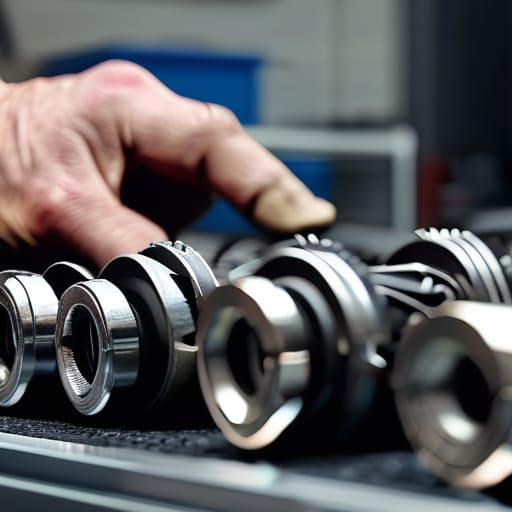
I was under a lifted ’98 Silvia last Tuesday when a customer’s quote for a steering rack repair came across my desk. The shop manager wanted to charge him nearly two grand just to swap the assembly, claiming it was “too complex” for a DIYer. Honestly, it makes my blood boil. Most shops love to treat a steering issue like a death sentence for your bank account, but they’re usually just overcomplicating a job that really just requires a decent set of sockets and some elbow grease. You don’t need a master technician’s certification to realize that most of these “catastrophic” failures are just worn-out boots or a simple leak that you can fix yourself.
Look, I’m not going to feed you some sanitized, textbook version of how this goes down. I’m going to give you the straight truth from someone who spends his days covered in grease and his nights turning wrenches on my own projects. I’ll walk you through the actual process of a steering rack repair, from diagnosing the play in your wheel to the moment you finally tighten that last bolt. My goal is to make sure you walk away knowing exactly what’s happening under your hood so you never get ripped off again.
Table of Contents
- Decoding Steering Rack Symptoms Before They Get Costly
- Mastering Steering Rack Noise Diagnosis With Your Own Ears
- Pro Tips to Save Your Sanity (and Your Wallet) During the Swap
- The Bottom Line on Your Steering
- ## The Truth About Steering Issues
- Don't Let the Shop Overcharge You
- Frequently Asked Questions
Decoding Steering Rack Symptoms Before They Get Costly
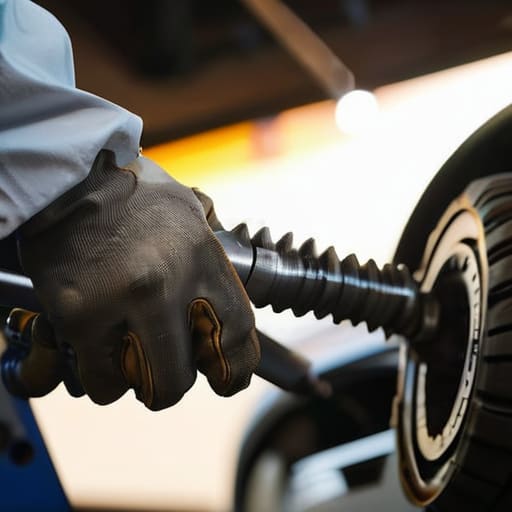
You don’t want to wait until you’re stranded on the shoulder of a highway to realize something is wrong with your steering. Most of the time, your car will try to tell you something is up through those early steering rack symptoms. I usually tell my friends to listen for a whining or groaning sound when they turn the wheel. If that sound is accompanied by a heavy, sluggish feeling in the steering wheel, you might be looking at a power steering pump failure, but it could also be a leak in the rack itself.
Another big red flag is seeing fluid puddling under your front end or noticing a weird “clunking” sensation when you hit a bump. If you’re hearing metal-on-metal grinding, it’s time for some serious steering rack noise diagnosis. Sometimes, it’s just a matter of a quick steering rack seal replacement to stop a leak, but if you ignore it, you’ll end up having to replace the whole unit. Catching these small issues early is the difference between a cheap fix and a massive bill at the shop.
Mastering Steering Rack Noise Diagnosis With Your Own Ears
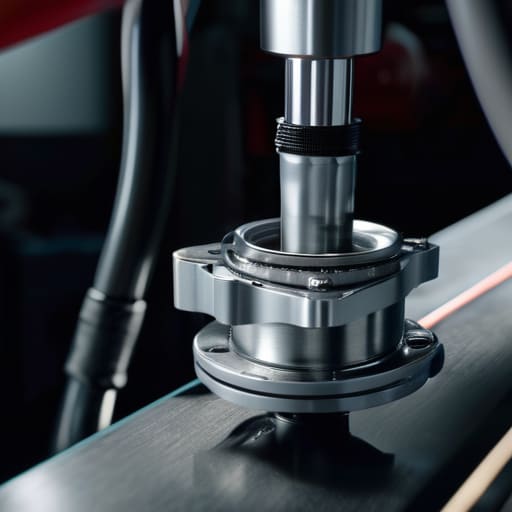
One thing I’ve learned working in the shop is that your ears are actually better than most cheap OBD scanners when it comes to the steering system. If you’re sitting in the driver’s seat and hear a high-pitched whine every time you turn the wheel, don’t immediately assume you need to replace steering rack assembly and drop a thousand bucks. Often, that whine is actually a sign of a power steering pump failure or just low fluid levels. You need to distinguish between a mechanical grind coming from the rack itself and a hydraulic scream coming from the pump.
If the noise sounds more like a rhythmic clicking or clunking specifically when you’re hitting bumps or turning sharply, that’s a different story. That’s usually the internal gears or the mounting bushings playing up. I always tell people to try and isolate the sound: turn the engine off and move the wheel. If it’s silent, it’s likely hydraulic. If it still makes a “clack,” you’re looking at a mechanical issue within the rack. Getting the hang of steering rack noise diagnosis early can save you from a massive headache down the road.
Pro Tips to Save Your Sanity (and Your Wallet) During the Swap
- Don’t just wing it with any old fluid; check your manual for the specific power steering fluid your rack calls for, because using the wrong stuff is a fast track to blowing out your new seals.
- Grab a decent set of flare nut wrenches before you start, because using a standard open-end wrench on those hydraulic lines is the easiest way to strip a fitting and turn a simple job into a nightmare.
- Keep your magnetic parts tray handy—seriously, I can’t tell you how many times I’ve lost a critical mounting bolt in the dark abyss of a wheel well because I wasn’t being careful.
- Before you pull the old rack out, take a bunch of photos of the tie rod connections and sensor wiring; once everything is disconnected, your brain is going to forget exactly how those lines were routed.
- When you’re reinstalling, make sure you’re bleeding the air out of the system properly by turning the wheel lock-to-lock several times while the engine is off, or you’ll be stuck with a loud, shuddering mess.
The Bottom Line on Your Steering
Don’t ignore the warning signs; if your wheel is vibrating or making weird noises, catching it early can save you from a massive repair bill later.
You don’t always need a shop to diagnose the issue—pay attention to how the car feels and listens, and you’ll know if it’s a simple fix or something more serious.
Most steering rack issues aren’t a death sentence for your car, as long as you have the right tools and don’t let a small leak turn into a total system failure.
## The Truth About Steering Issues
Most shops will try to tell you a leaking steering rack is a “replace-only” job that’ll cost you a grand, but half the time, it’s just a worn seal or a loose mounting bolt that a little grease and the right wrench can fix.
Nikolai·Osterman
Don't Let the Shop Overcharge You
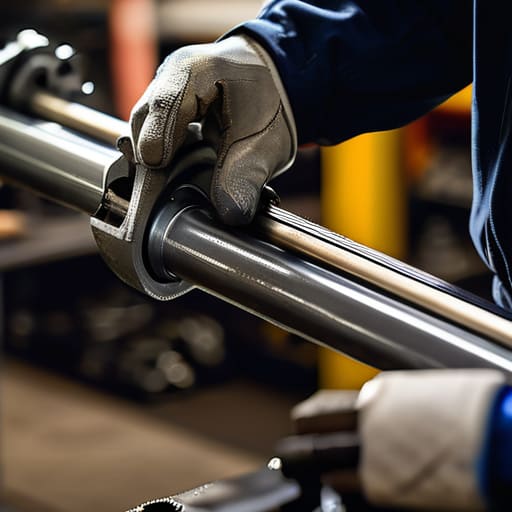
At the end of the day, fixing your steering rack isn’t some mysterious black box that only a master technician can touch. We’ve walked through the warning signs—from that annoying fluid leak on your driveway to the weird clunking sounds that keep you up at night—and you now know how to actually listen to what your car is telling you. Whether it’s a simple seal replacement or a full rack swap, the key is catching the issue early. If you wait until your steering feels like you’re driving through wet cement, you’re not just looking at a repair; you’re looking at a massive headache and a much bigger bill.
I know it feels intimidating when you’re staring at a heavy component under your chassis, but don’t let that stop you. I’ve spent countless weekends covered in grease, and I promise you, the feeling of finally getting that steering wheel smooth and responsive again is worth every bit of the struggle. You don’t need a fancy degree or a million-dollar lift to take control of your machine. Grab your tools, keep your parts organized, and just take it one bolt at a time. You’ve got this, and your wallet will definitely thank you later.
Frequently Asked Questions
Do I really need to replace the whole rack, or can I just fix a leaking seal myself?
Look, it depends on how bad the damage is. If it’s just a weeping seal and the fluid level is holding steady, you might be able to swap the seal out and save a ton of cash. But if the internal gears are notched or the shaft is pitted, a new seal won’t do squat—it’ll just leak again in a week. If the steering feels notched or heavy, just bite the bullet and replace the whole rack.
How can I tell if the issue is actually my power steering pump and not the rack?
Look, it’s easy to blame the rack when things feel off, but don’t jump the gun. If you’re hearing a high-pitched whine that changes pitch when you turn the wheel, that’s usually your pump screaming for help, not the rack failing. Also, check your fluid. If it looks like burnt coffee or you see bubbles in the reservoir, your pump is likely struggling. If the steering is just “heavy” or vague, then we start looking at the rack.
Is it safe to keep driving if my steering just feels a little "mushy" for a few more days?
Honestly? I wouldn’t risk it. If your steering feels “mushy,” you’re likely losing pressure in your power steering system or dealing with air in the lines. That’s a huge red flag. It might feel fine for a few miles, but if a seal blows or a hose snaps while you’re mid-turn, you’re going to lose control fast. Check your fluid levels right now, but please, don’t treat this like a “wait and see” situation.
