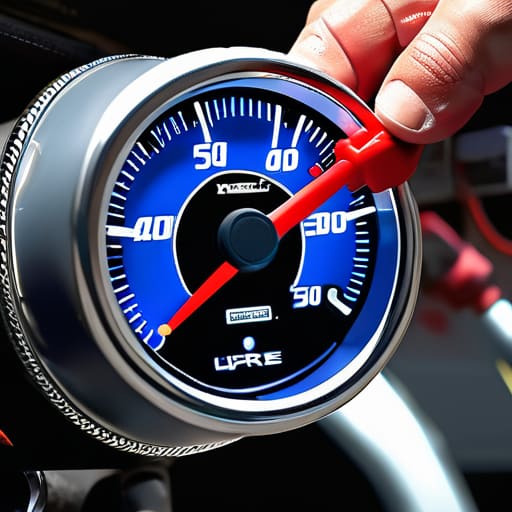
Last summer, I watched a buddy of mine get handed a bill for nearly four hundred bucks just to have a shop perform a basic air conditioning recharge. He was sweating through his shirt in a parking lot, looking at that invoice like it was a death sentence, but honestly? It was a total rip-off. Most shops act like you need a specialized laboratory and a PhD just to top off your refrigerant, but that’s just a way to pad their margins. If your vents are blowing nothing but lukewarm air, you aren’t looking at a catastrophic system failure; you’re likely just looking at a minor leak that needs a quick fix.
I’m not here to sell you some fancy, overpriced kit or tell you that you need to rebuild your entire compressor. I’ve spent enough time under hoods—from my dad’s old sedans to the sensor-heavy builds I work on now—to know that most of this stuff is actually pretty straightforward. I’m going to walk you through exactly how to handle an air conditioning recharge yourself, using basic tools and a bit of common sense. No gatekeeping, no unnecessary jargon—just the straight truth so you can keep your cash in your pocket and your car actually cold.
Table of Contents
Identifying the Truth Signs of Low Ac Refrigerant

Before you go dropping a few hundred bucks at the shop, you need to figure out if your system actually needs juice or if something else is broken. The most obvious giveaway is simply having your car ac blowing warm air even when the compressor is kicking on. If you crank the settings to max and all you get is a lukewarm breeze, your automotive ac refrigerant levels are likely bottoming out. It’s a frustrating feeling, especially when you’re stuck in traffic, but it’s usually the first clue.
You might also notice some weird noises coming from under the hood. If you hear a high-pitched hissing or a loud rattling sound when you engage the AC, that’s often a sign that the system is struggling to maintain pressure. Keep an eye out for any oily residue around the hose connections or the condenser; that’s a classic symptom of an ac system leak detection scenario. If you see grime or oil buildup, you don’t just have a low charge—you’ve got a leak that needs fixing before you even touch a recharging kit.
The Real Cost of Car Ac Blowing Warm Air

Look, I’ve seen it happen a hundred times at the shop. A customer rolls in because their car ac blowing warm air is driving them crazy in the summer heat, and the service advisor drops a quote that sounds like a mortgage payment. Most of that bill isn’t even for the actual gas; it’s for “diagnostic fees” and “labor hours” just to hook up a gauge. If you aren’t dealing with a massive, obvious leak, you’re often paying a premium just for someone to top off what’s already there.
The real sting comes when you realize you’ve been overcharged for a simple fix. While I always tell people to check for ac system leak detection first—because if there’s a hole, you’re just throwing money into the wind—the price gap between a DIY job and a professional shop is wild. You can grab a decent recharging car air conditioning kit for the price of a decent lunch, whereas a shop might charge you triple that just to pull into the bay. Don’t let a little lack of knowledge turn a minor maintenance task into a massive drain on your wallet.
Pro Tips to Keep Your AC from Crapping Out
- Don’t go overboard with the cans. It’s tempting to keep pumping refrigerant in until it feels ice cold, but overcharging is a real thing and it can actually wreck your compressor. Stick to the gauges and follow the pressure specs.
- Grab a decent manifold gauge set if you can swing it. The cheap “one-way” cans with the little built-in gauges are okay for a quick fix, but if you actually want to know what’s happening inside the system, you need the real deal.
- Check for leaks before you even think about recharging. If your refrigerant is low, it’s because it escaped from somewhere. If you just top it off without finding the leak, you’re basically just throwing money out the window.
- Keep your condenser clean. It’s that radiator-looking thing in the front of your car. If it’s packed with dirt, leaves, or dead bugs, your AC won’t be able to shed heat properly, and you’ll be sweating no matter how much gas you put in.
- Always wear eye protection. I know, it sounds like something your dad would nag you about, but refrigerant is under pressure and can cause serious frostbite or eye damage if a hose snaps or a fitting sprays while you’re working.
The Bottom Line on Your AC
Don’t panic if your vents are blowing warm—it’s usually just a low refrigerant charge, not a total system failure that requires a shop visit.
You can save a massive chunk of change by doing the recharge yourself with a DIY kit instead of paying a mechanic’s hourly labor rate.
Always double-check for leaks before you top it off, because just adding more gas won’t fix a hole in a hose or a bad seal.
The Mechanic's Secret
Look, most shops will try to sell you a whole new compressor when all your car really needs is a quick refrigerant top-off and a fresh seal. Don’t let them charge you a grand for something you can fix with a DIY kit and twenty minutes of your time.
Nikolai·Osterman
Don't Let Them Charge You for Air

At the end of the day, if your vents are blowing warm air, it doesn’t mean your entire compressor is fried or that you need to drop a grand at the dealership. We’ve covered how to spot the signs of low refrigerant and, more importantly, how much money you’re actually leaving on the table by letting a shop handle a simple recharge. Once you realize that a DIY kit and a little bit of patience are all you really need, the whole process feels a lot less intimidating. Just remember to double-check your seals for leaks first, because you don’t want to be refilling a system that’s got a hole in it. Keep it simple, keep it steady, and don’t rush the gauges.
Look, I get it. Opening up your hood and messing with pressurized cans feels sketchy if you didn’t grow up in a garage like I did. But honestly? That’s how you stop being a victim to the “mechanic tax.” Every time you handle a basic maintenance task yourself, you’re gaining a level of independence that most drivers never get. You don’t need an Associate Degree or a fancy lift to take control of your own ride. Grab your tools, stay focused, and start trusting your own hands. You’ve totally got this.
Frequently Asked Questions
Do I need to vacuum out the old refrigerant before I add more, or can I just top it off?
Look, if you’re just topping it off because the air feels a little lukewarm, you don’t necessarily need to vacuum the system. Most DIY recharge kits are designed for that. But—and this is a big but—if your system is completely empty or you’ve been leaking refrigerant for months, a simple top-off is just a band-aid. In those cases, you really should vacuum the lines to get the moisture out, or you’ll end up killing your compressor.
Is there a way to tell if I actually have a leak, or am I just wasting money recharging a system that's broken?
Look, I’ve seen it a hundred times: someone buys a recharge kit, fills it up, and two days later they’re back to blowing hot air. If you’re just topping it off, you’re throwing money into a hole. Check your condenser for oily residue or wet spots—refrigerant carries oil, so a leak usually leaves a grime trail. If you see that, stop recharging and find the leak, or you’re just chasing your tail.
Can I use those cheap recharge cans from the auto parts store, or am I going to mess up my compressor?
Look, I get it—those $20 cans at the auto parts store are tempting. But here’s the deal: most of those “all-in-one” kits contain stop-leak additives that can gunk up your system and kill your compressor long-term. If you’re going to do it yourself, try to find pure refrigerant without the junk. If you overcharge it because you’re eyeballing a cheap gauge, you’re basically asking for a massive repair bill later. Be careful.
