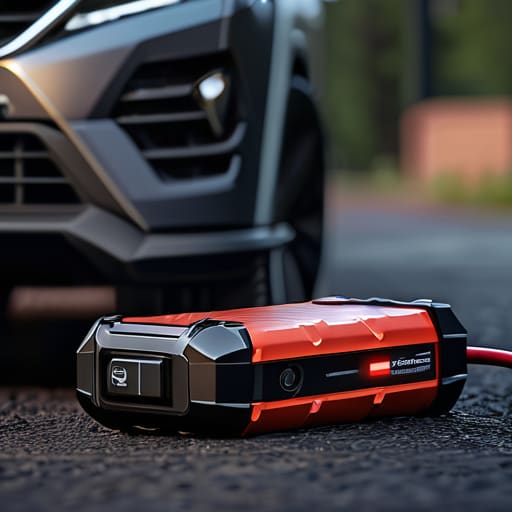
I was standing in my driveway last Tuesday, staring at my old Silvia, feeling that familiar, hollow click-click-click of a dead battery. It’s that sinking feeling in your gut when you’re already running late and you realize you’re stranded. Most people think they need to call a tow truck or wait around for some Good Samaritan to show up with heavy, old-school jumper cables, but that’s just wasting your time and money. Honestly, if you aren’t carrying a decent portable jump starter in your trunk, you’re basically just asking for a bad day.
Look, I’m not here to sell you some overpriced gadget with a thousand useless features you’ll never touch. I’ve spent enough time under hoods to know what actually works when you’re stuck in the cold. I’m going to break down exactly what you need to look for so you can stop feeling helpless when your car refuses to turn over. No fluff, no marketing hype—just the straight truth on how to pick a tool that actually does its job so you can get back on the road without the headache.
Table of Contents
- Understanding Capacity and Peak Current Explained Without the Fluff
- The Real Lithium Ion Jump Starter Benefits You Need to Know
- 5 Things I Wish I Knew Before My First Jump Start
- The Bottom Line: What to Look For Before You Buy
- ## The Truth About Getting Stranded
- Don't Get Caught Stranded
- Frequently Asked Questions
Understanding Capacity and Peak Current Explained Without the Fluff
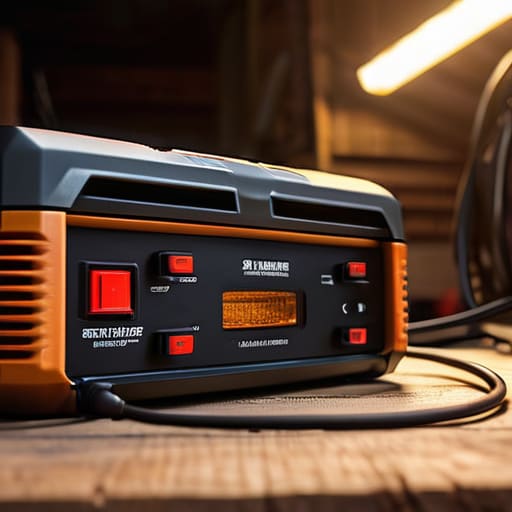
Look, when you’re staring at a spec sheet, the numbers can get pretty overwhelming, but you really only need to care about two things: capacity and peak current. Think of capacity like the size of your gas tank; it tells you how many times you can jump a car before the unit itself needs a recharge. If you’re looking for the best jump starter for a dead car battery that you can rely on for a whole weekend of tinkering, you want a higher mAh rating.
Peak current, on the other hand, is the raw muscle. It’s the burst of power that actually turns the engine over. If you’ve got a massive V8 truck, a tiny unit with high capacity but low peak current is just going to sit there humming while your engine stays dead. You need that massive surge to fight through the resistance of a cold starter motor. Understanding capacity and peak current explained simply like this keeps you from buying a glorified flashlight that lacks the oomph to actually do the job when you’re stranded in a parking lot.
The Real Lithium Ion Jump Starter Benefits You Need to Know
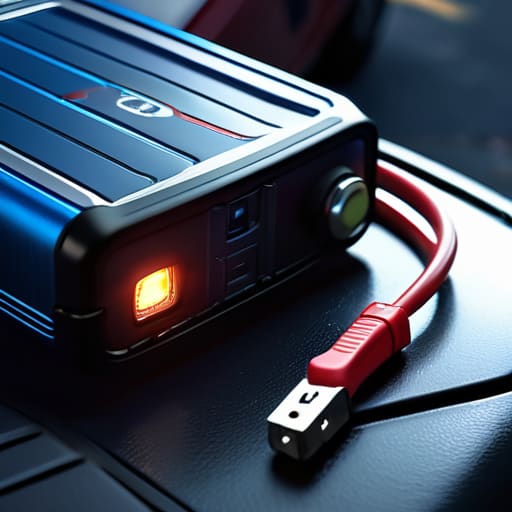
Look, I’ve spent way too many nights hunched over a fender in the cold, wrestling with those old-school, heavy lead-acid packs. They’re massive, they leak, and honestly, they’re a pain to store. Switching to a lithium ion jump starter is probably the single best upgrade you can make for your emergency kit. These things are tiny—you can toss one in your glovebox or even a backpack—but they pack a serious punch. The main lithium ion jump starter benefits come down to weight and readiness; they hold their charge way longer than the old bricks, so when you actually need it, it’s actually there.
Beyond just being lightweight, these portable units are way smarter. Most modern ones have built-in protection so you don’t accidentally fry your car’s sensitive ECU while trying to get moving. If you’re looking for the best jump starter for dead car battery situations, you want something that feels solid but doesn’t weigh twenty pounds. It’s about having a reliable emergency car battery booster that’s ready to go the second you turn the key and hear nothing but a click.
5 Things I Wish I Knew Before My First Jump Start
- Check your cables every few months. I’ve seen way too many people get stranded because the clamps were corroded or the wires had tiny cracks in the insulation. If they look sketchy, toss ’em.
- Don’t just look at the price tag. Some of those cheap-ass units from random sites claim huge numbers but die the second they hit a cold engine. Buy something from a brand that actually tests their peak amps in real conditions.
- Keep your jump starter charged, not just in your garage. If you leave it in your trunk for six months without checking it, don’t be surprised when it’s a paperweight the moment you actually need it.
- Learn the “clamping order” before you’re panicking in a dark parking lot. Positive to positive, negative to a good metal ground on the engine block. Doing it out of order is a fast way to fry your car’s ECU, and that’s an expensive mistake.
- Match the power to your engine size. If you’re driving a massive V8 truck, that tiny little pocket-sized power bank isn’t going to do squat. You need enough cranking amps to actually turn that heavy steel over.
The Bottom Line: What to Look For Before You Buy
Don’t get blinded by the marketing; focus on the peak current and mAh rating to make sure the unit actually has enough juice to turn your engine over.
Go with lithium-ion if you can afford it—they’re way lighter to toss in your glovebox and won’t leak acid all over your gear like those old lead-acid bricks.
Always double-check that the jump starter matches your vehicle’s needs, because a tiny unit meant for a scooter isn’t going to do squat for a heavy-duty truck.
## The Truth About Getting Stranded
Look, there is nothing worse than being stuck in a dark parking lot at 11 PM because your battery decided to quit on you. Don’t rely on some stranger with jumper cables and a prayer; get a decent lithium pack in your trunk so you can fix the problem yourself and get home.
Nikolai·Osterman
Don't Get Caught Stranded
Look, we’ve covered a lot of ground here, but if you remember nothing else, remember this: don’t just buy the cheapest brick you see on a random website. You need to look at the peak current to ensure it can actually turn over your specific engine, and you should almost always go with lithium-ion if you want something that won’t die on you in the trunk for six months. A jump starter isn’t just another gadget; it’s your insurance policy against a bad morning. Whether you’re dealing with a cold snap or just a forgotten interior light, having the right capacity means the difference between a quick fix and a very expensive tow truck bill.
At the end of the day, my goal isn’t to turn you into a master mechanic, but I want you to feel like you’ve got a handle on your own ride. There is a certain kind of peace of mind that comes with knowing you aren’t completely helpless when something goes wrong under the hood. Grab a decent unit, toss it in your glovebox, and get back to enjoying the drive. You don’t need a shop full of specialized equipment to stay mobile; you just need the right tool and the guts to use it. Keep your tools ready, and you’ll keep your freedom.
Frequently Asked Questions
Can I actually use a small lithium jump starter on a big V8 truck, or am I going to fry something?
Look, I get why you’re worried about frying something, but you’re not going to blow up your ECU just by connecting it. The real risk isn’t electrical damage; it’s just that the little guy might tap out. If you’ve got a massive V8 with a heavy-duty starter, a tiny lithium pack might struggle to turn that engine over, or it’ll drain itself instantly. Check the peak amps first. If the pack is rated high enough, you’re good to go.
How often do I need to charge these things so they aren't dead when I actually need them?
Look, there’s nothing worse than grabbing your jump starter in a rainstorm only to realize it’s a paperweight. Most lithium units hold a charge pretty well, but don’t get lazy. I check mine every three months like clockwork. If you leave it in a freezing garage or a scorching trunk, it’ll drain faster. My rule of thumb? Check the indicator every season. If it’s below 80%, plug it in. Don’t wait for the emergency to find out.
Is it safe to jump-start a car with a lithium pack if the engine is already running?
Look, I get why you’re asking—it feels like you’re adding too much juice to the system. Honestly? Don’t do it. If the engine is already running, your alternator is already doing the heavy lifting. Connecting a lithium pack while the car’s live can cause a massive voltage spike that might fry your car’s sensitive sensors or even wreck the jump starter itself. Just wait until the engine’s off. Better safe than replacing an ECU.
