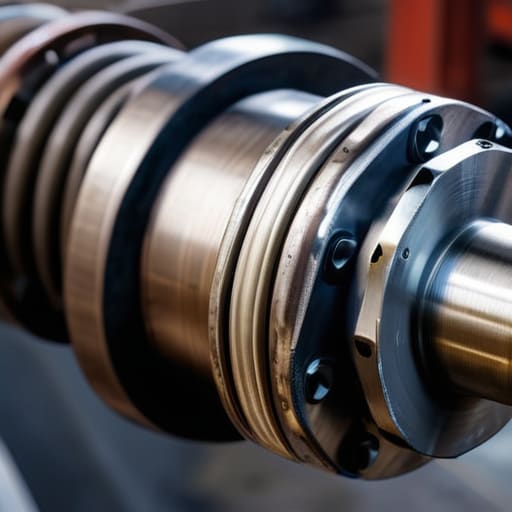
I was elbow-deep in a rusted-out suspension job last Tuesday, swearing at a bolt that felt like it had been welded into place by the gods themselves. My knuckles were raw, my back was screaming, and I was about five seconds away from just giving up and calling a shop to charge me three hours of labor to fix a single fastener. That’s the moment you realize that brute force is a lie; you don’t need more muscle, you just need a torque multiplier to do the heavy lifting while you stay sane.
Look, I’m not here to sell you some overpriced, shiny tool that’s going to sit in your toolbox gathering dust. I’ve spent enough time in grease-stained hoodies to know what actually works when you’re stuck under a chassis. I’m going to show you exactly how to use a torque multiplier without snapping heads off or stripping threads, based on actual sweat and mistakes I’ve made in the garage. No fluff, no textbook nonsense—just the straight truth on how to get those stubborn bolts moving so you can get back to your project.
Table of Contents
- Mastering the Planetary Gear System Torque Without the Sweat
- Mechanical Advantage in Hand Tools Your New Secret Weapon
- 5 Pro Tips to Keep You from Wrecking Your Tools (or Your Hands)
- The Bottom Line: Why You Need One in Your Box
- ## The Real Difference Between a Job Done and a Job Broken
- Don't Fight the Bolt, Outsmart It
- Frequently Asked Questions
Mastering the Planetary Gear System Torque Without the Sweat
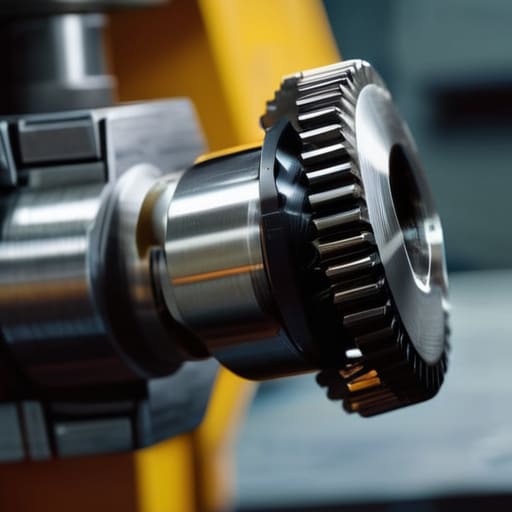
When you’re dealing with something like a planetary gear system torque requirement, you quickly realize that brute force is your worst enemy. I’ve seen guys try to muscle through heavy-duty assemblies with a long breaker bar, only to end up stripping the head or, worse, snapping the bolt entirely. That’s when you need to lean into the mechanical advantage in hand tools. Instead of using your body weight to fight the resistance, you let the internal gearing do the heavy lifting. It turns a task that usually requires a full-body heave into something you can manage with just a steady, controlled motion of your arm.
The real trick is understanding how the torque multiplication ratio explained in your tool’s manual actually translates to your hands. If you’re using a 4:1 ratio, a relatively light 50 ft-lbs of input suddenly feels like 200 ft-lbs at the fastener. It’s not just about saving your shoulders, though; it’s about precision and consistency. When you’re working in tight engine bays or on heavy machinery where space is a luxury, having that controlled output ensures you aren’t over-torquing things by accident just because you lost your footing.
Mechanical Advantage in Hand Tools Your New Secret Weapon
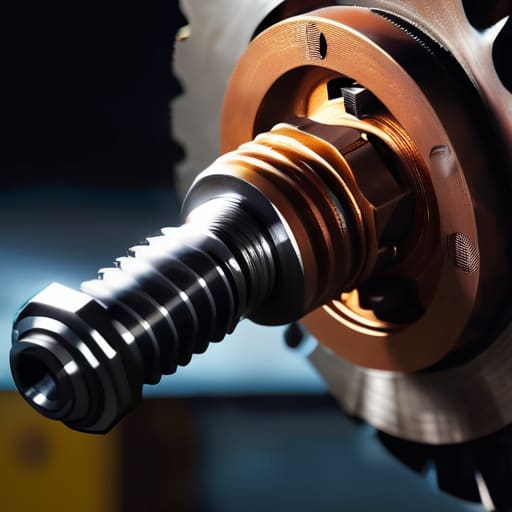
Look, I’ve spent plenty of late nights in the shop wrestling with bolts that felt like they were welded on by the gods themselves. You can have all the muscle in the world, but sometimes physics just wins. That’s where the concept of mechanical advantage in hand tools actually becomes your best friend. Instead of you trying to heave a massive breaker bar and risking a slipped wrench or a torn rotator cuff, you’re using a device that re-routes that energy through a series of gears. It’s essentially a cheat code for anyone working on heavy-duty suspension components or seized chassis bolts.
When you’re looking at the numbers, the torque multiplication ratio explained is pretty straightforward: if you have a 4:1 ratio, every single pound of force you apply to the handle turns into four pounds of force at the bolt. It’s not about being stronger; it’s about being smarter. Whether you’re comparing a manual torque multiplier vs pneumatic setups, the manual version gives you that tactile, precise control that’s hard to get with an air tool. It’s the difference between guessing if a bolt is tight and actually knowing it’s seated right.
5 Pro Tips to Keep You from Wrecking Your Tools (or Your Hands)
- Always check your input ratio before you start cranking. If you’re using a 4:1 multiplier and you apply 50 ft-lbs of force with a breaker bar, you’re actually putting 200 ft-lbs on that bolt. Don’t accidentally snap a head off a bolt because you forgot the math.
- Keep the input tool straight. If you’re pulling at an angle or wobbling the breaker bar, you’re going to lose a ton of that mechanical advantage and, worse, you might strip the internal gears of the multiplier. It needs to be a clean, straight pull every single time.
- Don’t forget to grease the input shaft. I’ve seen guys struggle with a multiplier that feels “sticky,” and usually, it’s just because they didn’t put a little bit of high-pressure grease on the connection point. A little lube goes a long way in making the tool feel smooth.
- Secure your workspace. When you’re using a multiplier, you’re generating a massive amount of force, which means that tool wants to move. If you aren’t braced properly or if the part you’re working on isn’t clamped down, you’re going to end up slipping and bruising a knuckle.
- Use the right breaker bar for the job. Don’t try to use a tiny, flimsy ratchet as your input tool. You need a solid, heavy-duty breaker bar that can handle the leverage without bending. If your input tool flexes, your torque reading is basically a lie.
The Bottom Line: Why You Need One in Your Box
Stop treating your body like a pry bar; use a multiplier to save your joints and prevent injury when you’re dealing with massive, seized-up bolts.
It’s not just about brute force, it’s about precision—using the right gear lets you apply massive torque without the risk of snapping a fastener or losing control.
Don’t let a mechanic charge you an extra hour of labor just because a bolt is stuck; having this tool means you can handle the heavy-duty stuff yourself.
## The Real Difference Between a Job Done and a Job Broken
Look, you can spend an hour wrestling with a seized bolt until your knuckles are bleeding and your back is screaming, or you can just grab a torque multiplier and let physics do the heavy lifting. It’s not about being lazy; it’s about being smart enough to know when a tool is more reliable than your own raw strength.
Nikolai·Osterman
Don't Fight the Bolt, Outsmart It
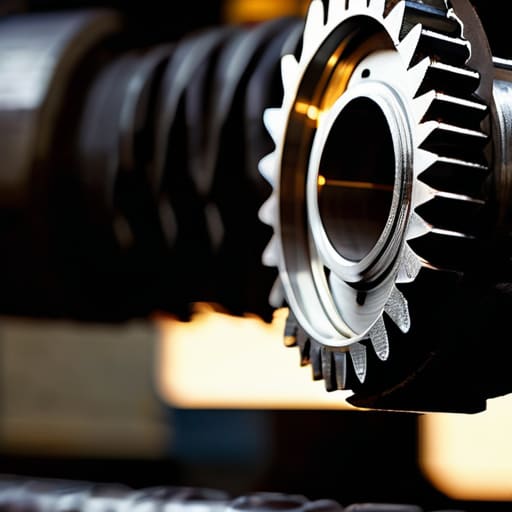
Look, at the end of the day, a torque multiplier isn’t just some fancy gadget to show off in the garage; it’s a tool that respects your time and your joints. We’ve covered how the planetary gear system turns a struggle into a smooth rotation and how that mechanical advantage basically gives you superhuman leverage without the risk of snapping a bolt or blowing out your shoulder. Whether you’re dealing with a seized suspension component or just trying to hit a massive spec on a heavy-duty flange, having this in your kit means you’re working smarter, not harder. Don’t let a single stubborn fastener be the reason you end up calling a tow truck or paying a shop triple the price for a “specialty” job.
My dad always told me that the best mechanics aren’t the ones with the biggest muscles, but the ones who understand how the physics of the tool works. You don’t need to be a master engineer to take control of your own repairs, you just need to be willing to learn the right way to do things. Grab the right gear, keep your cool, and remember that every tough job is just a puzzle waiting for the right solution. You’ve got this, so get back under the hood and show that machine who’s actually in charge.
Frequently Asked Questions
Can I use a torque multiplier on my impact wrench, or is it strictly for hand tools?
Look, I’ve seen guys try to rig this up, but honestly? Don’t do it. Most torque multipliers are designed for manual, controlled input—think long breaker bars or ratchets. If you slap one on an impact wrench, you’re asking for a disaster. The sudden, violent bursts of an impact tool can shred the internal planetary gears of the multiplier or, worse, snap a bolt clean off. Stick to hand tools for the multiplier; keep the impact for the speed.
Is there a risk of snapping a bolt if I'm using a multiplier on a really rusted-out fastener?
Look, I’m gonna be real with you: yeah, there’s a massive risk there. If that bolt is rusted solid, a multiplier is basically a force multiplier for disaster, too. You’re applying so much leverage that you won’t even feel the bolt snap until it’s too late. If it’s crusty, don’t just go ham. Hit it with some penetrating oil, let it soak, or maybe use a bit of heat first. Don’t let your ego snap a stud.
How do I know which multiplier to grab if I'm working on something heavy like suspension bolts versus smaller engine components?
Look, don’t just grab the first one you see. For heavy-duty stuff like suspension bolts or lug nuts, you need a high-ratio multiplier—something that can handle massive input torque without the internal gears stripping. For smaller engine components, a high-ratio tool is overkill and actually risky because you might snap a bolt. Stick to a lower-ratio version there. Basically, match the tool’s capacity to the scale of the job so you don’t end up breaking more than you fix.
