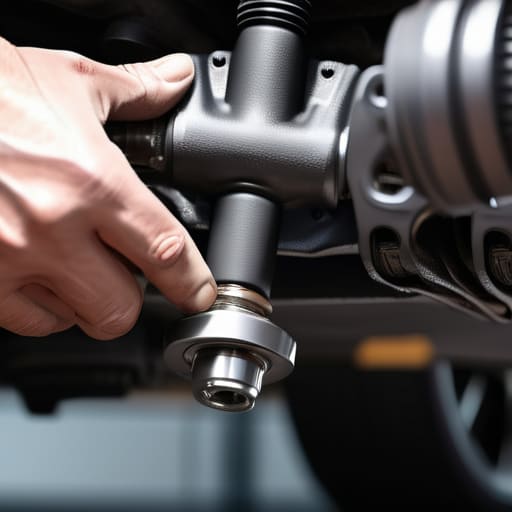
I remember one Saturday back when I was just a kid in my dad’s garage, watching him struggle with a customer’s sedan that had a “mysterious” vibration in the wheel. The shop owner had already quoted the guy a fortune for a full front-end overhaul, but when we finally got it up on the lift, it was just a single, worn-out tie rod end. That’s when I realized how much money people bleed just because they don’t know how to perform a basic steering linkage inspection themselves. Most mechanics will try to sell you a whole new rack and pinion when all you really need is a new bushing and twenty minutes of your time.
I’m not here to give you some textbook lecture or throw a bunch of jargon at you that you’ll just have to Google later. My goal is to show you exactly what to look for with a simple flashlight and a pry bar so you can spot the trouble before it turns into a breakdown. I’ll walk you through the real-world signs of wear and tear, giving you the straight truth about what’s actually broken and what’s just making noise.
Table of Contents
- Spotting the Worn Tie Rod Symptoms Before They Fail
- Checking for Steering Looseness With Just Your Hands
- 5 Quick Ways to Tell if Your Linkage is Toast
- The Bottom Line on Keeping Your Steering Tight
- The Truth About Steering Safety
- Don't Wait Until You're Stuck on the Shoulder
- Frequently Asked Questions
Spotting the Worn Tie Rod Symptoms Before They Fail
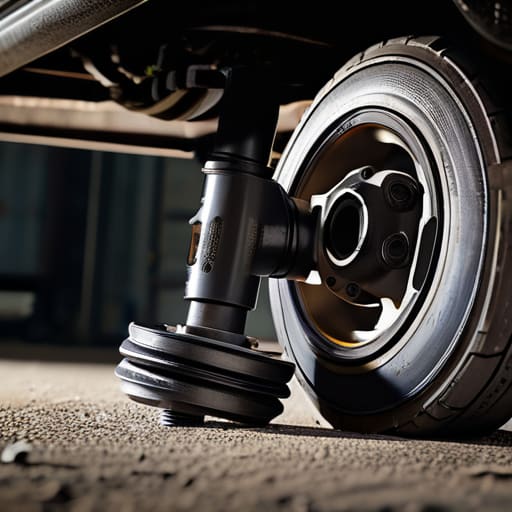
If you’re starting to feel like your car is fighting you every time you hit a curve, pay attention. One of the most common worn tie rod symptoms is a sensation of “play” in the wheel. If you’re cruising down a straight road and feel like you’re constantly making tiny, micro-corrections just to stay in your lane, your tie rods are likely shot. It usually feels like there’s a vague, disconnected sensation between your hands and the actual tires.
Another huge red flag is hearing a distinct clunking or popping sound whenever you turn the wheel or hit a pothole. That’s not just “an old car making noise”—it’s often the sound of metal hitting metal because the joints have lost their lubrication or structural integrity. You might also notice uneven tire wear, specifically on the inside or outside edges. These wheel alignment issues are a direct result of the parts that are supposed to hold your wheels steady failing to do their job. Catching these signs early means you’re just replacing a part, rather than dealing with a total steering failure on the highway.
Checking for Steering Looseness With Just Your Hands
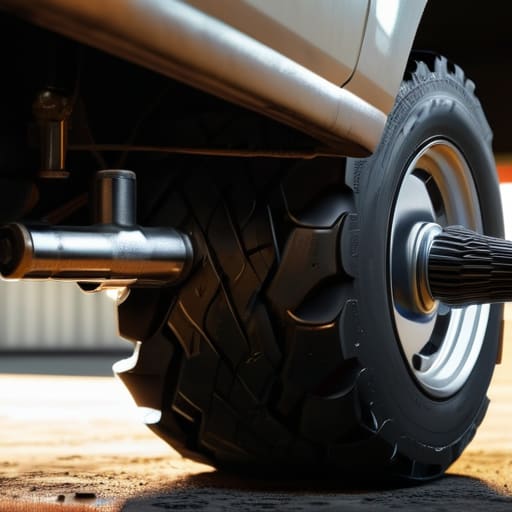
Alright, let’s get practical. You don’t need a fancy diagnostic scanner to start checking for steering looseness; sometimes, your hands are the best tools you’ve got. First, jack up the car and secure it on jack stands—never work under a car held up only by a hydraulic jack, seriously. Once you’re set, grab the tire at the 3 o’clock and 9 o’clock positions. Give it a firm shake back and forth, like you’re trying to wiggle it off the hub. If you feel a distinct clunking or clicking sensation, you’re likely looking at worn tie rod ends or issues within the steering rack components.
If the wheel feels solid at those points, move your hands to the 12 and 6 o’clock positions. This helps you rule out ball joints or wheel bearings, which can sometimes mimic the feel of steering issues. A lot of people mistake these for general wheel alignment issues, but if there’s actual physical play in the assembly, no amount of alignment will fix it. You’ve got to replace the part first. It’s all about feeling that unwanted movement before it turns into a total failure on the highway.
5 Quick Ways to Tell if Your Linkage is Toast
- Grab a flashlight and hunt for leaks. If you see any wetness or grease around the boots of your tie rods or ball joints, that’s a huge red flag. It means the seal is blown, and once the grease is out, grit gets in, and you’re looking at a total replacement very soon.
- Give the boots a squeeze. While you’re under there, check the rubber bellows (the boots) for cracks or tears. If the rubber feels brittle or has visible splits, don’t wait. A torn boot is basically an open invitation for dirt to chew up your expensive metal joints.
- Look for the “play” in the joints. If you can wiggle a tie rod end up and down or side to side with your hands while the car is jacked up, it’s shot. There should be zero movement there; if it’s loose, your alignment is going to be a nightmare.
- Check your ball joints for excessive vertical movement. Use a pry bar if you have one—it makes it way easier to see if the joint is actually seated tight or if it’s got way too much travel. If it feels like there’s a gap or a “pop,” that’s your sign to head to the shop.
- Watch your tire tread for “feathering.” If you notice the tread looks uneven or feels smooth in one direction but sharp in the other, your steering linkage is likely failing to hold your alignment. It’s a slow way to kill a set of tires, so catch it early.
The Bottom Line on Keeping Your Steering Tight
Don’t ignore that weird vibration or wandering feeling in the wheel; your tie rods are usually trying to tell you something before they actually snap.
You don’t need a fancy diagnostic machine to find play in your steering—just a solid flashlight and a bit of manual checking can catch a loose link early.
Catching a worn component now means a quick, cheap part replacement instead of a massive repair bill and a dangerous situation on the highway.
The Truth About Steering Safety
“A shop might try to tell you that a little play in the steering is just ‘character,’ but I’m telling you, if you can feel that wobble in your hands, your linkage is already waving a white flag. Don’t wait for a bolt to snap on the highway just to save a few bucks on a quick inspection.”
Nikolai·Osterman
Don't Wait Until You're Stuck on the Shoulder
Look, at the end of the day, keeping your steering tight isn’t some high-level engineering mystery. We’ve covered how to listen for those annoying clunks, how to spot uneven tire wear, and how to feel for that nasty play in your tie rods just by giving them a good shake. If you’ve noticed your car wandering across the lane or feeling a bit “mushy” when you turn, don’t just turn up the radio and hope it goes away. Taking ten minutes to actually look under the wheel well can be the difference between a quick part swap and a total steering failure while you’re cruising down the highway.
I know it can feel intimidating when you’re staring at a mess of metal and grease, but don’t let that stop you. You don’t need a master technician’s certification to be proactive about your own safety. Most of the time, it’s just about being observant and having a bit of patience. Once you get the hang of these basic checks, you’ll start to feel way more confident every time you get behind the wheel. Trust me, there is nothing better than the peace of mind that comes from knowing your car is actually solid because you took the time to check it yourself.
Frequently Asked Questions
If I find a little bit of play in the tie rod, do I need to replace it immediately or can it wait a few months?
Look, I’m not going to tell you it’s fine, but I’m also not going to freak you out. If it’s just a tiny bit of movement, you probably have a little breathing room, but don’t get comfortable. Tie rods don’t “heal”—they just keep getting worse until they snap or eat your tires alive. If you can feel it through the steering wheel, get it fixed now. Don’t gamble your safety to save a few bucks.
How can I tell the difference between a bad tie rod and a worn-out wheel bearing?
It’s a common headache because they both cause noise, but here’s the trick: listen to the sound. A bad tie rod usually makes a clunking or clicking noise when you hit bumps or turn the wheel. A worn wheel bearing, though? That’s a constant, low-pitched hum or growl that gets louder as you speed up. If the sound changes when you sway the car side-to-side, it’s almost definitely that bearing.
Is it worth trying to grease the joints myself, or is that just a temporary band-aid for a part that's already shot?
Look, if you’ve got greaseable joints, hitting them with a grease gun is great maintenance—it keeps the grit out and extends the life of the part. But if you’re already feeling that clunk or seeing play in the wheel, greasing it is just a band-aid. Once the internal seal is blown and the metal’s grinding, no amount of grease is going to fix that. If it’s loose, just swap the part.
