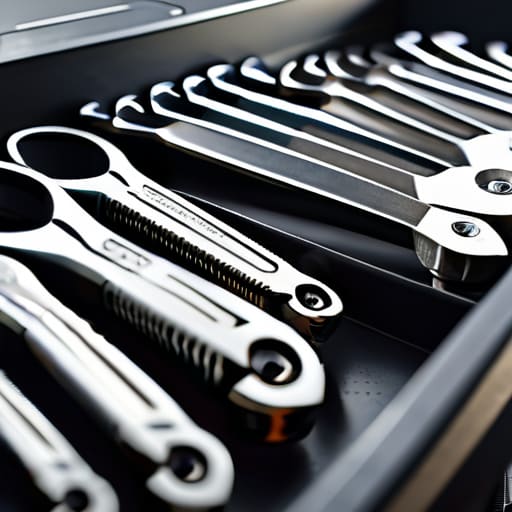
I still remember the first time I tried to swap a water pump on my old Civic. I was sweating, covered in coolant, and staring at a bolt that refused to budge because I was trying to use a cheap, flimsy wrench set I’d picked up at a big-box discount store. That moment—the sound of a metal head rounding off a bolt and the sinking feeling in my gut—is exactly why I hate how the industry tries to sell you on “professional grade” kits that cost a month’s rent. You don’t need a $500 tool chest to do basic maintenance; you just need to stop wasting money on junk that fails when you actually need it.
I’m not here to sell you on some flashy, over-engineered brand name that looks good on a social media feed. My goal is to cut through the marketing noise and tell you which tools actually survive a real day in a greasy garage. I’ll show you exactly what to look for in a solid wrench set so you can stop getting ripped off and start fixing things your way.
Table of Contents
- The Real Truth About Metric vs Sae Wrench Sets
- Why Socket Wrench Advantages Change Everything Under the Hood
- Don't Waste Your Cash: 5 Rules for Picking Your Wrench Set
- The Bottom Line Before You Start Wrenching
- The Truth About Your Toolbox
- Stop Overthinking It and Just Start Turning Bolts
- Frequently Asked Questions
The Real Truth About Metric vs Sae Wrench Sets
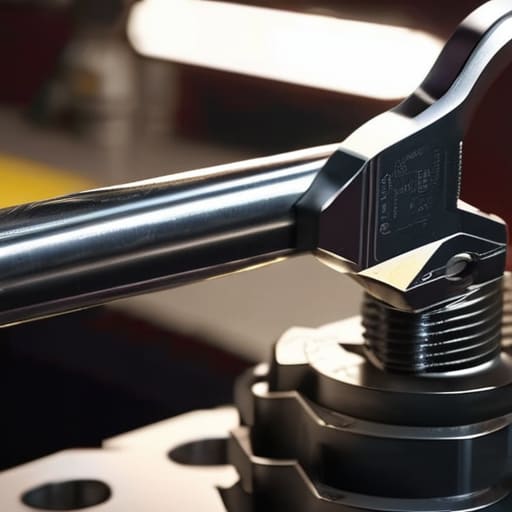
Look, I’ve seen guys spend way too much money on massive, expensive kits only to realize they’re missing the one specific size they actually need. When you’re staring at a bolt, the biggest debate you’re going to run into is metric vs sae wrench sets. If you’re working on anything modern—especially the Japanese tuners I spend my weekends messing with—you’re going to be living in a metric world. Most imports and newer domestic cars use millimeters almost exclusively. If you try to force a fractional SAE wrench onto a 13mm nut, you aren’t just being “close enough”; you’re going to round off that bolt head and turn a ten-minute job into a nightmare.
That said, don’t go tossing your SAE tools in the scrap bin just yet. If you’re digging through an older American classic or an old truck, those imperial sizes are still king. The trick isn’t choosing one or the other; it’s about building your automotive tool kits with intention. I usually tell people to start with a solid metric set first, then grab a small SAE kit for those older projects. It’s about having the right fit so you don’t strip anything.
Why Socket Wrench Advantages Change Everything Under the Hood
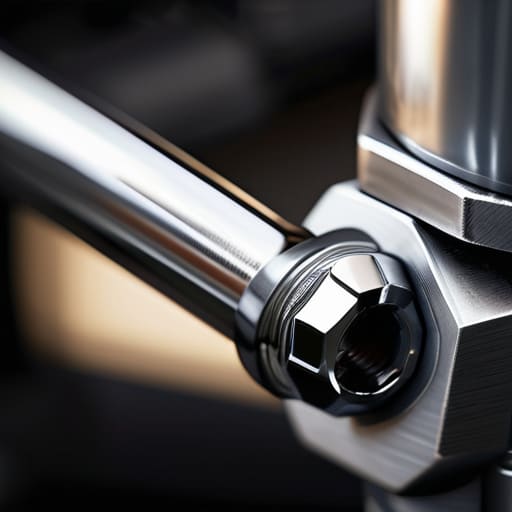
Look, I’ve spent enough hours hunched over engine bays to know that sometimes a standard open-end wrench just isn’t going to cut it. There are moments when you’re working in a tight spot—like trying to reach a bolt tucked behind the intake manifold—where you physically can’t get enough leverage to turn a traditional tool. That’s where the socket wrench advantages really kick in. Because the socket grips all sides of the fastener, you aren’t just fighting the bolt; you’re actually getting a solid connection that prevents you from rounding off those expensive edges.
If you’re building out your own automotive tool kits, don’t skip the ratchet and socket combo. It’s a total game-changer for speed. Instead of lifting the wrench off the bolt every single time you move a fraction of an inch, you just click through the arc. It saves your wrists from getting trashed and keeps you from losing your patience when a job starts taking longer than expected. Honestly, once you get used to the efficiency, going back to just using combination wrench types feels like a massive step backward.
Don't Waste Your Cash: 5 Rules for Picking Your Wrench Set
- Stop buying those cheap, massive 200-piece kits from the big-box stores. Most of those tools are soft metal that’ll round off your bolt heads the second you apply any real torque. Get a smaller, decent-quality set instead; you’re better off with ten tools that actually work than a hundred that strip everything they touch.
- Go for combination wrenches if you’re on a budget. Having the open end for quick access and the box end for when things get tight is the best way to cover your bases without spending a fortune. I’ve seen guys try to use just one side for everything, and it’s a recipe for a broken bolt and a bad afternoon.
- Don’t sleep on long-handled wrenches. When you’re dealing with a rusted-on bolt on an old chassis, you need the leverage. A longer handle gives you that extra bit of mechanical advantage so you aren’t fighting the metal with just your grip strength.
- Keep your wrenches clean and dry, seriously. I know, it sounds like something my dad would nag me about, but if you toss a greasy wrench back into a damp toolbox, you’re asking for rust. Rust makes the tool slip, and a slipping tool ruins your knuckles and your bolts.
- Buy in sets, not individual pieces—at least for the basics. It’s way easier to keep track of a graduated set than it is to hunt down a single 12mm every time you start a job. Just make sure the set actually covers the range you’ll use most, which for me is almost always metric.
The Bottom Line Before You Start Wrenching
Don’t waste your money on those massive, 500-piece “all-in-one” kits; focus on getting a high-quality metric set first, since that’s what most modern engines actually use.
Sockets aren’t just a luxury—if you’re working in tight engine bays or trying to avoid stripping a bolt head, a good ratchet and socket set will save you more frustration than any other tool.
Invest in quality over quantity; a cheap wrench that slips and rounds off a bolt is going to turn a ten-minute fix into a three-hour nightmare you’ll definitely regret.
The Truth About Your Toolbox
Look, I’ve seen plenty of guys waste hundreds of bucks on those flashy, fifty-piece kits that come in a plastic case, only to realize they’re missing the one specific wrench they actually need when they’re elbow-deep in an engine bay. Don’t buy for the shine; buy for the grip and the steel, because a cheap wrench that rounds off a bolt is just a fast way to turn a twenty-minute job into a weekend nightmare.
Nikolai·Osterman
Stop Overthinking It and Just Start Turning Bolts
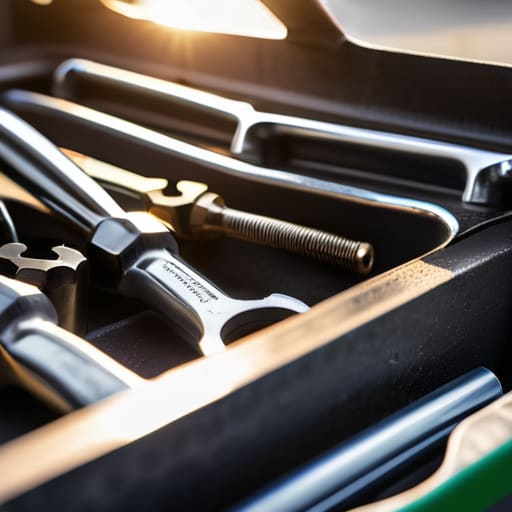
Look, at the end of the day, you don’t need a massive, professional-grade rolling chest to start working on your own ride. We’ve covered why you need to know the difference between metric and SAE so you don’t end up stripping a bolt, and why a solid socket set is going to be your best friend when space gets tight in that engine bay. It’s all about having the right tool for the specific job so you aren’t fighting the car more than you’re actually fixing it. Grab a decent set of wrenches, keep your bolts organized in a tray, and you’re already ahead of half the people paying way too much at the dealership for things you could have done in your own driveway.
I know it can feel intimidating when you first pop the hood and see a mess of wires and metal, but don’t let that stop you. Every master tech I know started out exactly where you are—probably covered in grease and feeling a bit lost. The most important thing isn’t having the fanciest tools on the market; it’s having the patience to figure it out one bolt at a time. Once you get that first successful repair under your belt, everything changes. You stop being a passenger in your own life and start actually understanding the machine you drive every day. Now, get out there and get your hands dirty.
Frequently Asked Questions
Do I really need to buy a massive 100-piece set, or can I just start with a few basics?
Look, save your money. Those massive 100-piece sets are mostly filler—you’ll end up with twenty tiny sockets you’ll never touch and a lot of plastic casing that breaks in a month. Start with a solid set of combination wrenches and a decent ratchet. You can always add more as you realize what’s missing while you’re halfway through a job. Build your kit piece by piece; it’s smarter and way cheaper.
How can I tell if a wrench is high-quality or just cheap metal that's going to strip my bolts?
Look, don’t just grab the first thing you see in a bargain bin. First, check the weight—cheap stuff feels hollow and light. Real, high-quality wrenches have some heft to them. Then, look at the finish; if it’s pitted or uneven, run. Most importantly, grab one and try to flex it slightly. If it feels springy or gives way, it’s garbage. You want hardened chrome vanadium that feels like it’s part of your hand.
Is it worth spending the extra cash on a ratcheting wrench set, or are standard ones better for tight spots?
Look, if you’re working on an old, wide-open engine bay, standard wrenches are fine. But the second you’re reaching into a tight spot near a firewall or a strut tower, you’re gonna hate yourself without ratcheting ones. Honestly? They’re worth every cent. They save you from the constant headache of repositioning your hand every two seconds. If you can afford them, get the ratcheting set—it’ll save your knuckles and a ton of frustration.
