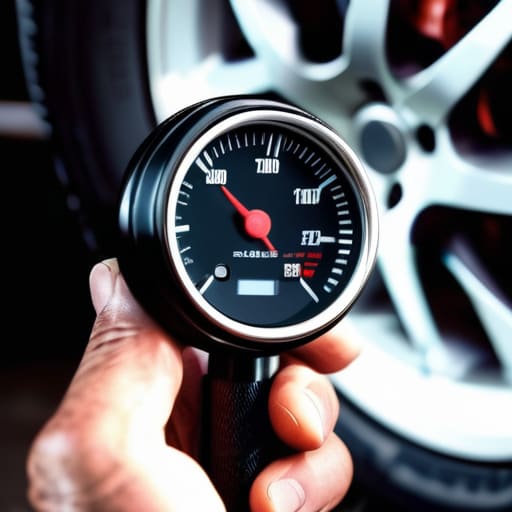
I remember being ten years old, sitting on a greasy concrete floor in my dad’s garage, watching him swear at a cheap, plastic stick-style tool that wouldn’t give him a reading to save his life. He was trying to prep an old sedan for a long trip, and we wasted twenty minutes just fighting with a piece of junk that was completely useless. It’s the same thing I see now at the shop: people think they need some high-tech, computerized sensor system to know if their rubber is healthy, but honestly, most of that is just expensive noise. All you really need is a reliable tire pressure gauge that actually tells you the truth before you hit the highway.
Look, I’m not here to sell you on some overpriced gadget that requires a PhD to operate. My goal is to cut through the marketing BS and show you exactly what to look for so you don’t get ripped off at the service station. I’ll walk you through the different types—from the old-school analog ones to the digital ones that actually work—and help you pick a tool that’ll last longer than your next car. Let’s get your pressure right and stop wasting money on guesswork.
Table of Contents
Digital vs Analog Tire Gauges Choosing Your Best Tool
Digital vs Analog Tire Gauges: Choosing Your Best Tool
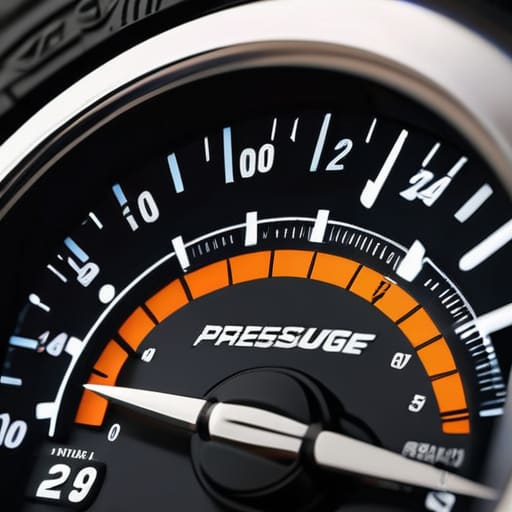
I get asked about digital vs analog tire gauges all the time, especially when someone’s just starting to build out their basic kit. Honestly, it comes down to what you value more: convenience or reliability. Digital ones are great because they do the heavy lifting for you—you just press a button and get a crisp reading on a screen. They’re perfect for quick checks in the driveway, but if you’re a bit hard on your tools or work in a dusty garage like I do, those sensitive sensors can eventually glitch out.
Analog gauges, on the other hand, are the old-school workhorses. They don’t rely on batteries, so they’re always ready to go when you’re out on a road trip. They can be a little harder to read if the needle is tiny, but they’re tougher in the long run. If you’re serious about checking tire inflation levels regularly, I usually tell people to grab a solid analog stick or dial gauge. It’s a simple piece of gear that won’t fail you when the electronics decide to quit.
Checking Tire Inflation Levels Without Getting Overwhelmed
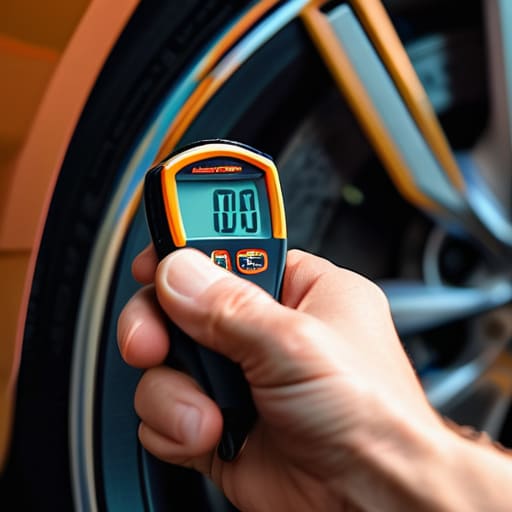
Look, I get it. Opening your owner’s manual and seeing a bunch of numbers and charts can feel like you’re staring at a math exam you didn’t study for. But checking tire inflation levels shouldn’t be some high-stress event. You don’t need to be a pro to get it right; you just need to know where to look. Most people make the mistake of following the number printed on the sidewall of the tire itself, but that’s actually the maximum pressure the tire can handle, not what your specific car actually needs.
To avoid the headache, find that sticker on your driver’s side door jamb—that’s where the manufacturer lists the correct tire psi for vehicles like yours. Once you have that number, it’s a breeze. Just make sure you’re checking them while the tires are “cold,” meaning the car hasn’t been driven for a while. If you go to a gas station right after a long highway haul, the friction heat will throw your readings off, and you’ll end up chasing a number that isn’t actually there. Just stay consistent, and you’ll be fine.
Pro Tips for Getting an Accurate Reading
- Check your pressure when the tires are cold. If you’ve been driving down the highway for an hour, the friction heats up the air inside and gives you a fake high reading. Wait until the car’s been sitting for a few hours so you’re getting the real numbers.
- Don’t just trust the number on your dashboard. Most car sensors are actually measuring temperature, not just PSI, and they can be off by a few pounds. Always grab a handheld gauge to verify what the computer is telling you.
- Make sure you’re getting a solid seal. When you press the gauge onto the valve stem, you should hear a brief hiss, but if it keeps whistling, you aren’t seated right. If you don’t get a tight seal, the air escaping will mess up your measurement entirely.
- Find your “door placard” instead of looking at the tire sidewall. The number printed on the side of your tire is the maximum pressure the tire can hold, not what your car actually needs. Open your driver’s side door and look for the sticker on the frame; that’s your actual target.
- Keep a gauge in your glovebox, not just in your garage. I’ve seen too many people get stuck on the side of the road because they noticed a low tire but didn’t have the tool to check if it was just a minor leak or a total blowout.
The Bottom Line: Don't Let Your Tires Die Slow
Don’t get fancy—whether you go digital or stick to a classic analog stick, the best gauge is the one you actually keep in your glovebox and use regularly.
Check your pressure when your tires are cold; trying to get an accurate reading after a long highway drive is just asking for a false number.
Treat your tire pressure like a routine checkup, not a crisis response; catching a low PSI early saves you from expensive tread wear and potential blowouts.
The Truth About That Cheap Gauge
Look, you can spend fifty bucks on a fancy digital readout if it makes you feel better, but at the end of the day, a solid gauge is just about accuracy and not wasting your time. If you aren’t checking your pressure regularly, you’re basically just waiting for a blowout or a massive repair bill to find you.
Nikolai·Osterman
Don't Leave It to Chance
Look, at the end of the day, whether you decide to go with a rugged analog stick or a quick-read digital gauge, the most important thing is that you actually use it. We’ve covered how to pick the right tool for your kit and the proper way to check your levels without stressing out, so now the ball is in your court. Don’t let a cheap, inaccurate gauge or a “close enough” attitude lead to uneven tread wear or a sudden blowout on the highway. Getting your pressure right is one of the simplest ways to protect your wallet and keep your car feeling tight on the road.
I know it might feel like just another chore on a long list of car maintenance, but trust me, it’s worth the five minutes. I’ve seen too many people get stuck on the side of the road or get hit with a massive repair bill just because they ignored something as basic as tire inflation. You don’t need to be a master technician to take control of your vehicle’s health; you just need to take ownership of the small stuff. Grab a decent gauge, keep it in your glovebox, and stop letting your tires dictate how your drive goes. You’ve got this.
Frequently Asked Questions
How often should I actually be checking my tire pressure if I'm not driving every day?
If your car is mostly sitting in the driveway, you can’t just rely on that “once a month” rule. Air leaks out naturally over time, even if you aren’t moving. Honestly, I’d check them at least once every two weeks. If you’re heading out on a long trip after the car has been parked for a while, grab your gauge and check them immediately. It’s better to spend two minutes checking now than dealing with a flat later.
Is it worth spending more on a high-end digital gauge, or will a cheap analog one do the job just fine?
Look, if you’re just checking your pressure once a month to make sure you aren’t driving on rims, a cheap analog gauge is totally fine. It’s reliable and doesn’t need batteries. But if you’re serious about tuning or you hate squinting at a tiny needle, go digital. The precision is better, and it’s way easier to read. Honestly? Just get something mid-range that won’t break if you drop it in the driveway.
Should I be checking the pressure when the tires are cold, or does it matter if I just finished a long drive?
Always check them when they’re cold. If you’ve just finished a long drive, the friction from the road heats up the air inside, which spikes the pressure reading. It’ll give you a false high, and then you’ll under-inflate your tires when you finally top them off. My rule of thumb? Check them first thing in the morning before you head out, or at least let the car sit for a few hours.
