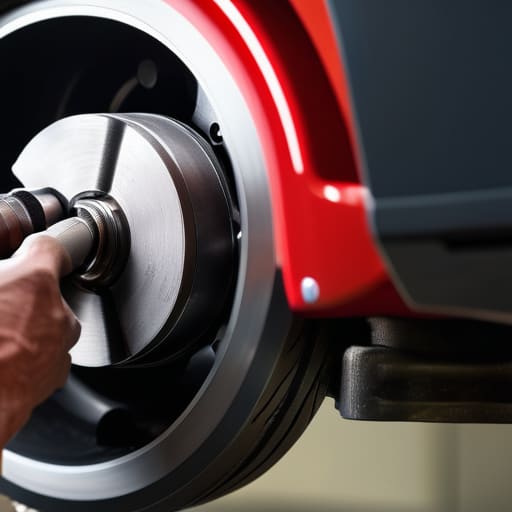
I still remember the first time I tried to change my own pads back in my dad’s garage. I was sweating, covered in road grime, and desperately trying to shove a massive C-clamp into the caliper like it was some kind of brute force puzzle. I ended up scarring the metal and nearly stripping a bolt because I didn’t have the right gear. That’s when I realized that most people get intimidated by brake work not because it’s hard, but because they try to wing it without a proper brake piston compressor. You don’t need to fight your car to get the job done; you just need to stop treating a precision task like a demolition derby.
Look, I’m not here to sell you some overpriced, professional-grade kit that costs more than your monthly grocery bill. I’ve spent enough hours under chassis to know exactly which tools actually work and which ones are just marketing fluff. In this guide, I’m going to show you how to use a brake piston compressor correctly so you can finish your job fast, save a ton of money, and—most importantly—avoid breaking something expensive. Let’s get to work.
Table of Contents
- Why a Brake Caliper Compression Tool Is Your Best Friend
- The Truth About Retracting Brake Pistons Without the Struggle
- Pro Tips to Keep Your Brakes From Becoming a Nightmare
- The Bottom Line on Piston Compression
- The Right Tool Changes Everything
- Bottom Line: Don't Overcomplicate It
- Frequently Asked Questions
Why a Brake Caliper Compression Tool Is Your Best Friend
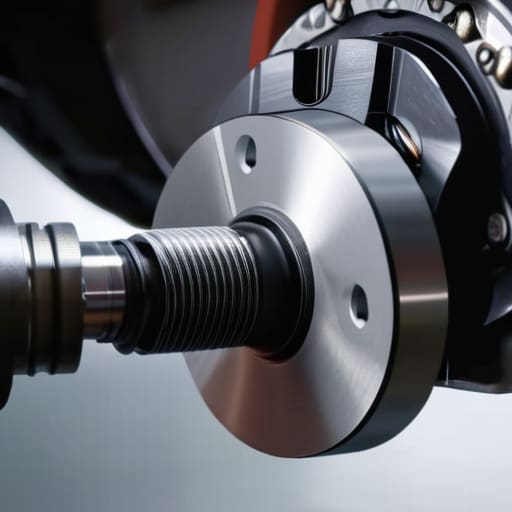
Look, I’ve seen plenty of guys try to get by using an old C-clamp or, even worse, a screwdriver to force a piston back into the housing. It’s a recipe for a bad time. You’re either going to score the surface of the piston or, if you’re lucky, you’ll end up cracking a seal and dealing with a massive brake fluid leak. Using a dedicated brake caliper piston tool takes the guesswork out of it. It applies even, controlled pressure across the entire face of the piston, which is exactly what you want if you’re trying to avoid damaging those sensitive internal seals.
Beyond just preventing damage, having a proper disc brake maintenance kit makes the whole job feel less like a struggle and more like actual work. When you’re retracting brake pistons with the right gear, you aren’t fighting the hardware; you’re just following a process. It saves your hands from cramping up and keeps the job moving so you can get back to whatever else you had planned for the weekend. It’s about working smarter, not harder.
The Truth About Retracting Brake Pistons Without the Struggle
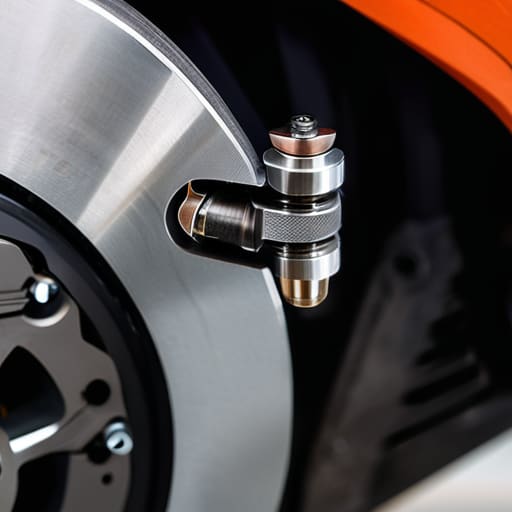
Look, I’ve seen plenty of guys try to get creative when they don’t have the right gear. I once watched a buddy try to use a C-clamp and a piece of scrap wood to force a piston back, and honestly? He was one slip away from cracking a caliper or scoring the piston surface. That’s exactly why you shouldn’t wing it. Retracting brake pistons isn’t about brute force; it’s about even pressure. When you use a dedicated brake caliper piston tool, the force is distributed perfectly across the face of the piston, which keeps everything seated correctly and prevents you from damaging those expensive seals.
If you’re serious about doing this right, you need to realize that modern cars aren’t like the old junkers my dad used to work on. A lot of newer vehicles have electronic parking brakes that actually require a specific sequence to reset. Trying to force them back with a standard clamp can cause a massive headache—and a massive bill. Investing in a decent disc brake maintenance kit ensures you aren’t just guessing. It turns a frustrating, greasy struggle into a quick, predictable job that you can actually finish before your coffee gets cold.
Pro Tips to Keep Your Brakes From Becoming a Nightmare
- Don’t go brute-forcing it with a C-clamp if you can avoid it. I’ve seen guys crack caliper housings because they were using the wrong leverage. A dedicated compressor tool distributes the pressure evenly so you aren’t fighting the hardware.
- Open your brake fluid reservoir cap before you start pushing. When you compress that piston, the fluid has to go somewhere, and if the cap is tight, you’re just building up pressure that can blow a seal or leak out of the overflow.
- Check your brake lines for any signs of weeping or cracks before you even touch the piston. There’s no point in doing a perfect pad swap if your lines are shot and about to fail under the new pressure.
- Make sure your piston is clean before you compress it. If there’s a bunch of grit or rust on the face of the piston, you’re basically just shoving that junk straight past your new seals, which is a fast track to a leaky caliper.
- Always double-check your piston type. If you’re working on a rear brake with an integrated electronic parking brake, a standard compressor might not work—or worse, you could fry the motor. Know your car before you start cranking.
The Bottom Line on Piston Compression
Stop fighting your brakes with a C-clamp or a screwdriver; a dedicated compressor tool saves your knuckles and ensures the piston goes back smoothly without damaging the seals.
Most shops will charge you a premium just to do this, but once you own a basic kit, it’s a five-minute job that pays for itself in a single brake job.
Always make sure your brake lines are clear and your piston moves with steady pressure—if it feels like you’re fighting a brick wall, stop and check for a seized caliper before you force it.
The Right Tool Changes Everything
“I’ve seen guys try to force a piston back with a C-clamp and a prayer, and honestly, it’s just asking for a busted seal or a ruined caliper. You don’t need to fight the hardware; you just need a decent compressor to do the heavy lifting so you can focus on actually getting the job done right.”
Nikolai·Osterman
Bottom Line: Don't Overcomplicate It
Look, at the end of the day, using a brake piston compressor isn’t some high-level engineering feat. We’ve covered why you shouldn’t be fighting with a C-clamp or, even worse, trying to force a piston back with a screwdriver—that’s a quick way to damage your seals and end up with a much more expensive repair bill. Once you have the right tool in your hand, the whole process becomes a matter of controlled pressure rather than brute force. Just remember to check your brake fluid level before you start pushing anything back, because that extra volume can cause your reservoir to overflow. Keep it clean, keep it steady, and you’ll have those new pads seated perfectly without any of the usual headache.
I know it can feel intimidating when you’re staring down a set of heavy-duty calipers for the first time, but honestly, you’ve got this. Most people get ripped off by shops for “complex” jobs that are really just standard maintenance. Every time you pick up a tool and tackle a job yourself, you’re taking back control of your car and your wallet. Don’t let the fear of making a mistake keep you from learning. Grab the compressor, get your hands a little greasy, and start doing the work. Your car—and your bank account—will thank you.
Frequently Asked Questions
Can I just use a C-clamp to push the piston back, or am I asking for trouble?
Look, I get it—you’re in the middle of the job and you see a C-clamp sitting right there. You can use one, but honestly? You’re asking for a headache. A C-clamp applies pressure in one tiny spot, which can tilt the piston or even damage the delicate internal seals. If you want to avoid a costly brake rebuild, just grab a proper compressor. It spreads the force evenly so you aren’t fighting the hardware.
Do I need to retract the piston on all four wheels, or just the ones I'm working on?
Look, you only need to retract the pistons on the wheels you’re actually touching. If you’re just swapping pads on the front, don’t waste your time messing with the rears. However, if you’re doing a full brake job all around, then yeah, you’ll have to compress all four. Just focus on the specific caliper you’ve got pulled apart. Don’t overcomplicate it; just handle what’s in front of you.
Is there a difference between a standard compressor and one of those wind-up spreader tools?
Yeah, there’s a definite difference. A standard compressor is basically just a screw mechanism that pushes the piston back—it’s simple and gets the job done for most daily drivers. Those wind-up spreaders are a bit more specialized; they actually push the brake pads apart to make room for the new, thicker ones. If you’re working on a tight squeeze, the spreader saves you the headache of trying to pry everything apart manually.
