I remember one Saturday morning back in my dad’s garage, staring at an old sedan that was shifting so hard it felt like it was trying to kick me out of the driver’s seat. The shop owner told my dad it was a total transmission rebuild—a quote that would’ve cost more than the car was worth. But after a quick, messy transmission fluid check, we realized the fluid was just burnt to a crisp and low. It wasn’t a mechanical death sentence; it was just neglect. Most shops love to make you think your car is a ticking time bomb just so they can charge you for parts you don’t actually need.
Look, I’m not here to give you some textbook lecture or a manual full of jargon that makes your head spin. I’m going to show you exactly how to perform a transmission fluid check using the same logic I use when I’m under a hood at the shop. I’ll cut through the nonsense and tell you what the color and smell of that fluid actually mean for your wallet. My goal is to make sure you walk away feeling completely confident enough to handle it yourself.
Table of Contents
- Mastering the Art of Checking Transmission Dipstick Accuracy
- Why Transmission Fluid Temperature Impact Changes Everything
- Pro Tips to Keep You From Guessing (And Wasting Money)
- The Bottom Line on Your Transmission Fluid
- ## Stop Guessing and Start Checking
- Wrapping It All Up
- Frequently Asked Questions
Mastering the Art of Checking Transmission Dipstick Accuracy
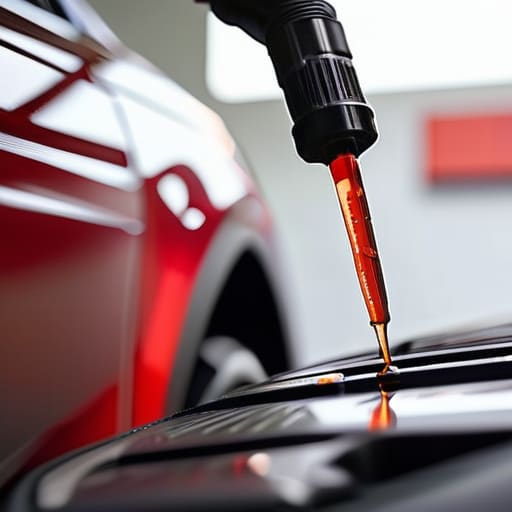
Here’s where most people mess up: they pull the dipstick and think they’re done. If you want an actual reading, you have to account for the transmission fluid temperature impact. Most cars need to be running and at operating temperature for the fluid to expand properly. If you check it cold, you’re going to get a reading that’s way too low, which might lead you to overfill it. Once the engine is warmed up, park on a flat surface—level ground is non-negotiable—and keep the engine idling in Park.
When you’re finally checking transmission dipstick levels, don’t just look at the line once. Pull it out, wipe it clean with a lint-free rag, reinsert it fully, and then pull it again to get the real measurement. While you’re looking at that level, take a second to actually look at the fluid itself. You’re looking for a bright, translucent red. If it looks dark or you notice a burnt smelling transmission fluid, that’s a massive red flag that your internal components are cooking themselves. Don’t ignore that smell; it’s usually the first sign of trouble.
Why Transmission Fluid Temperature Impact Changes Everything
Here’s the thing most people miss: your transmission isn’t a static system. It’s a living, breathing part of your car that changes based on how hard you’ve been driving. If you try checking transmission dipstick levels while the engine is stone-cold after sitting in the driveway all night, you’re going to get a reading that’s way off. The fluid needs to be at operating temperature to expand and circulate properly, otherwise, you’ll think you’re low when you’re actually fine.
This is where the transmission fluid temperature impact really messes with your head. If you’re checking it right after a long highway pull, the fluid is thin and hot; if you check it too early, it’s thick and settled. You want to find that sweet spot—usually after a short drive so the fluid is warm but not boiling. If you ignore this, you might start chasing ghosts, thinking you have low transmission fluid symptoms like slipping gears, when really, you just haven’t accounted for the heat. Don’t let a misunderstood reading trick you into a repair you don’t actually need.
Pro Tips to Keep You From Guessing (And Wasting Money)
- Keep a clean rag handy before you even touch that dipstick. If you pull it out and it’s covered in old grime or grit, you’re going to get a false reading that makes you think your fluid is low when it actually isn’t. Wipe it clean first.
- Don’t just look at the level; look at the color and smell. If it looks like dark coffee or smells burnt, you’ve got more than just a low fluid problem on your hands—you’ve likely got internal damage. Fresh fluid should be bright and clear, not murky.
- Always check the level on a flat surface. I’ve seen guys check their fluid while parked on a steep driveway, and they end up adding way too much fluid because the car is tilted. Find level ground or you’re just playing guessing games.
- Watch out for “foaming.” If you pull the dipstick and the fluid looks bubbly or milky, you probably have air getting into the system or coolant leaking in. That’s a red flag that means you need to stop driving and figure out why.
- Use the right fluid, period. If you do need to top it off, don’t just grab whatever generic bottle is on sale. Check your owner’s manual or the transmission pan for the specific spec. Using the wrong stuff is the fastest way to turn a simple check into a total transmission rebuild.
The Bottom Line on Your Transmission Fluid
Don’t just eyeball the dipstick while the engine is cold; you’ve got to get that fluid up to operating temperature first, or you’re basically reading a lie.
Watch the color and smell, not just the level—if it looks like burnt coffee or smells like a bonfire, stop driving and figure out why before you fry your gears.
Keep it simple and don’t overthink it: checking your fluid is just about being consistent so you can catch a small leak before it turns into a massive repair bill.
## Stop Guessing and Start Checking
“Most shops will try to tell you that checking your transmission fluid is some high-level technical procedure, but honestly? It’s just about getting the temperature right and not being afraid to get your hands a little dirty. If you can read a dipstick, you can save yourself a thousand-dollar mistake.”
Nikolai·Osterman
Wrapping It All Up
Look, checking your transmission fluid isn’t some mystical science, but you can’t just wing it if you want accurate results. We talked about how crucial it is to get that dipstick reading right and, more importantly, why you can’t ignore the operating temperature of the fluid. If you try to check it stone-cold or after a heavy highway pull without letting it settle, you’re basically just guessing. Remember, the goal isn’t just to see if there’s liquid in there; it’s to check the color and smell to make sure your gears aren’t cooking themselves from the inside out.
At the end of the day, I don’t want you to feel intimidated by what’s under the hood. Most shops will try to tell you that these systems are too complex for a regular person to touch, but that’s usually just a way to pad their invoice. Taking ten minutes every few months to pull that dipstick is the difference between a cheap fluid top-off and a multi-thousand dollar rebuild. Grab your gloves, keep your eyes peeled for any burnt smells, and take control of your own machine. You’ve got this, and your wallet will definitely thank you later.
Frequently Asked Questions
Is it a big deal if the fluid looks dark or smells burnt, or should I just keep driving?
Look, if it’s dark or smells like burnt toast, don’t just keep driving and hope for the best. That smell is a massive red flag—it usually means your fluid has lost its ability to protect your gears from heat. If it’s pitch black and stinks, your transmission is basically cooking itself. You might get away with a fluid flush, but if it’s too far gone, you’re looking at a much bigger repair bill.
My car doesn't have a dipstick under the hood—how am I supposed to check the level?
Look, I get it—it’s frustrating when you pop the hood and see nothing but plastic covers. A lot of newer cars are “sealed” systems, meaning they don’t have that easy-access dipstick. Usually, you’ll have to go under the car to find a check plug on the transmission pan, or sometimes it’s hidden deep in the engine bay. If you’re not comfortable crawling underneath, this is one of those times you might actually want a pro.
If I notice the fluid is low, can I just top it off with any generic fluid, or do I need something specific?
Look, don’t just grab whatever’s on the bottom shelf at the auto parts store. Using the wrong fluid is a fast track to burning out your clutches and a massive repair bill. Every manufacturer has a specific spec—it might be Dexron, Mercon, or something totally proprietary. Check your owner’s manual or the dipstick itself. If you aren’t 100% sure, ask me or a pro. It’s better to spend an extra ten bucks now than a thousand later.
