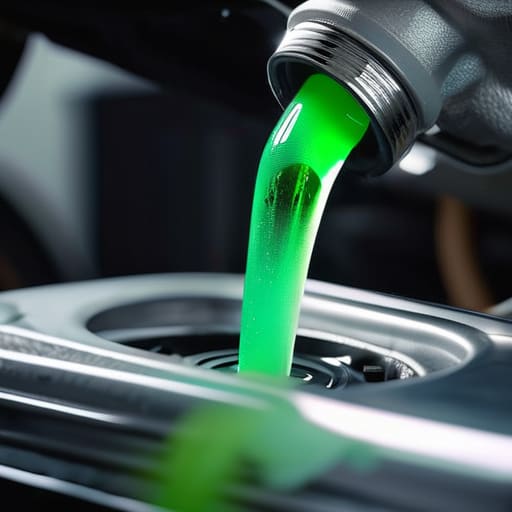
I saw a guy at the shop last week getting quoted three hundred bucks just to swap out some old, murky fluid, and honestly, it made my blood boil. Most mechanics will act like a coolant flush procedure is some high-level surgical operation that requires a master technician and a specialized machine, but that’s just a line item on an invoice designed to pad their margins. The truth is, your cooling system isn’t a mystery box; it’s just a loop of hoses and a radiator that needs a little cleaning to keep your engine from melting down.
I’m not here to give you some textbook lecture or a list of expensive shop tools you’ll never use again. I’m going to walk you through the real-world way to do this in your own driveway using basic gear and a bit of patience. We’ll cover exactly how to drain the old gunk, how to make sure you aren’t leaving any sludge behind, and how to refill it without trapping any air in the system. By the time we’re done, you’ll have the confidence to keep your own car running without handing over your paycheck to a service writer.
Table of Contents
- Step-by-Step Instructions
- The Truth About Cooling System Maintenance and Engine Health
- How to Drain and Refill Coolant Without the Mechanics Markup
- Pro Tips to Keep You from Making a Mess (or Killing Your Engine)
- The Bottom Line on Your Cooling System
- ## Don't Let Them Gatekeep Your Engine's Life
- Don't Let Them Keep You in the Dark
- Frequently Asked Questions
Guide Overview
Tools & Supplies
- Drain pan to catch old fluid
- Pliers for hose clamps
- Funnel to prevent spills
- Gloves and safety glasses for protection
- New engine coolant (check manual for type)
- Distilled water (if mixing concentrate)
- Rags for cleaning spills
Step-by-Step Instructions
- 1. First things first, make sure your engine is completely cold. I can’t stress this enough—trying to open a radiator cap on a hot engine is a one-way ticket to a trip to the ER with a face full of boiling liquid. Once you’re sure it’s cool, grab your drain pan and slide it under the radiator drain plug (the petcock).
- 2. Locate the petcock at the bottom of the radiator and slowly turn it to let the old, nasty coolant drain out. If your car is older and the plastic plug feels like it’s going to snap, don’t force it; just be gentle. Let it run until it’s nothing but a slow drip, then tighten that plug back up so you don’t end up with a massive leak later.
- 3. Now you need to get the old stuff out of the engine block itself. Most people skip this and wonder why their coolant still looks murky, but you should find the heater hose connections and give them a quick disconnect to let the remaining fluid drain. It’s a bit messy, so keep that drain pan positioned perfectly before you start loosening the clamps.
- 4. Time to flush the system with fresh water. Pour some distilled water into the radiator until it’s full, then start the car and turn your heater on to the highest setting. This helps the water circulate through the heater core to flush out any leftover gunk. Let it run for a few minutes, shut it off, and drain it all out again. Repeat this until the water coming out looks completely clear.
- 5. Once you’ve got clean water draining out, it’s time to actually fill it up. Grab your new coolant—make sure it’s the right type for your specific make and model—and start pouring it into the radiator. I always prefer using a pre-mixed 50/50 blend because it takes the guesswork out of the ratio, and you don’t have to worry about messing up the concentration.
- 6. Fill the radiator and the overflow reservoir to the “max” line, then replace the cap. Start the engine and let it run for a bit while you keep a close eye on the temperature gauge. You’ll likely see the level in the reservoir drop as air bubbles escape the system; if that happens, just top it off again until the level stabilizes.
- 7. The last thing you need to do is a final check for leaks. Grab a flashlight and look around the radiator, hoses, and that drain plug you tightened earlier. If everything looks dry and the temperature stays steady, you’re officially done. You just saved yourself a hundred bucks in shop labor.
The Truth About Cooling System Maintenance and Engine Health
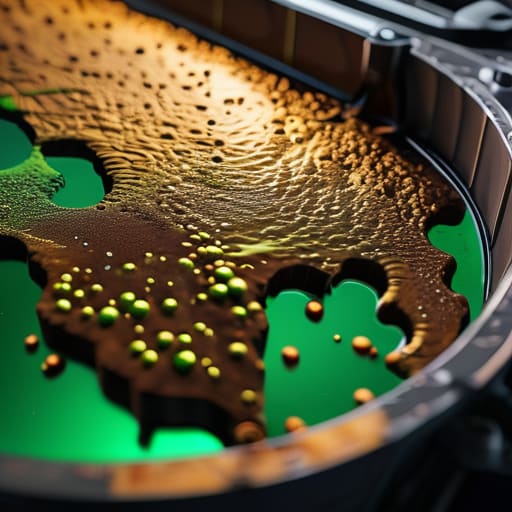
Look, most people think the coolant is just there to keep the engine from melting, but it’s doing way more than that. Over time, that fluid breaks down and stops protecting your internals from corrosion and scale buildup. If you ignore basic cooling system maintenance, you’re basically asking for a massive repair bill down the road. I’ve seen too many guys ignore a slightly discolored reservoir only to end up with a blown head gasket because they thought they could skip a simple service. It’s not just about the liquid; it’s about preventing engine overheating before it becomes a catastrophic failure.
While you’re under the hood, don’t just focus on the fluid. Do a quick radiator cap inspection to make sure the seal isn’t shot—if that cap can’t hold pressure, your boiling point drops and your temperature will spike. Also, keep an ear out for any weird whining or grinding sounds near the belt line; that’s usually a sign of declining water pump health. Taking ten minutes to check these small things can save you thousands in parts and labor later.
How to Drain and Refill Coolant Without the Mechanics Markup
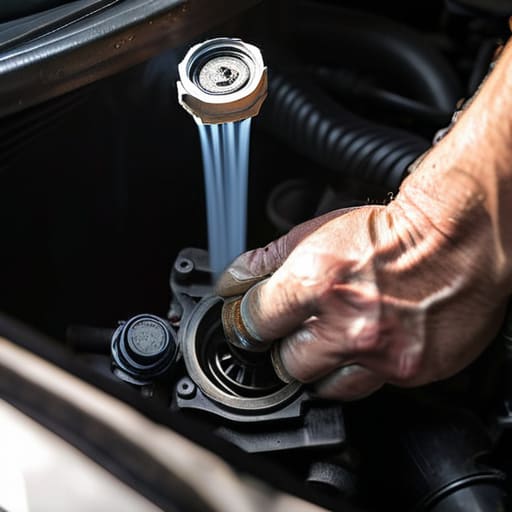
Look, the biggest way shops pad your bill is by charging two hours of labor for something that’s basically just a glorified oil change. When you’re doing the drain and refill coolant yourself, the secret is in the preparation. Don’t just dump the old stuff and call it a day; make sure you’re checking your radiator cap inspection while the system is empty. If that seal is shot, your new fluid won’t mean a thing because you’ll be losing pressure and fighting engine temperature regulation issues within a week.
Another thing I see people mess up constantly is the chemistry. You can’t just grab whatever cheap jug is on sale at the gas station. You have to respect the coolant mixing ratio specified in your owner’s manual—usually a 50/50 split of distilled water and concentrate. If you go too heavy on the water, you’re asking for corrosion; too much concentrate, and you’re not getting the heat transfer you need. Getting this right is the easiest way to handle cooling system maintenance without handing your paycheck over to a service advisor.
Pro Tips to Keep You from Making a Mess (or Killing Your Engine)
- Never, and I mean never, open that radiator cap while the engine is hot. I’ve seen guys try to rush it and end up with a face full of boiling coolant. It’s not worth the scar tissue; let the car cool down completely first.
- Don’t just guess on the coolant type. Check your owner’s manual or the cap itself. Mixing different types of coolant—like an old-school green with a modern OAT—can turn into a weird, sludge-like mess that clogs your heater core.
- Get a dedicated drain pan that actually fits under your car. There’s nothing more frustrating than trying to catch a slow drip with a shallow pan and ending up with a greasy puddle all over your driveway.
- When you’re refilling, don’t just dump it in and call it a day. You need to “burp” the system. Run the engine with the cap off and the heater on high to let those air pockets escape, otherwise, you’ll deal with overheating issues almost immediately.
- Keep an eye on your temperature gauge for the first few drives after the flush. If it starts creeping up higher than usual, you probably still have an air pocket trapped in the system, and you need to go back and burp it again.
The Bottom Line on Your Cooling System
You don’t need a fancy shop setup to do this right; just grab a drain pan, the right coolant, and a bit of patience to save yourself a massive markup.
Don’t just swap the fluid and call it a day—make sure you’re actually flushing the old gunk out of the system so you aren’t just diluting the problem.
Keep an eye on your temperature gauge after you’re done; catching a small air bubble early is way better than dealing with an overheated engine later.
## Don't Let Them Gatekeep Your Engine's Life
“Mechanics love to act like a coolant flush is some kind of dark art that requires a specialized degree, but it’s really just about getting the old, acidic sludge out before it eats your water pump. Don’t let them charge you a three-figure markup for something you can do in your own driveway with a drain pan and twenty minutes of your time.”
Nikolai·Osterman
Don't Let Them Keep You in the Dark
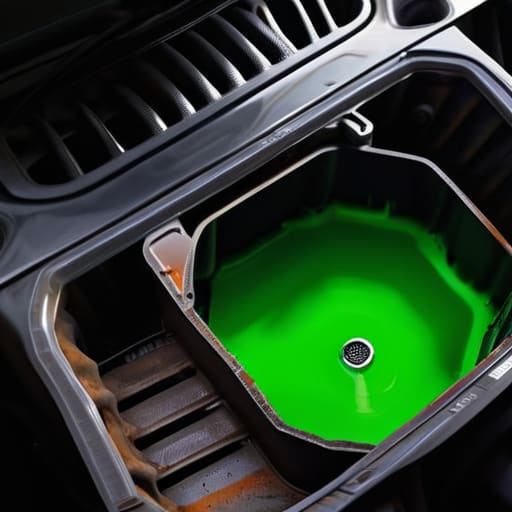
At the end of the day, flushing your coolant isn’t some mysterious ritual reserved for guys with master certifications and expensive hydraulic lifts. You’ve learned that it’s really just about draining the old, acidic sludge out and replacing it with fresh fluid to keep those engine temps stable. Whether you’re dealing with a simple drain-and-fill or you went the extra mile to purge the radiator completely, you’ve successfully protected your cooling system from the internal corrosion that eats cars from the inside out. Just remember to keep an eye on your levels for the next few days to make sure you haven’t got any pesky air pockets trapped in the lines.
I know it can feel intimidating when you’re staring down a steaming engine bay for the first time, but honestly, the more you do this, the more it just becomes part of the routine. Every time you grab your tools and tackle a job yourself, you’re taking back control from the shops that rely on people being too intimidated to ask questions. Don’t let anyone tell you that you’re “not a car person” just because you didn’t spend a decade in a classroom. Keep that magnetic tray handy, stay patient, and keep turning wrenches. You’ve got this.
Frequently Asked Questions
Can I just use regular tap water to refill the system, or am I going to mess something up?
Look, I get the temptation to just grab the garden hose, but please don’t do that. Using tap water is a fast track to mineral buildup and scale inside your radiator, which eventually chokes your cooling flow. If you’re in a pinch, use distilled water—it’s cheap and won’t leave junk behind. But honestly? Just grab some pre-mixed 50/50 coolant. It saves you the math and keeps your internals clean. Don’t risk a head gasket over a few bucks.
How do I know if I actually need a full flush versus just topping off the reservoir?
Look, if you’re just low on fluid because of a tiny leak, a top-off is fine. But don’t get lazy. If your coolant looks murky, like old tea, or has oily bits floating in it, that’s your sign. Also, if you’re seeing crusty buildup around the reservoir or your temp gauge is acting twitchy, stop topping it off and just do the full flush. It’s better to spend an hour now than a grand on a blown head gasket later.
Is it safe to do this while the engine is still warm, or am I asking for a burn?
Look, I’m gonna be real with you: do not touch that radiator cap while the engine is hot. You’re asking for a serious burn. When the system is pressurized and hot, that coolant wants to spray everywhere like a geyser, and it’ll cook you instantly. Wait until the engine is cool to the touch. It takes longer, sure, but I’d rather wait an hour than spend a week in the ER.
