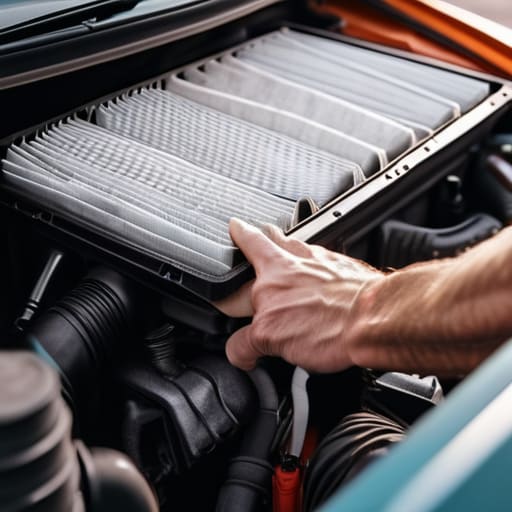
I was working on a beat-up old sedan last week when a customer came in, looking totally stressed because the shop told him he needed a “major intake system overhaul” just to fix a sluggish engine. I almost lost it. The guy was looking at a bill for hundreds of dollars when all his car actually needed was a simple air filter replacement. It kills me how some shops try to dress up the most basic maintenance as some high-tech, expensive surgery just to pad their margins. Honestly, if your car feels like it’s gasping for breath, it’s usually not a mystery—it’s just choking on dust.
Look, I’m not here to give you some textbook lecture or sell you on fancy additives you don’t need. I’m going to show you exactly how to handle an air filter replacement yourself, without the headache or the massive markup. I’ll walk you through what to look for, how to spot a bad one, and how to swap it out in under five minutes. You’ve got this, and I’m going to make sure you don’t get ripped off.
Table of Contents
- Spotting the Signs of a Clogged Filter Before It Costs You
- Mastering Your Vehicle Maintenance Schedule Without a Mechanics Degree
- Pro Tips to Keep Your Engine Breathing Easy
- The Bottom Line on Keeping Your Engine Breathing
- The Real Cost of Cutting Corners
- Don't Let Them Charge You for Five Minutes of Work
- Frequently Asked Questions
Spotting the Signs of a Clogged Filter Before It Costs You
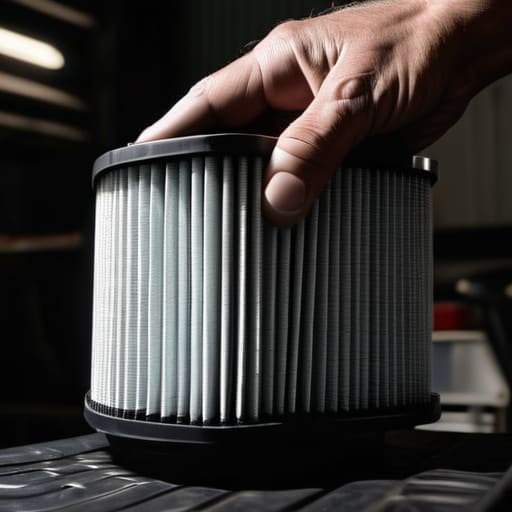
You don’t always have to wait for a dashboard light to tell you something is wrong. Usually, your car will start “talking” to you through how it drives. If you notice your engine feels sluggish or you’re getting significantly worse gas mileage, it’s a huge red flag. A choked-out filter makes the engine work twice as hard just to breathe, which is a total killer for improving fuel efficiency. If you’re constantly hitting the gas just to keep up with traffic, your car is likely gasping for air.
Another thing to watch for is how your cabin feels. If you turn on the AC and it feels like a weak breeze instead of a blast, or if you start noticing a musty smell, that’s a clear sign of a clogged filter. It’s not just about the engine, though; it’s about your HVAC system performance and the air you’re actually breathing. If the vents feel weak or the air quality inside the car just feels off, don’t ignore it. Catching these small issues early keeps you from turning a cheap fix into a massive headache.
Mastering Your Vehicle Maintenance Schedule Without a Mechanics Degree
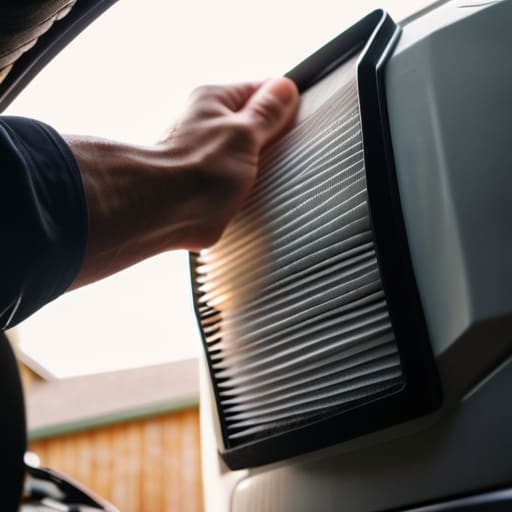
Look, you don’t need a massive binder full of technical jargon to stay on top of things. Most shops try to make the vehicle maintenance schedule seem like some complex, high-stakes puzzle just to justify their labor rates. In reality, it’s mostly about rhythm. I always tell my friends to just pick a milestone—like every oil change or every six months—and make that their trigger for a quick inspection. If you can check your oil, you can definitely check a filter.
Don’t get bogged down in the fine print of your owner’s manual, either. Just focus on the stuff that actually impacts how your car feels on the road. For example, keeping your engine breathing clean air is one of the easiest ways of improving fuel efficiency without spending a dime on fancy additives. It’s about being proactive rather than reactive. If you wait until the car is sputtering to look at your logs, you’ve already lost the battle. Just stay consistent, and you’ll find you’re saving a ton of money in the long run.
Pro Tips to Keep Your Engine Breathing Easy
- Don’t just eyeball it; if you see a thick layer of gray dust or debris stuck in the pleats, it’s already time for a swap.
- Grab a can of compressed air to blow out the airbox housing before you drop the new filter in—you don’t want old grit falling onto your clean sensor.
- Check your owner’s manual for the actual interval, but honestly, if you live somewhere dusty or near a construction site, expect to change it more often than the book says.
- Never try to “clean” a paper filter by washing it; you’ll just ruin the fibers and end up sucking dirt straight into your intake.
- Make sure the rubber seal on the new filter sits perfectly flush in the housing; if it’s crooked, you’re basically letting unfiltered air bypass the whole system.
The Bottom Line on Keeping Your Engine Breathing
Don’t wait for a dashboard light or a massive drop in MPG; if your filter looks like it’s been through a sandstorm, just swap it out.
You don’t need a specialized toolkit for this—most cars let you pop the airbox open with just a screwdriver or even your bare hands.
Checking your filter every few oil changes takes two minutes and can save you hundreds in fuel costs and engine wear down the road.
The Real Cost of Cutting Corners
“Mechanics love it when you ignore your air filter because it turns a five-minute swap into a massive bill for engine cleaning later. Don’t give them that satisfaction; just grab a new one, pop it in, and keep your money in your pocket.”
Nikolai·Osterman
Don't Let Them Charge You for Five Minutes of Work
Look, at the end of the day, swapping an air filter isn’t some high-level engineering feat. We’ve covered how to spot that sluggish acceleration, how to keep track of your mileage without feeling overwhelmed, and why letting that debris build up is just throwing money out the window. It really comes down to two things: staying observant and having that one new filter sitting in your trunk when you need it. Once you realize that most of these “maintenance tasks” are just simple mechanical movements, you stop being a victim to the service advisor’s sales pitch. You’ve got the signs to watch for and the schedule to follow; now you just need to actually do the work.
I know it can feel intimidating when you first pop that hood and see all those wires and plastic housings, but I promise you, it gets easier. Every time you grab your tools and handle a repair yourself, you’re taking back control of your ride and your wallet. Don’t let the fear of “doing it wrong” keep you stuck in a cycle of expensive shop visits. Just grab a new filter, take your time, and trust your hands. You’re more capable than any mechanic wants you to believe, and honestly, your car will probably run better for it.
Frequently Asked Questions
Can I just blow the dust out with some compressed air instead of buying a new one?
Look, I get the temptation to save a few bucks, but honestly? Don’t do it. Blowing out a filter with compressed air might clear the big chunks, but it’s not going to pull the fine grit out of those microscopic pleats. You’re basically just rearranging the dirt. Plus, you risk tearing the paper, which lets debris straight into your engine. Just grab a new one; it’s cheaper than a ruined turbo or engine rebuild.
How do I know if I need a standard paper filter or one of those reusable oiled ones?
Look, don’t let the marketing fool you. Check your owner’s manual first—that’s your bible. If it calls for a standard paper filter, stick with it. They’re cheap and they do the job. Those reusable oiled ones can be cool for tuning, but if you over-oil them, you’ll actually gunk up your Mass Air Flow sensor, and then you’re looking at a much more expensive headache. If you’re just daily driving, paper is king.
Is it actually worth checking the cabin air filter too, or is that just another way for shops to upcharge me?
Look, I get it—it feels like another way for shops to pad the bill. But here’s the truth: the cabin filter is actually worth your time. While the engine filter keeps the motor breathing, the cabin filter keeps you breathing. If your AC smells funky or the airflow feels weak, it’s probably clogged with dust and dead bugs. It’s usually a five-minute job behind the glovebox. Don’t pay a shop $50 for it.
