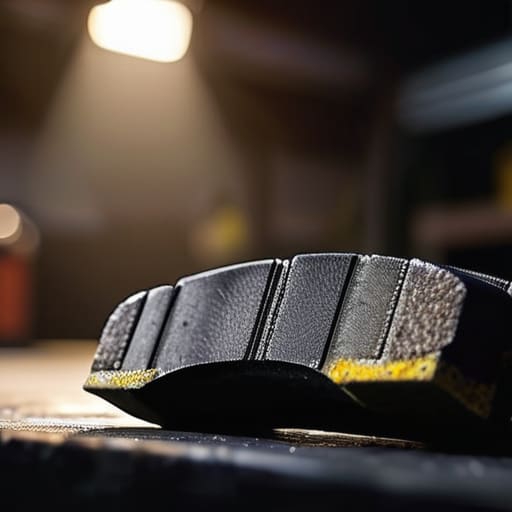
I remember one Saturday back in my dad’s garage, working on an old Corolla, when a customer came in complaining about a “complex hydraulic imbalance.” The shop foreman quoted him a fortune just to look at it, but I knew the truth: it was just a simple, high-pitched squeal that every driver should recognize. Most people think you need a computer diagnostic to figure out what’s wrong, but honestly, your car is usually trying to tell you exactly what’s happening. If you start noticing weird vibrations or those annoying screeching noises, you’re likely seeing the first real brake pad wear symptoms before they turn into a massive, expensive headache.
Look, I’m not here to sell you a premium service package or use a bunch of technical jargon to make myself sound smarter than you. My goal is to give you the straight truth about what those sounds and feelings actually mean. I’m going to walk you through the red flags so you can stop guessing and start knowing. By the time we’re done, you’ll be able to tell if it’s a quick fix or something more serious, and most importantly, you’ll know exactly what to tell the mechanic so they don’t try to pull one over on you.
Table of Contents
The Truth Behind That Worn Brake Pads Noise
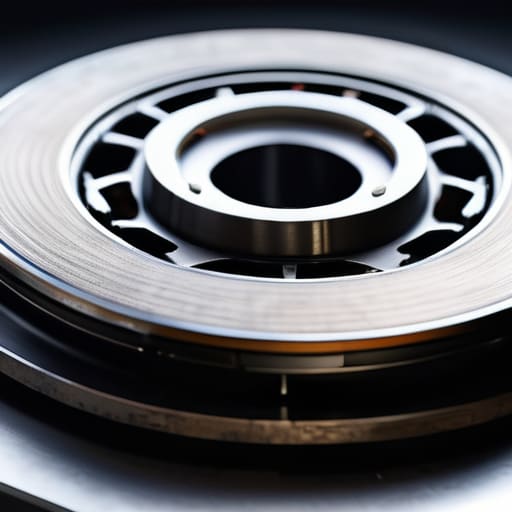
When you start hearing that high-pitched screech, it’s not just an annoying sound—it’s actually a built-in warning. Most modern pads have a little metal tab called a wear indicator designed to scrape against the rotor when the friction material gets too thin. It’s basically your car’s way of telling you that you’re running low on juice. If you ignore that worn brake pads noise for too long, you’re going to move past a simple fix and start looking at much more expensive problems.
The real danger is what happens when you let it go. Once the pads are completely gone, you’re essentially metal-on-metal. That’s when you start seeing serious brake rotor damage, which turns a cheap pad swap into a much bigger bill at the shop. You might even feel a weird vibration or a pulsating brake pedal under your foot, which is a massive red flag that things are getting messy. Don’t wait until you’re struggling to stop at a red light to realize something is wrong.
Why Your Stopping Distance Increase Is a Warning
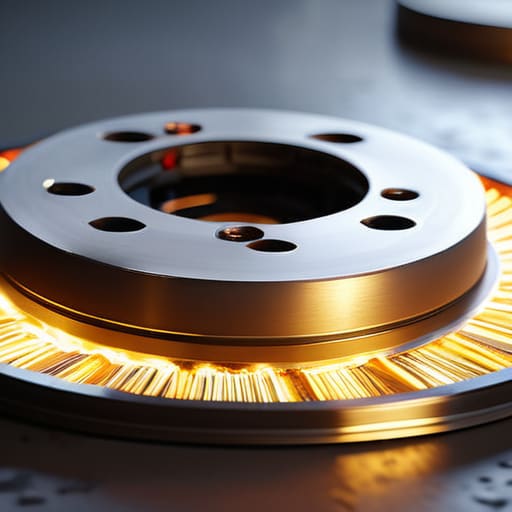
If you’ve noticed that you’re having to press the pedal a little harder or deeper than usual just to get the car to slow down, pay attention. A noticeable stopping distance increase isn’t just a minor annoyance; it’s a massive red flag that your friction material is getting dangerously thin. When there isn’t enough “meat” left on the pads, they can’t grab the rotor effectively, which means you’re losing those precious split seconds you need in an emergency.
This isn’t just about the pads themselves, either. If you keep pushing it, you’re going to run into serious brake rotor damage. Once the metal backing of the pad starts grinding directly against the rotor, you aren’t just looking at a simple pad swap anymore—you’re looking at a much more expensive repair bill. I’ve seen too many people try to save a few bucks by ignoring the feel of the pedal, only to end up paying triple because they trashed their rotors in the process. Don’t let a simple fix turn into a total system overhaul.
5 Red Flags You Can’t Afford to Miss
- Watch for that steering wheel shake. If your wheel starts vibrating like crazy every time you slow down for a red light, your rotors are probably warped because your pads are too thin to cushion them properly.
- Check your brake fluid level. If it’s looking low, it’s a dead giveaway that your calipers are pushing further out to compensate for pads that have basically vanished.
- Feel for a “spongy” pedal. If you have to stomp on the brake pedal just to get the car to slow down, or if it feels like you’re stepping on a marshmallow, your braking system is losing pressure and you’re in trouble.
- Look for uneven wear patterns. If you take a quick peek through your rims and notice one pad looks brand new while the other is down to the metal, you’ve likely got a stuck caliper that needs immediate attention.
- Keep an eye on your dashboard lights. Most modern cars have sensors that’ll pop a warning light the second your friction material hits a certain threshold—don’t wait for the light to come on to start thinking about a shop visit.
The Bottom Line on Your Brakes
If you hear a high-pitched squeal or a grinding metal-on-metal sound, stop driving and check your pads immediately—that’s your car’s way of telling you the friction material is gone.
Pay attention to how the car feels; if you’re having to press the pedal harder or notice the car pulling to one side when slowing down, your braking system is compromised.
Don’t wait for a total failure to fix the issue, because replacing pads early is a cheap DIY job, but waiting until you ruin your rotors will cost you way more at the shop.
## Listen to Your Car
“Your car isn’t trying to annoy you with those weird squeals or vibrations—it’s literally begging you to pay attention before you’re stuck on the side of the road with a dead pedal.”
Nikolai·Osterman
Don't Wait Until It's Too Late
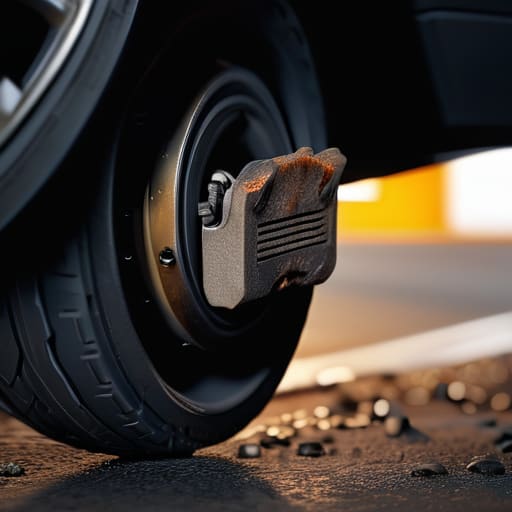
Look, I’ve seen too many people ignore those high-pitched squeals or that weird, spongy feeling in the pedal until they’re stuck on the shoulder of a highway waiting for a tow truck. Whether it’s the grinding noise that sounds like metal on metal or the fact that you’re suddenly having to slam the brakes just to stop at a red light, these aren’t just minor annoyances. They are your car’s way of telling you that something is fundamentally wrong. Pay attention to the vibrations, listen to the sounds, and trust your gut when the driving experience feels off. Catching a worn pad early might save you a few bucks now, but it’ll definitely save you from a massive repair bill—or a dangerous situation—later on.
At the end of the day, keeping your car safe shouldn’t feel like some impossible mystery reserved for master technicians. You don’t need a massive shop or a fancy degree to realize when your brakes are failing; you just need to stay observant. Once you start paying attention to these small signs, you’ll realize you have way more control over your vehicle than the big dealerships want you to think. Grab your tools, do your inspections, and take charge of your ride. You’ve got this.
Frequently Asked Questions
I noticed my brake pedal feels a bit spongy when I press it—could that be related to my pads wearing down?
That spongy feeling is a massive red flag, and honestly, it’s usually not just the pads. While thin pads can change how the pedal feels, a “mushy” sensation usually means you’ve got air in your brake lines or a leak in the system. If your fluid is low or there’s a bubble in the line, you aren’t getting that solid pressure you need to stop. Don’t ride it out—get those lines checked immediately.
Is it actually safe to keep driving if the squealing only happens when I'm reversing?
Look, if it only happens when you’re backing up, it’s usually just a bit of surface rust on the rotors or some dust stuck in the pads. It’s annoying, but not an immediate “pull over” emergency. That said, don’t get complacent. If that squeal turns into a grinding sound or starts happening while you’re driving forward, your pads are toast. Grab your flashlight, check the thickness, and don’t let a small noise turn into a massive bill.
How can I tell if it's just the brake pads that need replacing or if my rotors are shot too?
Look, here’s the deal: if you feel a rhythmic pulsing or vibration through the pedal when you brake, that’s usually your rotors. That’s called “warping,” though it’s actually just uneven wear on the metal surface. If the car just makes noise or takes longer to stop but feels smooth, it’s probably just the pads. If you’ve got both vibration and grinding, your rotors are likely toast. Don’t try to save a few bucks by skipping the rotors if they’re uneven.
