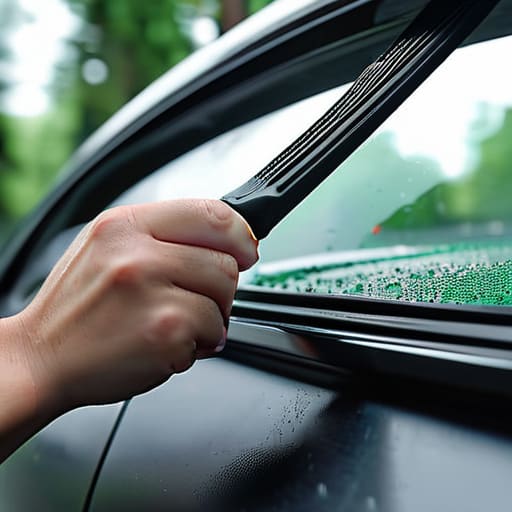
Ever find yourself white-knuckling the steering wheel during a downpour because your windshield looks like it’s covered in smeared grease? Most people think they need to head to the dealership or wait for a “service special” to fix that annoying streaking, but honestly, that’s just a way to drain your wallet. The truth is, wiper blade replacement is one of those tasks that mechanics love to overcharge for, even though it’s basically a five-minute job. I remember my first real storm driving home from a late shift; the old blades just chattered across the glass, leaving me totally blind. It was a wake-up call that I should’ve handled my own maintenance instead of just hoping for the best.
I’m not here to give you some overly complicated manual or sell you on expensive, fancy gadgets you don’t need. I’m going to show you exactly how to grab the right parts and swap them out yourself without breaking a sweat. We’re going to cover how to identify your specific blade size and the proper way to click them into place so you don’t snap the wiper arm. Let’s get it done.
Table of Contents
- Step-by-Step Instructions
- Spotting the Signs of Worn Wiper Blades Before Its Too Late
- How to Change Windshield Wipers Without Breaking a Sweat
- Pro Tips to Keep Your Wipers From Acting Up
- The Bottom Line on Keeping Your Vision Clear
- The Real Cost of Neglect
- Don't Let the Rain Catch You Off Guard
- Frequently Asked Questions
Guide Overview
Tools & Supplies
- Microfiber cloth to protect windshield
- Owner's manual to verify wiper type
- New wiper blade set (driver and passenger side)
- Glass cleaner to prep surface
Step-by-Step Instructions
- 1. First things first, grab your new blades and make sure they actually match your car. I’ve seen guys buy the wrong size and spend twenty minutes trying to force a fit, which is a total waste of time. Check your owner’s manual or just pop into the auto parts store and double-check the length before you head home.
- 2. Lift the wiper arm up away from the windshield. You want it standing straight up like it’s in a “salute” position. Be careful here, though—if you let that metal arm snap back down without a blade on it, it’ll crack your windshield, and that’s a much more expensive headache than just buying new wipers.
- 3. Look at where the blade connects to the arm. Most cars use a simple “J-hook” style, which is basically a little metal hook at the end of the arm. You’ll usually see a small tab or a button on the underside of the connector; press that tab firmly to release the tension holding the old blade in place.
- 4. Once the tab is pressed, slide the old blade down and out of the hook. Once it’s free, set it aside. Before you do anything else, take a clean rag and wipe down the metal arm and the area where the blade sits. You don’t want to trap old grit or dirt under your brand-new rubber.
- 5. Take your new blade and line up its connector with the hook on the arm. It should slide right in. You’ll know it’s secure when you hear a solid click or feel it lock into place. Give it a quick, firm tug to make sure it isn’t going anywhere.
- 6. Slowly lower the wiper arm back onto the glass. Don’t just let it fly; guide it down gently so you don’t stress the mechanism. Once it’s seated, turn on your wipers and give them a quick spray of washer fluid to make sure they’re sweeping clean without any weird skipping or dragging.
Spotting the Signs of Worn Wiper Blades Before Its Too Late
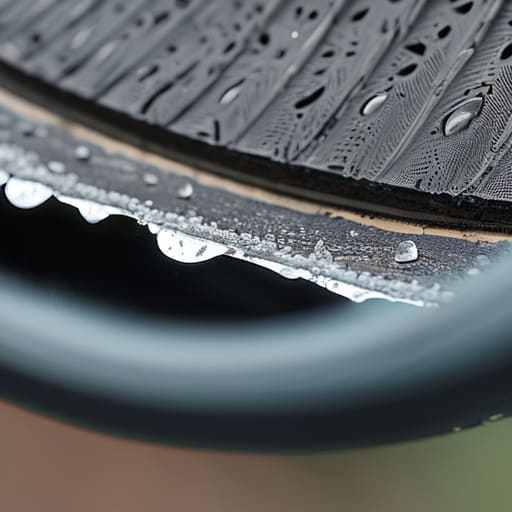
You don’t always have to wait for a downpour to realize your blades are shot. Honestly, most people wait until they’re driving through a storm and can barely see the lines on the road, but that’s when it gets dangerous. One of the biggest signs of worn wiper blades is that annoying, rhythmic chattering sound they make across the glass. If they’re jumping or skipping instead of gliding smoothly, the rubber has likely hardened or cracked from sitting out in the sun.
Another dead giveaway is those annoying streaks that refuse to clear, no matter how much fluid you spray. If you notice “ghosting” or a cloudy film left behind, your blades aren’t making full contact anymore. I always tell people to keep an eye out for physical damage like tiny tears or chunks missing from the rubber edge. Catching these things early is just part of solid automotive maintenance tips that save you from a massive headache later. Don’t wait for a visibility crisis to realize you need a quick swap.
How to Change Windshield Wipers Without Breaking a Sweat
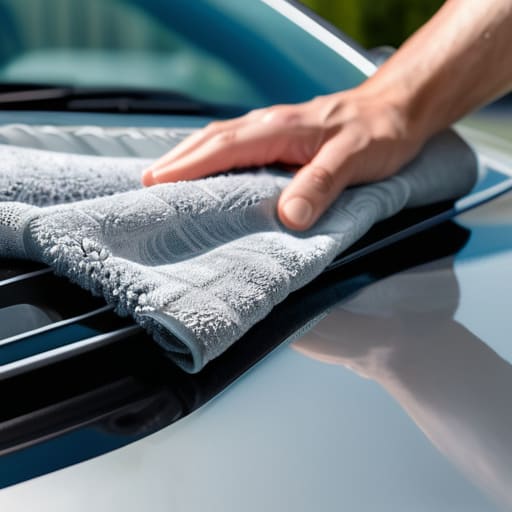
Look, I’ve seen plenty of people struggle with this because they treat it like a high-stakes surgery, but it’s really not that deep. The biggest mistake I see is people rushing the process and accidentally snapping the wiper arm back against the glass. If that metal arm slams down without a blade attached, you’re looking at a cracked windshield and a much more expensive afternoon. My best piece of advice? Grab a thick towel and lay it right over the glass before you start. It acts as a buffer so if things slip, you aren’t paying for a new windshield on top of new blades.
Another thing that trips people up is getting the wrong gear. Don’t just grab whatever’s on sale at the big-box store without checking your manual first. Knowing the correct wiper blade size for your specific make and model is the difference between a smooth swipe and a constant, annoying chatter. If you’re looking for more automotive maintenance tips to keep your visibility sharp, just remember: check your blades every time the seasons shift. It takes two minutes and keeps you from driving blind.
Pro Tips to Keep Your Wipers From Acting Up
- Don’t just buy the cheapest blades at the big-box store; if you want them to actually last through a storm, spend the extra few bucks on a decent brand that uses high-quality rubber.
- Before you snap the new ones on, give the wiper arm itself a quick wipe with a clean rag to get rid of any grit or road grime that could scratch your windshield.
- If your new blades start streaking right away, check the tension on the wiper arm—sometimes they aren’t seated perfectly in the clip, and that’s all it takes to mess up the contact.
- Protect your windshield while you’re working; if you accidentally lift that metal wiper arm too far back without a blade attached, it can snap back and crack your glass in a heartbeat.
- Once the new blades are on, do a quick test spray of your washer fluid to make sure everything is aligned and sweeping the glass smoothly before you head out on the road.
The Bottom Line on Keeping Your Vision Clear
Don’t wait for a storm to realize your wipers are shot; if they’re streaking or squealing now, just swap them out.
You don’t need a mechanic for this—grab the right size at the parts store, spend five minutes on it, and save yourself the shop fee.
Check your wiper connections before you buy new ones so you aren’t stuck with a blade that doesn’t actually fit your arm.
The Real Cost of Neglect
“Don’t let a shop charge you fifty bucks for a ten-minute job just because you’re scared of a little plastic clip; keeping your visibility clear shouldn’t break your bank or your spirit.”
Nikolai·Osterman
Don't Let the Rain Catch You Off Guard
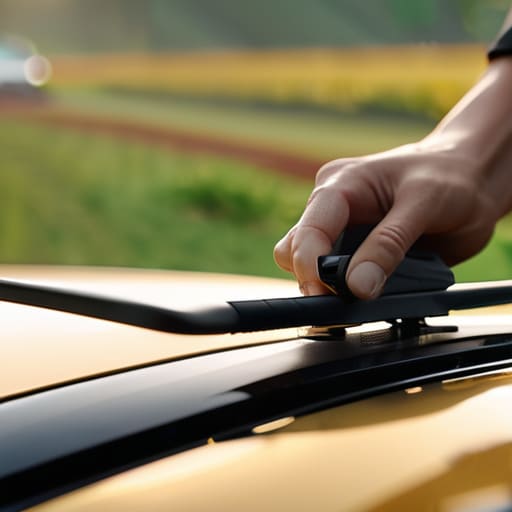
At the end of the day, swapping out your wipers is one of those small wins that keeps your car feeling reliable. We covered how to spot those annoying streaks before they turn into a safety hazard, the right way to unclip the old blades without snapping the wiper arm, and how to make sure the new ones are seated perfectly. It’s a quick process, but if you rush it, you might end up with a scratched windshield or a blade that flies off on the highway. Just remember to double-check the connection before you turn the ignition back on; it only takes a second and saves you a massive headache later.
I know it can feel intimidating when you first look under the hood or reach into those tight gaps, but honestly, this is exactly how you build confidence. You don’t need to be a master technician to handle the basics, and you definitely shouldn’t be paying shop labor rates for a job that takes ten minutes in your own driveway. Every time you tackle a small fix like this, you’re taking control of your machine and keeping more money in your pocket. Keep that magnetic tray handy, stay patient, and just keep turning wrenches. You’ve got this.
Frequently Asked Questions
How do I know which specific blade size I need if my car manual is missing?
If your manual’s gone missing, don’t sweat it. First, grab a tape measure and just measure the old blades from end to end—that’s usually the easiest way. If you want to be 100% sure, pull up your car’s year, make, and model on a site like RockAuto or even just Google it. Most parts sites have a fitment guide that’ll tell you exactly what fits your specific windshield. Just double-check both sides; they aren’t always the same length.
Is it actually worth buying the expensive blades, or can I just grab the cheap ones from the big-box store?
Look, I get the temptation to grab the $5 generic set, but honestly? You usually get what you pay for. Cheap blades tend to chatter or leave those annoying streaks across your view after just a few weeks of sun and rain. If you’re on a tight budget, go for it, but if you actually care about seeing clearly during a downpour, spend the extra few bucks on a decent mid-range brand. It’ll save you the headache of replacing them twice.
My wipers are still streaking even after I put on brand new ones—what else could be wrong?
That’s frustrating, I get it. If brand new blades aren’t cutting it, the problem usually isn’t the rubber—it’s the glass. You’ve probably got a layer of road grime, tree sap, or even old oil buildup that the new blades can’t scrub off. Grab some glass cleaner or even a bit of isopropyl alcohol and a microfiber towel. Scrub that windshield down real good. If it still streaks, your wiper arms might be bent and not applying even pressure.
