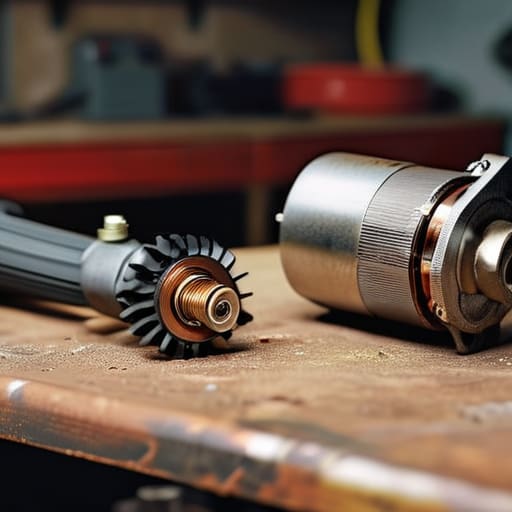
There’s nothing quite like being stuck in a sudden downpour, staring through a blur of water, and realizing your windshield wiper motor has finally decided to quit on you. I remember one night working on an old Civic in my dad’s garage; the rain was coming down in sheets, and every time I flicked the switch, I just heard that pathetic, dying click-click-click from under the cowl. It’s one of those moments where you feel completely stranded, and honestly, it’s exactly the kind of situation where a shady mechanic will try to charge you for a “complete wiper system overhaul” when all you really need is a single part and a socket set.
I’m not here to sell you on some complicated diagnostic software or tell you that you need a master technician to handle this. My goal is to show you how to actually diagnose the issue and swap out that motor yourself without getting ripped off. We’re going to skip the fluff and get straight to the real-world steps you need to follow to get your visibility back. If you’ve got a little patience and the right tools, you’ve got this.
Table of Contents
- Identifying Critical Windshield Wiper Motor Symptoms of Failure
- Listen Closely to These Warning Signs of a Faulty Wiper Motor
- Pro-Tips for Tackling the Wiper Motor Without Losing Your Mind
- The Bottom Line on Your Wipers
- ## The Reality of a Dead Wiper Motor
- Wrapping It All Up
- Frequently Asked Questions
Identifying Critical Windshield Wiper Motor Symptoms of Failure
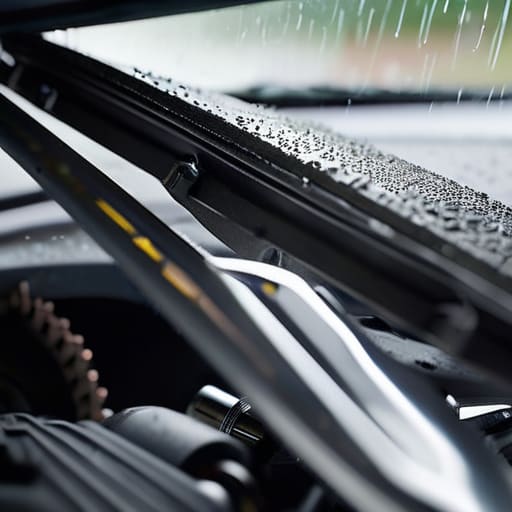
Before you go dropping a few hundred bucks at the shop, you need to figure out if the motor is actually dead or if something else is just acting up. The most obvious signs of a faulty wiper motor usually start with sound. If you flip that switch and hear a faint clicking or a low humming, but the blades aren’t moving, the motor is likely trying to work but can’t overcome the resistance. On the flip side, if you hear a loud, grinding noise, you might be looking at a stripped gear inside the unit or a mess-up in the wiper motor and linkage assembly.
Sometimes it’s not even a mechanical issue, but something electrical. If your wipers work intermittently—like they only kick in when you hit a bump—you’re probably dealing with a loose connection or a dying brush inside the motor. If they don’t move at all, you might need to dive into some automotive wiper motor electrical troubleshooting to see if the fuse blew or if the motor itself has finally given up the ghost. Just listen closely to what the car is telling you before you start tearing things apart.
Listen Closely to These Warning Signs of a Faulty Wiper Motor
One of the biggest mistakes I see people make is ignoring the sounds their car makes until it’s too late. If you start hearing a weird grinding or a high-pitched whining coming from behind your dashboard when you flip that switch, pay attention. That’s usually a sign that the internal gears are stripped or the motor is struggling to turn. Sometimes, you might even hear a faint clicking sound without any actual movement; that’s often a red flag that the motor is getting power but can’t physically move the arms.
If the movement seems sluggish or jerky, it might not be a mechanical jam in the wiper motor and linkage assembly. You should also keep an ear out for a complete silence. If you turn the wipers on and hear absolutely nothing, you’re likely looking at signs of a faulty wiper motor or a blown fuse. Before you go out and buy a whole new unit, I’d suggest doing some basic electrical troubleshooting to make sure the issue isn’t just a loose connection or a dead relay.
Pro-Tips for Tackling the Wiper Motor Without Losing Your Mind
- Check your fuses first. I’ve seen so many people shell out a hundred bucks for a new motor when all they actually needed was a 10-cent fuse that popped because of a tiny short.
- Don’t forget to grease the linkage. Sometimes it’s not the motor itself that’s dying, but the mechanical arms are just stuck because the old grease turned into literal glue. A little silicone spray goes a long way.
- Keep your workspace dry. If you’re working under the cowl, make sure you aren’t getting water or debris into the electrical connectors while you’ve got them unplugged.
- Use a multimeter to test for power. Before you go buying parts, hook up your meter to the connector to see if the motor is actually getting juice. If it is, then you know for a fact the motor is the culprit.
- Grab a magnetic parts tray. Seriously, I can’t tell you how many times I’ve lost a tiny 10mm bolt in the engine bay because I was trying to be “efficient” without one. Keep those bolts in one spot.
The Bottom Line on Your Wipers
Don’t wait for the rain to start before you check your wipers; if you hear grinding or see them lagging, the motor is already on its way out.
Most of the time, it’s not a massive mechanical failure—it’s usually just a dead motor or a blown fuse that you can swap yourself for a fraction of what a shop will charge.
Keep a basic socket set and a multimeter handy, because being able to test if the motor is actually getting power saves you from replacing parts you don’t need to.
## The Reality of a Dead Wiper Motor
“Look, a dead wiper motor isn’t some high-tech mystery that requires a specialized computer to solve; it’s usually just a worn-out part that’s finally given up the ghost. Don’t let a shop tell you it’s a massive electrical overhaul when, half the time, you just need a socket set and twenty minutes to swap it out yourself.”
Nikolai·Osterman
Wrapping It All Up
At the end of the day, if your wipers are stuttering, making a grinding noise, or just straight-up refusing to move when the rain starts coming down, you’ve got a problem that needs fixing before it becomes a safety issue. Whether it’s a blown fuse, a stripped linkage, or a completely dead motor, the key is to catch these symptoms early. Don’t wait until you’re driving through a downpour with zero visibility to realize something is wrong. Once you’ve identified if it’s a simple electrical hiccup or a mechanical failure, you’re already halfway to having the job done. Just remember to grab your magnetic parts tray and keep your connections clean while you’re swapping things out.
Look, I get it—opening up the trim and messing with electrical components can feel intimidating if you haven’t done it before. But honestly? Once you get that new motor bolted in and see those blades sweeping clear across the glass, you’re going to feel like a total pro. You don’t need to pay a shop three hundred bucks for a job that only takes an hour and a bit of elbow grease. Stop letting the fear of a little grease under your fingernails keep you away from the driver’s seat. You’ve got this, and your wallet will definitely thank you for taking control of your own maintenance.
Frequently Asked Questions
Do I really need to replace the whole motor if the wipers are just moving slow, or is it just a blown fuse?
Honestly, it’s rarely just a fuse. If a fuse blows, your wipers usually won’t move at all. If they’re just dragging or moving like they’re stuck in molasses, you’re likely looking at a dying motor or worn-out wiper linkage. Before you go buying a whole new motor, though, check your wiper blades and the linkage for gunk or physical resistance. If the hardware is clear, then yeah, that motor is probably on its last legs.
How can I tell if the problem is actually the motor itself and not just a busted wiper linkage or arm?
Look, this is where people usually get tripped up. If your wipers are moving super slow or making a grinding noise, that’s often the motor struggling. But if they’re moving at full speed and just aren’t hitting the glass right, or if they’re physically stuck in one spot despite the motor humming, you’re probably looking at a busted linkage or a loose arm. Pop the hood and feel for vibration; if the motor’s buzzing but nothing’s moving, it’s the linkage.
Is it worth trying to fix the motor, or am I better off just buying a new one from the parts store?
Look, I’ll be real with you: unless you’re just dealing with a loose connection or a blown fuse, don’t waste your weekend trying to rebuild the motor itself. These things are pretty sealed up, and trying to crack them open usually just leads to more headaches. Honestly? Just grab a new one. It’s a straightforward swap, and you’ll get way more peace of mind knowing it won’t quit on you mid-storm.
