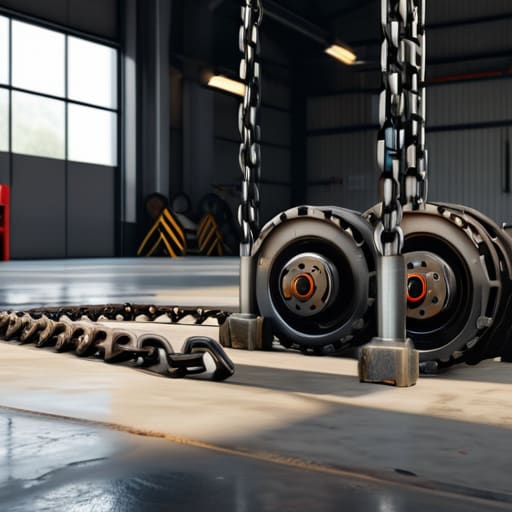
I still remember the first time I tried to swap a head on my old Civic without one. I was nineteen, covered in sweat and oil, trying to use a cheap, sketchy jack and some prayer to lift a heavy iron block. I nearly dropped the whole thing on my foot, and let me tell you, that was the exact moment I realized that a proper engine hoist isn’t some “luxury” item for professional shops—it’s a safety requirement for anyone with a pulse. Most people think you need to drop thousands on high-end industrial equipment to do a swap, but that’s just a way to bleed your wallet dry.
I’m not here to sell you on some overpriced, shiny tool that’ll sit in your garage collecting dust. Instead, I’m going to give you the straight truth on what you actually need to lift a motor without wrecking your back or your car. We’re going to look at weight capacities, stability, and which cheap options are actually worth the risk. If you’ve got the patience, I’ll show you how to pick the right gear so you can get the job done right the first time.
Table of Contents
Dont Get Hurt Mastering Automotive Lifting Safety
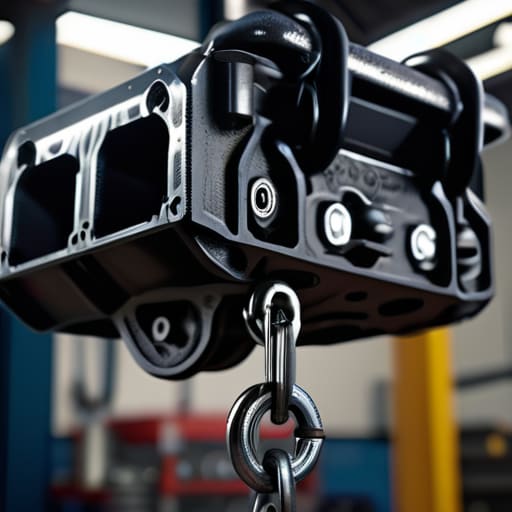
Look, I’ve seen too many guys try to play hero and end up in the ER because they ignored basic automotive lifting safety. When you’re dealing with a cast-iron block, there is zero room for error. Before you even think about hooking up your chains, you need to double-check your hydraulic shop crane capacity against the actual weight of that engine. If your manual says the block is 500lbs and your crane is rated for exactly 500, do yourself a favor and get a beefier unit. You never want to be running your gear at its absolute limit.
Also, don’t just assume the machine is going to stay steady on its own. I always make sure my floor is level and clear of any grease spills before I start the lift. If you’re using an engine hoist stand and accessories like swivel hooks or specialized slings, inspect them for any hairline cracks or frayed wires first. It’s not about being paranoid; it’s about making sure that when you’re under the hood, the only thing you’re worried about is the bolt you’re turning, not the heavy metal hanging above your head.
Choosing Heavy Duty Engine Lifting Equipment That Lasts Much Longer
Look, I’ve seen too many guys buy the cheapest crane they can find on a random auction site, only to have the welds groan the second they try to lift a heavy V8. If you want gear that won’t quit on you, you need to pay attention to the hydraulic shop crane capacity before you even pull out your wallet. Don’t just look at the maximum number on the sticker; look at the build quality. You want thick-walled steel and a base that actually feels planted, not something that wobbles like a shopping cart when the weight is centered.
Once you’ve got the main unit, don’t forget the supporting cast. A solid setup really depends on your engine hoist stand and accessories, like high-quality spreader bars or heavy-duty chains that won’t snap under tension. I always tell people: invest in the small stuff too. A cheap stand can ruin a perfectly good afternoon—or worse, drop a block right on your toes. If you’re buying heavy duty engine lifting equipment, aim for stuff that feels substantial in your hands. It’s about buying it once and buying it right.
Pro Tips for Not Wrecking Your Engine (or Your Garage)
- Check your chains before every single lift. I’ve seen guys try to pull a heavy block with a chain that looks fine but has micro-fractures or stretched links; one snap and that engine is coming down on your toes.
- Don’t just eyeball the balance. When you hook up your slings or chains, lift the engine just an inch or two off the mounts first to see how it sits. If it’s tilting crazy to one side, readjust before you go full tilt.
- Get yourself a solid engine stand to go with that hoist. A hoist gets the weight up, but a stand is what actually lets you work on the damn thing without it swinging around like a pendulum.
- Watch your clearance. I always forget how much room the hoist arms take up, and before you know it, you’re hitting the radiator or a fender. Plan your swing path before you start cranking the winch.
- Keep your hoist legs tucked. If you’re working in a tight garage, make sure those outriggers are fully extended and locked. A tipped hoist is a one-way ticket to a massive repair bill and a broken floor.
The Bottom Line on Lifting Right
Don’t cheap out on a flimsy hoist just to save twenty bucks; a low-quality piece of gear is a recipe for a smashed engine or a trip to the ER.
Always double-check your weight limits and your lifting points before you even think about pulling the trigger on that hoist.
Invest in equipment that feels solid and stays steady, because the last thing you want is a heavy block swinging wildly while you’re mid-repair.
## The Real Cost of Cutting Corners
“I’ve seen guys try to save a few bucks by using a cheap, sketchy hoist that wasn’t rated for the job, and let me tell you—that’s how you end up with a crushed engine, a broken frame, or a trip to the ER. If you’re going to lift something heavy, buy the gear that actually holds, because no amount of money is worth your safety.”
Nikolai·Osterman
Wrapping It All Up
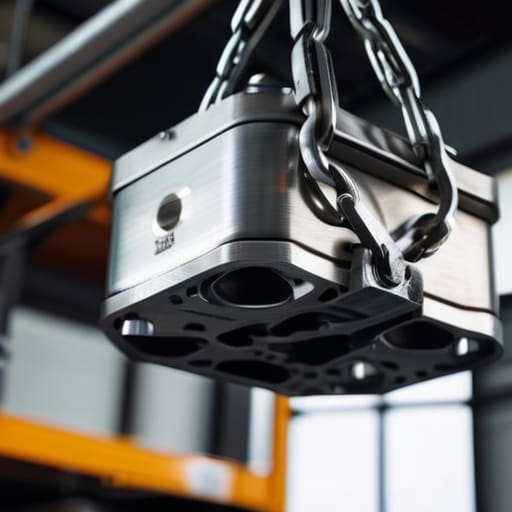
Look, picking out an engine hoist isn’t just about finding the cheapest piece of steel on the internet. You’ve gotta weigh the lifting capacity against the actual footprint it’ll take up in your garage, and you absolutely cannot skip out on the safety checks. Whether you’re going with a shop-grade hydraulic crane or a more compact stand for a smaller project, the goal is the same: stability and reliability. If you invest in decent, heavy-duty gear and actually follow the safety protocols we talked about, you’re going to save yourself a massive amount of headache—and potentially a trip to the ER—when that block finally breaks free from the mounts.
At the end of the day, having this kind of equipment in your workspace changes the game. It turns a “maybe someday” project into something you can actually tackle on a Saturday afternoon. I know it feels intimidating when you’re staring at a heavy hunk of iron, but once you get the right hoist and a little bit of confidence, you realize that you’re in control. Don’t let the fear of a heavy lift keep you from finishing that build or fixing that daily driver. Just take it slow, use the right tools, and keep turning wrenches. You’ve got this.
Frequently Asked Questions
My garage floor is just thin concrete; is there a risk of the hoist cracking it when I'm lifting a heavy block?
Yeah, that’s a valid concern. If your concrete is thin or old, a heavy engine plus the weight of the hoist can definitely cause cracking or even a blowout. I’ve seen it happen in some of the older home garages I’ve worked in. If you’re worried, try to position the hoist over a structural part of the floor, like near a wall or a beam, or grab some heavy-duty plywood to spread that load out.
Do I really need a hydraulic shop crane, or can I get away with a cheaper manual hoist for smaller inline-four engines?
Look, if you’re just swapping out a small inline-four, you don’t need to drop a fortune on a high-end hydraulic shop crane. A basic manual hoist will get the job done, provided you actually check the weight rating first. Don’t get cheap and buy something that barely clears your engine’s spec. Just make sure the wheels are solid and the hydraulics don’t leak halfway through the lift. For small engines, manual is fine.
How do I know if my engine chains and lifting straps are actually rated for the weight I'm pulling, or if they're just gonna snap?
Look, don’t just guess. Check the tags. Every decent chain or strap has a Working Load Limit (WLL) stamped or sewn right onto it. If that tag is missing or unreadable, toss it in the scrap bin—it’s a death trap. You also need to account for the “dynamic load.” If the engine shifts or jerks while you’re lifting, that weight spikes instantly. If your engine is 400lbs, don’t use gear rated for exactly 400. Get a buffer.
