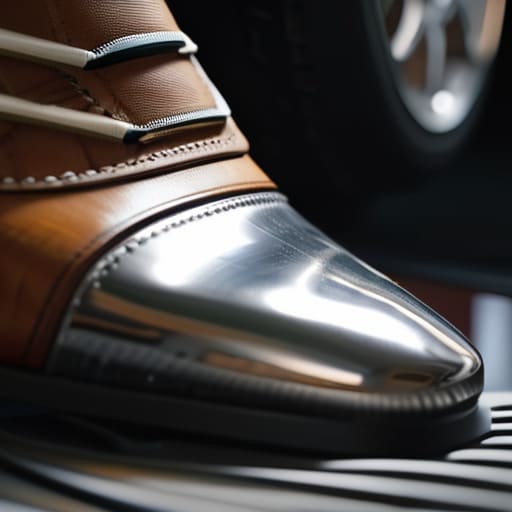
I remember being elbow-deep in a greasy engine bay last Tuesday, listening to a customer complain that they needed a whole new transmission because their pedal felt “off.” It’s the same story every time I’m at the shop: someone feels a slight change in their clutch pedal feel and immediately assumes they’re looking at a five-figure repair bill. Honestly, it drives me nuts how mechanics will try to upsell you a total overhaul when the actual issue is usually something as simple as a worn-out slave cylinder or just some old fluid that’s seen better days.
Look, I’m not here to give you a lecture or sell you on parts you don’t need. I’ve spent enough time under cars to know that most of the time, you just need to identify the specific sensation you’re getting to figure out the culprit. In this post, I’m going to break down exactly what that mushy, heavy, or vibrating feeling means in plain English. I’ll show you how to diagnose the problem yourself so you can stop getting ripped off and get back on the road with confidence.
Table of Contents
Spotting Clutch Master Cylinder Failure Symptoms Early

If you start noticing your clutch pedal travel distance getting shorter or more inconsistent, that’s usually your first red flag. One day it’s fine, and the next, you’re barely moving your foot before the gears engage. If you feel any weird resistance—or worse, a total lack of it—that’s a classic sign that the internal seals in your master cylinder are starting to give out. I’ve seen plenty of guys ignore this until they’re stuck at a red light unable to shift into gear, and trust me, that’s a headache you don’t want.
Keep a close eye on the floor mat, too. If you see any oily residue or dampness near the base of the pedal assembly, you’re likely looking at a leak. This is one of those critical clutch master cylinder failure symptoms that people always miss until it’s too late. Once that hydraulic pressure drops, you’re basically just pushing air around. Don’t wait for it to go completely limp; catching a leak early might save you from a much more expensive headache down the road.
The Truth About Clutch Pressure Plate Wear
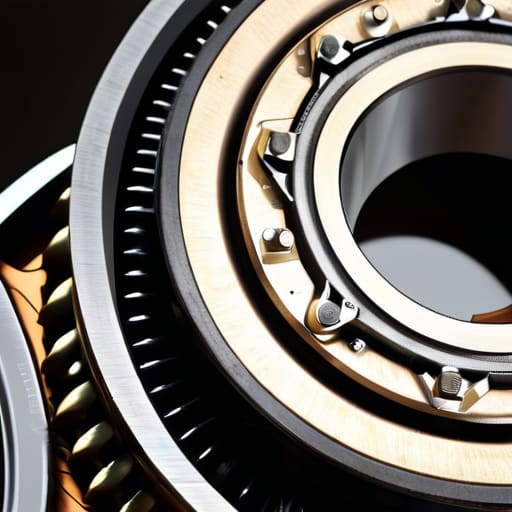
Now, if you’ve ruled out the hydraulics, you’re probably looking at the mechanical side of things. This is where we talk about clutch pressure plate wear. Think of the pressure plate as the heavy-duty spring that keeps your clutch disc clamped tight against the flywheel. Over time, those metal “fingers”—the diaphragm spring—start to lose their tension or even get unevenly worn down. When that happens, you won’t just notice a weird sensation; you’ll see a massive change in your clutch pedal travel distance.
It usually feels like you have to bury the pedal into the floorboard just to get the car to stop slipping, or conversely, it might feel like it’s engaging way too high up. If you’re feeling a rhythmic vibration or a “chatter” every time you take off from a stoplight, that’s a huge red flag. It means the plate isn’t making even contact anymore. It’s a much bigger job than swapping a cylinder, but honestly, getting ahead of it is better than being stranded in a parking lot with a car that won’t shift.
5 Ways to Tell if Your Clutch is Actually Dying
- Listen for the “chatter.” If your car shudders or vibrates like crazy when you’re trying to pull away from a stoplight, your clutch disc is likely uneven or worn down to the rivets. It’s not just annoying; it’s a sign you’re wearing down your input shaft.
- Watch for the “slip.” If you hit the gas and the RPMs jump up but the car doesn’t actually speed up right away, your clutch is slipping. It’s basically just friction at that point, and you’re burning money every time you drive it like that.
- Check your floorboard. If you notice any oily residue or wetness around the clutch pedal linkage inside the cabin, that’s a massive red flag. It usually means your master cylinder seal has given up the ghost, and you’re about to be stranded.
- Feel the “travel distance.” A healthy clutch should have a consistent, predictable engagement point. If you suddenly have to mash the pedal all the way to the floor just to get it to disengage, something is definitely wrong with the hydraulics or the pressure plate.
- Don’t ignore the noise. If you hear a grinding or squealing sound specifically when you press the pedal down, it’s often the throw-out bearing. It’s a relatively straightforward fix, but if you ignore it, it can end up damaging the whole assembly.
The Bottom Line on Your Clutch
Don’t ignore a changing pedal feel; if it starts feeling spongy or gets harder to press, your car is trying to tell you something before it leaves you stranded.
Most “weird” pedal issues come down to either a hydraulic leak in the master cylinder or a worn-out pressure plate, so figure out which one it is before you start throwing money at parts you don’t need.
You don’t always need a massive repair bill—sometimes it’s just a matter of bleeding the lines or replacing a single seal, so take a second to diagnose the actual symptom first.
Listen to the pedal
Your clutch pedal talks to you long before it actually dies; if it starts feeling spongy or won’t spring back like it used to, don’t just ignore it and hope it goes away—that’s usually your car’s way of telling you a simple fix is about to turn into a massive headache.
Nikolai·Osterman
Don't Let a Mushy Pedal Scare You Off
Look, at the end of the day, a weird feeling in your clutch pedal usually boils down to a few specific culprits. Whether it’s a leaking master cylinder that’s losing pressure, air trapped in the lines, or a pressure plate that’s finally seen better days, the symptoms are almost always telling you something. You don’t need to guess or let a shop tell you that you need a whole new transmission just because the pedal feels off. Most of the time, it’s just about identifying the specific component that’s failing and getting the right tools to swap it out. Once you know how to distinguish between a simple hydraulic fix and actual mechanical wear, you’re already ahead of most drivers.
I know it can feel intimidating when you first get under the car and see all those lines and bolts, but honestly, don’t let the complexity stop you. Every time I work on one of my vintage tuners, I’m reminded that these machines aren’t magic—they’re just engineering. If you take it one step at a time and keep a bit of patience, you’ll get it sorted. You’ve got this, and before you know it, that pedal is going to feel crisp and responsive again. Just keep your tools handy and keep learning.
Frequently Asked Questions
Is it possible to just bleed the clutch lines myself to fix a spongy pedal, or is that a sign something is actually broken?
Look, you can definitely try bleeding the lines yourself—it’s a basic maintenance task and a good way to rule out air in the system. If a quick bleed fixes the sponginess, you’re golden. But if you bleed it and the pedal goes soft again within a few days, stop messing around. That’s a tell-tale sign you’ve got a leak or a failing seal. Don’t just keep chasing air; find the actual break.
How can I tell if the problem is just a worn-out slave cylinder versus something more expensive like the actual clutch disc?
Here’s the quick way to tell: if your pedal feels spongy or stays stuck to the floor, you’re likely looking at a slave cylinder—it’s usually just a seal leaking or a hydraulic issue. But, if you’re feeling heavy resistance, hearing a weird grinding noise, or the car is shuddering when you let the pedal out, that’s your clutch disc or pressure plate talking. One is a fluid problem; the other is a mechanical one.
If my pedal is sticking to the floor, am I going to get stranded mid-drive, or can I limp it home to the shop?
Look, if your pedal is sticking to the floor, you’re playing a dangerous game. It’s a massive red flag that your hydraulic system is failing, and honestly? It could give out completely at a stoplight or mid-turn. If you absolutely have to move it, keep it to short, low-speed trips and avoid heavy traffic. But if I were you, I’d call a tow. It’s way cheaper than a roadside breakdown or a total loss of control.
