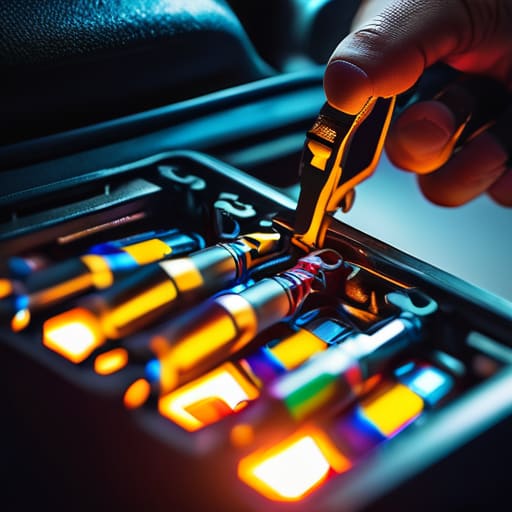
You know that sinking feeling when your radio cuts out, your interior lights die, or your heated seats suddenly decide they’re retired, and you immediately assume it’s some massive, expensive electrical nightmare? Most shops will try to charge you a fortune just to look at it, but here’s the truth: nine times out of ten, you aren’t looking at a dead computer module, you’re just looking at a blown fuse. I remember working on my dad’s old sedan last summer; he thought the whole dash was fried, but a quick bit of fuse box repair saved us a massive headache and a whole lot of wasted cash.
I’m not going to give you some textbook lecture or tell you to go buy a $500 diagnostic scanner. I’m going to show you how to actually trace the problem using basic tools you probably already have in your junk drawer. We’re going to walk through identifying the culprit, pulling the right fuses without snapping the plastic, and making sure you don’t accidentally cause a short while you’re at it. This is about getting back on the road without getting ripped off, one simple connection at a time.
Table of Contents
- Step-by-Step Instructions
- Spotting Blown Fuse Symptoms Before They Leave You Stranded
- Mastering Automotive Electrical Troubleshooting Without a Mechanics Degree
- Pro Tips to Keep Your Electrical System From Going Haywire
- The Bottom Line on Your Fuse Box
- ## The Truth About Electrical Gremlins
- Don't Let a Little Spark Scare You Off
- Frequently Asked Questions
Guide Overview
Tools & Supplies
- Voltage tester to ensure power is off
- Screwdriver set for terminal screws
- Flashlight for visibility inside the panel
- Replacement fuses or circuit breakers matching exact amperage
- Electrical tape for insulating any exposed wires
Step-by-Step Instructions
- 1. First things first, you gotta make sure you aren’t working on a live circuit. Kill the engine, pull the key, and if you’re working on anything major, disconnect the negative battery terminal. I’ve seen too many guys accidentally spark something they shouldn’t because they were in a rush, and trust me, that’s a headache you don’t need.
- 2. Next, grab your owner’s manual and find the fuse box diagram. Most cars have one tucked under the dash or sitting right in the engine bay, usually under a plastic cover. Don’t just start pulling things out blindly; you need to match the symbol on the fuse to the one in the manual so you actually know which circuit you’re messing with.
- 3. Now, pop the cover off and get your fuse puller—or if you’re like me and lost yours, a pair of needle-nose pliers will do. Look for the fuse that looks burnt or has that little metal bridge snapped inside. If it looks clear and the wire is intact, the fuse isn’t your problem, and you might be looking at a deeper wiring issue instead.
- 4. Once you’ve identified the dead fuse, pull it straight out. This is where my magnetic parts tray comes in handy, because if you’re working in a cramped footwell, you don’t want that little guy rolling under your seat. Hold it up to the light to confirm it’s actually blown before you go buying replacements.
- 5. Grab a new fuse that matches the exact same amperage as the old one. You’ll see numbers like 10, 15, or 20 printed on the top of the plastic. Whatever you do, do not put a 20-amp fuse in a slot meant for a 10-amp. If you do that, you’re basically turning your wiring harness into a heater, and that’s how you end up with a much more expensive repair.
- 6. Slide the new fuse into the slot and make sure it’s seated firmly. Give it a little wiggle to ensure it’s got a solid connection. Once it’s in, put the cover back on, reconnect your battery, and fire the car up to see if your lights or radio are finally back in action.
- 7. If the new fuse pops the second you turn the key, stop immediately. That means you don’t just have a bad fuse; you’ve got a short circuit somewhere in that line. At that point, you’ll need to start tracing the wires for any signs of fraying or melted insulation, or it might be time to call in a pro.
Spotting Blown Fuse Symptoms Before They Leave You Stranded
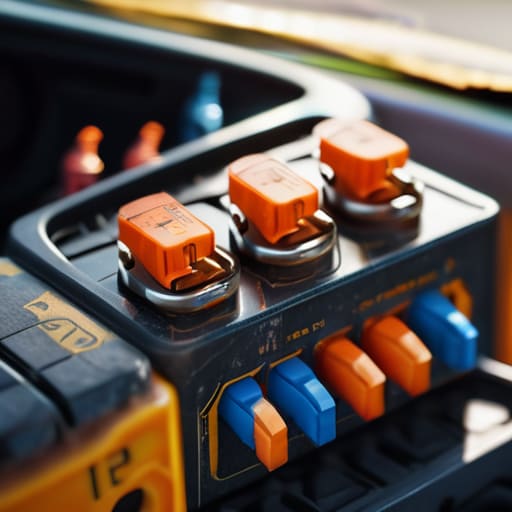
You don’t always need a diagnostic scanner to know something is off; usually, your car starts acting weird long before it actually dies on you. One of the most common blown fuse symptoms is a sudden, localized death of a specific component. Maybe your radio cuts out mid-song, or your power windows suddenly feel like they’ve gone on strike. If a single accessory stops working while everything else stays normal, you’re likely looking at a single circuit that’s bit the dust.
The tricky part is when things get intermittent. If your headlights flicker or your dash lights dance around when you hit a bump, you might be dealing with something more complex than a simple fuse. This is where automotive electrical troubleshooting gets a bit more involved. You have to figure out if it’s just a loose connection or if you’re actually dealing with a circuit breaker vs fuse situation where a component is constantly tripping due to a short. Pay attention to these little glitches—they’re your car’s way of telling you to check the box before you’re stuck on the shoulder of a highway.
Mastering Automotive Electrical Troubleshooting Without a Mechanics Degree
Look, you don’t need to spend four years in a classroom to figure out why your radio just died mid-song. Most people see a dead component and immediately think the whole system is fried, but that’s usually just panic talking. When you’re diving into automotive electrical troubleshooting, the trick is to stop guessing and start tracing. Before you start ripping wires out, grab your owner’s manual to find the fuse box location guide for your specific make and model. It sounds basic, but I’ve seen guys spend an hour hunting for a panel that was literally right under the driver’s side dash the whole time.
Once you’ve found the box, don’t just play “musical chairs” with fuses from different circuits. That’s a quick way to fry something expensive. Instead, get comfortable testing fuses with a multimeter. A simple continuity test will tell you instantly if that little metal bridge inside is actually broken or if you’re dealing with a deeper wiring issue. If you find yourself staring at a mess of colors and can’t make sense of it, pull up a digital automotive wiring diagram on your phone. It’s basically a map for your car’s nervous system, and it’ll save you a massive headache.
Pro Tips to Keep Your Electrical System From Going Haywire
- Stop using jumper wires to bypass a fuse. I’ve seen guys try to “fix” a blown fuse with a piece of wire just to get home, but all that does is turn a cheap fuse into a melted wiring harness or a dead ECU. If it blew, there’s a reason.
- Always double-check the amperage. Don’t just grab the nearest fuse because it fits the slot. If your manual calls for a 15-amp and you shove a 30-amp in there, you aren’t “fixing” anything—you’re just waiting for something expensive to catch fire.
- Keep a spare set of fuses in your glovebox or that magnetic tray I’m always carrying. There is nothing worse than being stuck in a parking lot at night because your radio or headlights decided to quit, and you don’t have a replacement handy.
- Look for the “why” behind the pop. If you replace a fuse and it blows again immediately, stop messing around. You’ve got a short circuit somewhere in that line, and you need to trace the wire before you keep burning through fuses like they’re candy.
- Use a fuse puller, not your fingernails or a pair of needle-nose pliers if you can help it. You don’t want to be digging around in a cramped, plastic fuse box and accidentally snapping the housing or bending the pins. It’s a five-dollar tool that saves a lot of headache.
The Bottom Line on Your Fuse Box
Don’t let a dead radio or a dim headlight freak you out; nine times out of ten, it’s just a single cheap fuse that bit the dust, not some massive electrical failure.
Get yourself a decent multimeter and a cheap fuse puller—having the right tools stops you from fishing around with screwdrivers and accidentally shorting something else out.
If you swap a fuse and it pops again immediately, stop messing around and find the actual short in the circuit, otherwise you’re just wasting money and time.
## The Truth About Electrical Gremlins
“Most people see a dead headlight or a wonky radio and think their car is dying, but half the time, it’s just a two-dollar piece of plastic that gave up the ghost. Don’t let a shop charge you a hundred bucks an hour just to find something you could’ve solved with a single fuse puller and five minutes of your time.”
Nikolai·Osterman
Don't Let a Little Spark Scare You Off
At the end of the day, fixing a fuse box isn’t some dark art reserved for guys in lab coats. We’ve covered how to spot the symptoms before you’re stuck on the shoulder of a highway, how to use a multimeter to actually see the problem, and how to swap out those blown fuses without turning your entire dashboard into a mess. Just remember: always double-check your diagram, never, and I mean never, use a wire to jump a circuit, and make sure you’re replacing a fuse with the exact same amperage. If you follow those steps, you’ve already done more than most drivers ever bother to do.
I know it can feel intimidating when you first pop that cover and see a maze of wires and plastic, but I promise you, it’s manageable. Every time you solve a problem like this yourself, you’re taking a piece of control back from the shops that want to charge you three hundred bucks for a ten-cent part. Keep that magnetic tray handy, stay patient, and trust your gut. You’ve got the tools and you’ve got the knowledge now. Go get it done.
Frequently Asked Questions
If I replace a fuse and it blows again immediately, does that mean I've got a short in the wiring?
Yeah, you hit the nail on the head. If that new fuse pops the second you turn the key, you’ve definitely got a short circuit. The fuse is doing its job—it’s sacrificing itself to stop the wiring from melting or starting a fire. Don’t just keep throwing fuses at it; you’re wasting money. You need to trace the circuit and find where the insulation is rubbed raw or where a wire is touching metal.
Can I use a fuse with a higher amperage rating if I can't find the exact match in my kit?
Absolutely not. Don’t even think about it. I’ve seen guys try to “up” a fuse because they’re too lazy to run to the parts store, and that’s how you end up melting your wiring harness or starting a fire. A fuse is there to be the weakest link for a reason. If you can’t find the exact amperage, stop. Don’t risk your car’s electrical system just to save a twenty-minute trip.
How do I tell if the actual fuse box housing is melted or damaged versus just having a bad fuse?
Look, if it’s just a bad fuse, everything’s going to look normal once you pull the cap. But if you see any discoloration, charring, or—worst case—the plastic looks like it’s actually slumped or bubbled, you’re dealing with a melted housing. That usually means a loose connection or a short created way too much heat. If the socket itself looks toasted, don’t just swap the fuse; you’ve got a bigger electrical issue on your hands.
