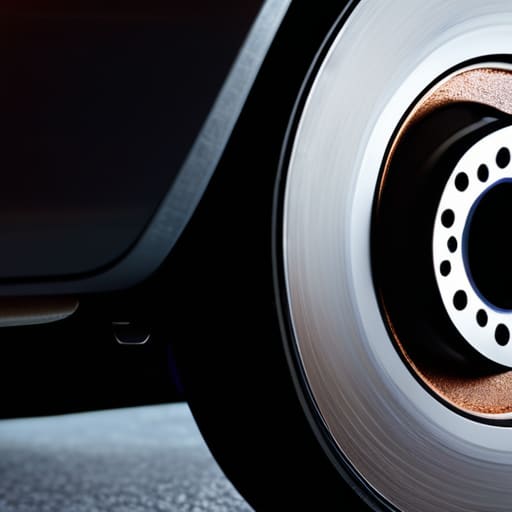
I remember sitting in my dad’s garage last summer, working on an old Silvia, when that high-pitched, ear-piercing screech hit me every time I tapped the pedal. My first instinct wasn’t to panic about a total system failure, but to reach for my magnetic parts tray and get to work. Most people hear that sound and immediately think they need to drop a thousand bucks at a dealership for a “complete brake overhaul,” but that’s usually just a total scam. Most of the time, brake pad noise is just your car’s way of telling you a specific part is worn down, and it’s rarely as catastrophic as the service advisors want you to believe.
I’m not here to give you some textbook lecture or tell you to buy expensive diagnostic computers. I’ve spent enough hours covered in grease to know that you can figure this out with a basic jack and a little bit of patience. My goal is to cut through the nonsense and show you exactly how to identify what that sound is actually telling you. I’ll walk you through the real causes of that grinding or squealing so you can fix it yourself without getting ripped off.
Table of Contents
Why Do Brakes Squeak When You Just Want Peace
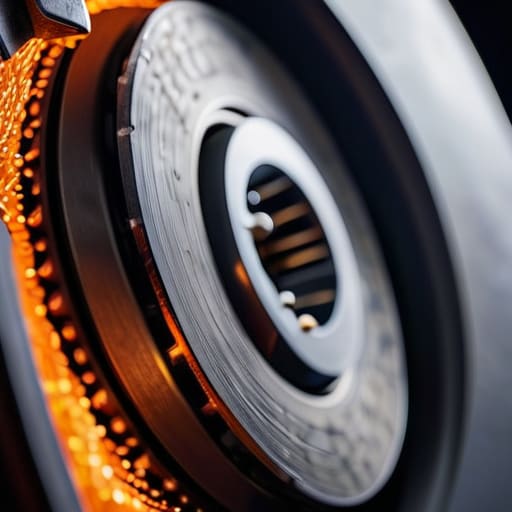
Look, I get it. You’re cruising down the highway, music up, and suddenly there’s this high-pitched chirp every time you hit the pedal. It’s annoying, but honestly, it’s usually your car’s way of talking to you. Most of the time, that sound is just a built-in warning. A lot of pads have these tiny metal tabs called wear indicators. When the friction material gets too thin, that tab scrapes against the disc to let you know it’s time for a brake pad replacement. It’s not a disaster; it’s just a heads-up.
Sometimes, though, it’s a bit more annoying than a simple warning. If you’ve been neglecting your car, you might just be dealing with heavy brake dust buildup trapped between the components. It sounds minor, but that grit can cause some nasty vibrations. On the flip side, if the sound is more of a grinding or a heavy shudder, you might be looking at actual brake rotor damage symptoms. If you ignore the squeak for too long, you’re going to end up spending way more at the shop than you would have if you’d just swapped the pads when they first started acting up.
Spotting the Real Brake Pad Replacement Signs Before They Cost You
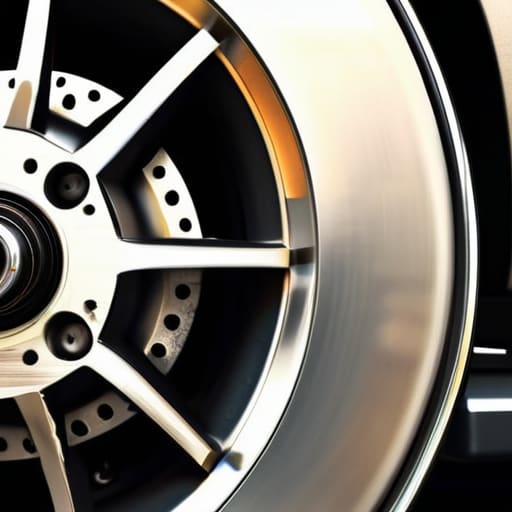
You don’t always have to wait for that high-pitched scream to know something is up. One of the first brake pad replacement signs I usually see in the shop is a subtle vibration through the pedal when you’re slowing down. If the steering wheel starts shaking or the pedal feels “pulsy,” you’re likely dealing with uneven wear or some serious brake rotor damage symptoms. Don’t just ignore it thinking it’ll go away; that’s how a cheap pad swap turns into a much more expensive job.
Keep an eye on your wheels, too. While a little bit of dark soot is normal, an insane amount of brake dust buildup can sometimes point to pads that are wearing down way faster than they should. Also, if you feel the car pulling to one side when you brake, you might be looking at brake caliper issues rather than just the pads themselves. If you catch these things early during a quick visual check, you can save yourself a massive headache and a much larger bill at the mechanic.
5 Ways to Stop the Squeal Without Getting Ripped Off
- Check your wear indicators first. Most pads have a little metal tab that scrapes against the rotor when the material gets low—it’s designed to make that annoying chirping sound to warn you. If you hear it, don’t ignore it; just get some new pads before you ruin the rotors.
- Don’t just slap new pads on and call it a day. If you’re doing this yourself, make sure you clean the caliper slide pins and apply some high-temp brake grease to the contact points. If those pins get stuck, your brakes will drag and start squealing all over again.
- Watch out for cheap, low-quality pads. I’ve seen guys try to save twenty bucks on some generic brand from a big-box store, but those often have metal shavings in the compound that scream every time you touch the pedal. Stick to decent ceramic or semi-metallic pads.
- Keep an eye on your rotors. If you’ve been hearing a rhythmic grinding or a wobble while braking, your pads might be fine, but your rotors are likely warped or scored. You can’t just put new pads on a beat-up rotor and expect silence.
- Dust is a silent killer. Sometimes that high-pitched squeak is just a buildup of brake dust and road grime trapped between the pad and the piston. A quick blast with some brake cleaner can sometimes solve the problem, but if it keeps coming back, you’ve got a deeper issue.
The Bottom Line on Your Brakes
Don’t ignore that high-pitched squeal; it’s usually just your wear indicators doing their job to tell you the pads are getting thin.
If you start feeling a pulsing or vibration in the pedal, stop ignoring it—that’s a sign your rotors are warped and need attention.
Most of the time, you don’t need a massive shop bill to fix this; if you’ve got a basic jack and some decent tools, you can swap these out yourself and save a ton of cash.
## Listen to the Metal
“That high-pitched squeal isn’t just an annoying sound; it’s your car literally begging you to stop ignoring it. Don’t wait until you’re hearing metal grinding on metal, because by then, you aren’t just replacing pads anymore—you’re paying for new rotors, too.”
Nikolai·Osterman
Don't Let the Noise Get to You
Look, at the end of the day, that squealing or grinding isn’t a death sentence for your car; it’s just your vehicle trying to talk to you. We covered how a little bit of high-pitched chirping usually just means your wear indicators are doing their job, and how a heavy grinding sound is a much more serious signal that you’re hitting metal-on-metal. Whether it’s just a bit of dust in the calipers or your pads being completely shot, the goal is the same: identify the sound early so you aren’t staring at a massive repair bill for new rotors later. If you’ve been paying attention to those signs we talked about, you’re already ahead of 90% of the drivers on the road.
I know it can feel intimidating when you hear something weird coming from under the chassis, but don’t let it shake your confidence. Most of the time, it’s a straightforward fix that just requires a decent jack, a few sockets, and a little bit of grit and patience. You don’t need to be a master technician to take control of your own maintenance and stop letting shops overcharge you for the simple stuff. Grab your tools, trust your ears, and just remember that you’ve got this.
Frequently Asked Questions
Is that grinding sound actually the metal rubbing, or just a weird noise from the sensors?
Look, if it’s a high-pitched squeal, that’s usually just the wear indicator sensor doing its job—it’s basically a built-in alarm telling you pads are getting thin. But if you’re hearing a heavy, rhythmic grinding, that’s a different story. That’s metal-on-metal. It means your pads are likely gone and you’re chewing into the rotors. Don’t ignore a grind; that’s not a sensor, that’s your stopping power disappearing in real-time.
Can I just use some brake cleaner to stop the squeaking, or is that a waste of time?
Look, I get the temptation—it’s cheap and easy. If the squeak is just caused by some light dust or road grime buildup, a quick spray of brake cleaner might quiet it down for a bit. But honestly? Most of the time, it’s a waste of money. If your pads are actually worn down to the metal, no amount of cleaner is going to fix that. You’re just spraying expensive liquid on a mechanical problem.
How do I know if I can wait another month to fix them, or if I need to pull over right now?
Look, here’s the deal: if it’s just a light squeal when you tap the pedal, you’ve usually got a little breathing room to schedule a fix next month. But if you feel a heavy vibration in the pedal, hear a grinding metal-on-metal sound, or the car pulls to one side when you brake? Stop driving. That’s not a “wait and see” situation—that’s a “pull over before you ruin your rotors or lose control” situation.
