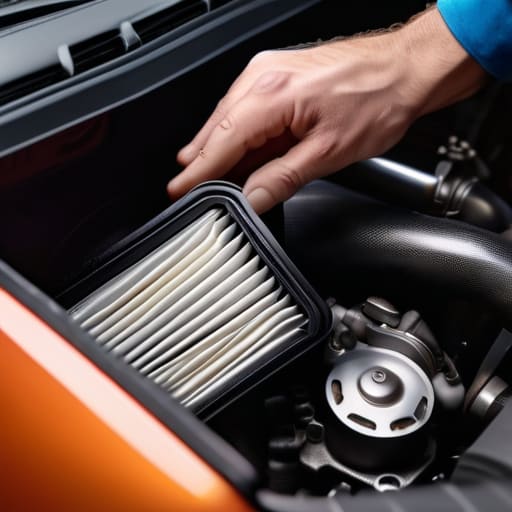
I remember watching my dad pull a used filter out of an old Corolla last summer, and it looked less like a car part and more like a clump of wet lint. He just laughed and told me that most shops would charge you fifty bucks just to touch that plastic housing, even though it takes about two minutes to do yourself. Honestly, it kills me when I see people getting hit with “maintenance fees” for a simple air filter change that they could’ve handled in their own driveway during a lunch break. You aren’t paying for expertise here; you’re just paying for someone else’s convenience.
I’m not here to give you some textbook lecture or a list of fancy tools you don’t actually need. My goal is to show you exactly how to spot a dying filter and swap it out without breaking a sweat or emptying your wallet. I’ll walk you through the process step-by-step, from popping those clips to making sure your engine is finally getting the clean air it actually deserves. Let’s get under the hood and stop wasting your money.
Table of Contents
Guide Overview
Tools & Supplies
- Screwdriver (if housing requires screws)
- Flashlight (to inspect filter slot)
- Replacement air filter (1 unit)
- Microfiber cloth (1 unit)
Step-by-Step Instructions
- 1. First things first, find a flat spot to park and pop the hood. You don’t need a lift for this, but I always recommend turning off the engine and making sure everything is cool to the touch so you don’t burn your fingers on the housing.
- 2. Locate your airbox. Depending on what you’re driving, it’ll be a big black plastic box sitting somewhere near the top of the engine bay. Most of them are held down by simple metal clips or a couple of screws, so just unclip the housing or use a screwdriver to back those fasteners out.
- 3. Once the clips are loose, lift the lid up carefully. You might see a bunch of leaves or grit sitting on top of the old filter—don’t just let that fall into your engine. Use a vacuum or a can of compressed air to clear out any debris from the bottom of the box before you even touch the filter itself.
- 4. Reach in and pull the old filter out. It’s going to look pretty gross—probably gray, dusty, or even oily if you’ve been pushing it too hard. Take a second to inspect the housing for any cracks or loose rubber seals; if the box itself is broken, a new filter won’t do squat.
- 5. Grab your new filter and check the shape. It might look identical to the old one, but you want to make sure it’s the exact right fit for your specific year and model. Line it up with the tracks inside the airbox so it sits perfectly flat; if it’s crooked, you’re just sucking in unfiltered air.
- 6. Drop the lid back onto the housing and line up those clips or screws again. You want to make sure the seal is completely tight so no “unauthorized” dust gets a chance to bypass the filter. Give the box a little wiggle to ensure everything feels secure and seated properly.
- 7. Close the hood and give the engine a quick start. It should sound a little smoother, or at least not struggle like it was gasping for breath. If you hear any weird whistling, pop the hood again and double-check your clips—you probably didn’t seat the lid right.
Spotting Dirty Air Filter Symptoms Before They Cost You
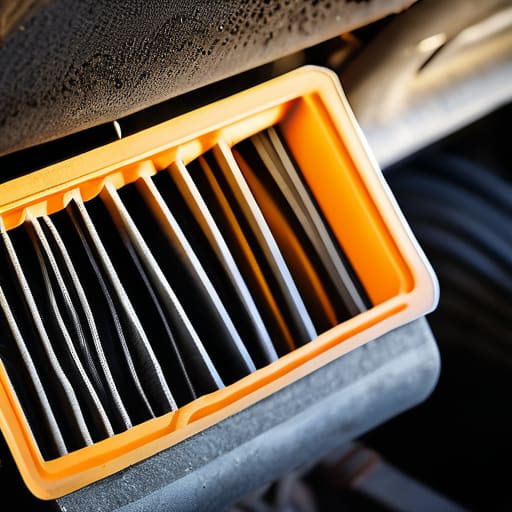
You don’t always have to wait for a dashboard light to tell you something is wrong. Most of the time, your car will start giving you subtle hints that it’s struggling to breathe. One of the biggest dirty air filter symptoms I see in the shop is a noticeable hesitation when you hit the gas. If you press down and the car feels sluggish or “bogged down,” it’s usually because the engine is choking on dust and debris. You might also notice your idle feeling a bit rough or inconsistent, which is just your car’s way of saying it’s working way too hard for very little reward.
Another thing to watch for is a sudden drop in your gas mileage. When that filter gets clogged, your engine has to compensate, which directly hits your fuel efficiency and air filters balance. If you’re finding yourself hitting the gas pump more often than usual for no clear reason, check that intake box. It’s not just about keeping the engine clean; it’s about making sure you aren’t literally burning money because of a ten-dollar part that’s been sitting there for a year.
How Often to Replace Air Filters Without Guessing
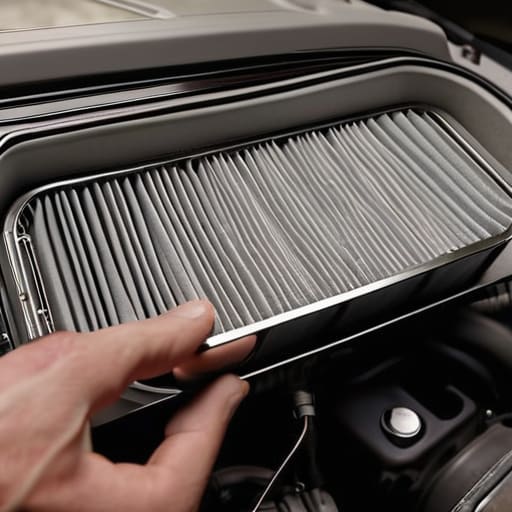
Look, most people just wait until their car starts acting like a jerk before they check anything, but that’s a mistake. If you’re asking how often to replace air filters, the standard answer is every 12,000 to 15,000 miles, but that’s just a baseline. If you live somewhere with heavy construction, dusty dirt roads, or even just a lot of pollen in the spring, your filter is going to clog way faster. I always tell people to just pull the cover off and take a peek once a season. It takes two minutes and saves you from a massive headache later.
Don’t get caught in the trap of thinking all filters are created equal, either. When you’re shopping, you’ll see different replacement filter types, like standard paper ones or those high-flow reusable ones. If you’re just commuting to work, stick to the standard paper—they’re cheap and they do the job. But if you’re chasing a bit of engine performance improvement or you’re working on one of my vintage tuner projects, a high-flow option might be worth the extra cash. Just don’t overthink it; a clean filter is always better than a fancy one that’s clogged with grit.
Pro Tips to Keep Your Engine Breathing Easy
- Don’t just eyeball it—take the old filter into the sunlight. If you see a thick layer of gray grime or debris packed into the pleats, it’s time to toss it. Light passing through the material is the easiest way to tell if it’s shot.
- Check the airbox housing while you’re in there. I’ve seen plenty of leaves, pebbles, and even small rodent nests sitting in the bottom of the plastic box. Clear that junk out so it doesn’t get sucked into your intake.
- Avoid the temptation to use compressed air to “clean” a paper filter. I know it looks tempting to just blow the dust out, but you’ll end up tearing the microscopic fibers that actually do the work. Once it’s dirty, just replace it.
- Make sure the seal is seated perfectly. If that rubber gasket isn’t sitting flush in the housing, your engine is going to suck in “unfiltered” air from the gaps. That’s a fast track to engine wear you definitely don’t want.
- Keep a spare filter in your glovebox if you live somewhere dusty or near a construction site. If you notice your MPG dropping or the car feeling sluggish, you can swap it out on the fly instead of waiting for a service light to come on.
The Bottom Line on Keeping Your Air Clean
Don’t wait for a dashboard light or a sluggish engine to act; if the filter looks like a dust bunny’s nest, just swap it out.
You don’t need fancy tools for this—if you can open a clip or turn a simple screw, you can do this job in five minutes.
Save your money for the stuff that actually matters, like tires or oil, by handling this basic maintenance yourself instead of paying a shop’s labor rate.
## The Real Cost of Neglect
Look, a mechanic is gonna charge you fifty bucks just to pull a piece of cardboard out of a plastic box, but if you don’t do it, you’re basically asking your engine to breathe through a straw. Don’t let a ten-dollar part kill your fuel economy.
Nikolai·Osterman
Don't Overthink It
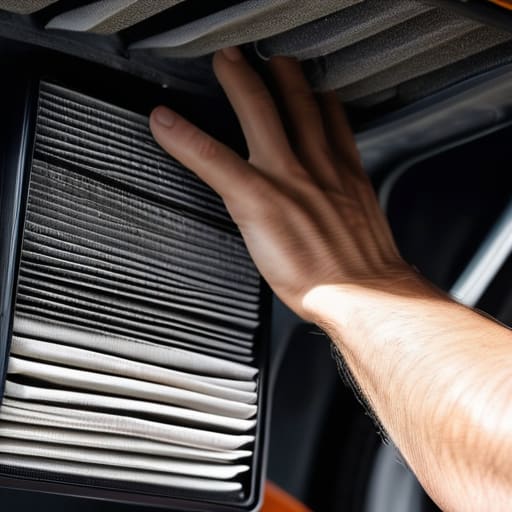
Look, at the end of the day, swapping an air filter is one of those tasks that sounds intimidating until you actually get your hands dirty. We covered how to spot the warning signs—like that sluggish acceleration or the sudden drop in MPG—and we went over the fact that you don’t need to wait for a manual to tell you when it’s time. Just keep an eye on the debris and listen to how your engine is breathing. If you can manage to identify a clogged filter and slide a fresh one into the housing, you’ve already saved yourself a trip to the shop and a chunk of change on a service invoice that probably should have been a ten-minute DIY job.
My dad always told me that the best way to learn about cars is to stop being afraid of them. Every time you pop that hood and fix something yourself, you’re taking back control from the big shops that want to charge you for things you can do in your own driveway. It’s not just about the money you save; it’s about the confidence you build every time you realize you’re more capable than the guy in the grease-stained jumpsuit telling you it’s a “complex repair.” Grab a new filter, get stuck in, and just keep driving.
Frequently Asked Questions
Can I just blow out the old filter with some compressed air instead of buying a new one?
Look, I get the temptation—it feels like a quick win to just blast it with some compressed air and call it a day. But honestly? Don’t do it. Blowing air through those pleats usually just pushes the fine grit deeper into the paper fibers. You aren’t actually cleaning it; you’re just rearranging the dirt. Save your money and just buy a new one. A cheap filter is way better than a “cleaned” one that’s still choking your engine.
Is there a difference between the engine air filter and the cabin air filter, and do I change them both the same way?
Big misconception right there. They’re totally different beasts. The engine filter sits under the hood and keeps dirt out of your cylinders so your car doesn’t choke. The cabin filter is inside—usually behind the glovebox—and keeps the dust and pollen out of your lungs. You can’t swap them the same way; one involves engine components, the other is more about interior access. Check your manual, but don’t mix them up.
Will putting in a high-performance "performance" filter actually give me more horsepower, or is it just marketing hype?
Look, I’ll be real with you: most of the time, it’s marketing hype. If you’re driving a stock commuter car, a high-flow filter isn’t going to magically turn your sedan into a race car. You might see a tiny bump in throttle response, but you won’t feel actual horsepower gains. Unless you’ve actually modded your intake or tuning, save your money. Just stick to a solid, clean replacement and keep that engine breathing easy.
