I’ve lost count of how many times I’ve seen a guy standing over an open hood, staring at a dead engine like it’s some kind of unsolvable mystery. Usually, he’s about to drop a hundred bucks on a brand-new battery just because his car wouldn’t crank, even though the real issue was something else entirely. Most shops will try to sell you a whole new electrical setup, but honestly? Half the time, you just need a decent battery tester to see what’s actually happening. Stop letting people talk you into expensive replacements when a simple test could prove your current setup is actually fine.
I’m not here to give you some textbook lecture or a list of overpriced tools you’ll never use. I’m going to show you exactly what to look for so you can stop guessing and start knowing. My goal is to break down the different types of gear out there—from the cheap handhelds to the digital ones—and tell you which ones are actually worth your money. I’ll help you find the right tool for the job so you can keep your own car running without getting ripped off.
Table of Contents
- Mastering Digital Multimeter Battery Testing Without the Fancy Degree
- The Truth About Cranking Amps Measurement and Real Power
- 5 Ways to Stop Guessing and Start Testing Like a Pro
- The Bottom Line: Don't Get Stuck on the Side of the Road
- Stop Guessing, Start Testing
- Stop Guessing and Start Testing
- Frequently Asked Questions
Mastering Digital Multimeter Battery Testing Without the Fancy Degree
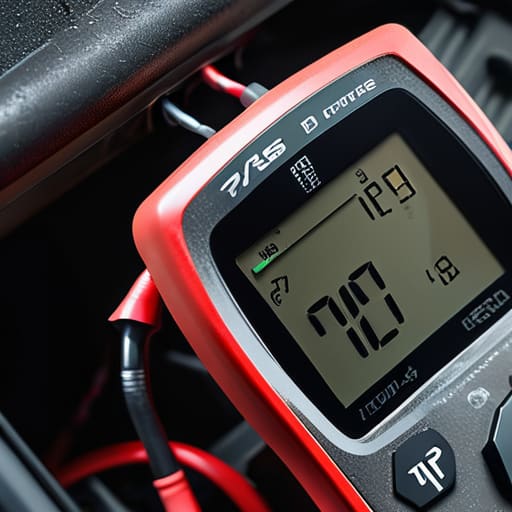
Look, you don’t need a specialized automotive battery load tester to get a decent reading, but you do need to know what you’re looking at. If you’ve got a basic digital multimeter lying around, you’re already halfway there. Start by setting your dial to DC voltage. Touch your red probe to the positive terminal and the black to the negative. This is the most basic way of how to check battery voltage before you even think about turning the key. If you’re seeing anything below 12.6 volts while the engine is off, your battery is likely sitting at a low state of charge and might need a long drive or a dedicated charger.
Now, here’s the part where most people get tripped up: a static voltage reading doesn’t tell the whole story. A battery can show 12.6 volts but still fail the moment you try to start the car. To get real insight, you need to watch that number while someone else cranks the engine. If that voltage plummets below 9 or 10 volts during the crank, your battery is toast, regardless of what it showed while sitting idle. It’s not rocket science; it’s just about watching how the power holds up under pressure.
The Truth About Cranking Amps Measurement and Real Power

Here’s the thing: seeing a healthy voltage reading on your screen doesn’t always mean your car is actually going to start on a cold morning. You can have a perfect 12.6 volts sitting there, but if that battery can’t dump enough juice the second you turn the key, you’re still stuck. That’s where cranking amps measurement comes into play. It’s the difference between a battery that looks good on paper and one that actually has the muscle to turn over a heavy engine under load.
When I’m working on one of my vintage tuners, I don’t just trust a quick voltage check. I look for how the battery handles the sudden, massive demand of the starter motor. If you’re trying to get serious about lead acid battery diagnostics, you really need to understand that voltage is just the potential, while cranking amps are the actual work being done. If the voltage takes a massive dive the moment you crank, your battery is likely toast, regardless of what a basic meter tells you.
5 Ways to Stop Guessing and Start Testing Like a Pro
- Don’t trust your eyes; a battery might look brand new and have clean terminals but still be a total dud when you’re trying to turn the engine over on a cold morning.
- Always clean your contact points before you hook up a tester, because even a thin layer of corrosion can mess with your readings and give you a false sense of security.
- Check your battery while the car is actually sitting idle, not right after a long drive, because an alternator charging the system will throw off your baseline voltage numbers.
- Learn the difference between a simple voltage check and a load test; knowing the voltage is fine is one thing, but knowing if it can actually handle the stress of a starter motor is what matters.
- Get yourself a dedicated handheld tester instead of relying on a cheap multimeter for everything; it’s faster, more accurate for CCA, and way less headache when you’re under a tight hood.
The Bottom Line: Don't Get Stuck on the Side of the Road
Stop relying on “maybe” when it comes to your battery; a cheap tester is way more reliable than just guessing based on how slow your engine cranks.
Understand that voltage isn’t everything—if your battery can’t hold the cranking amps needed to turn the starter, you’re still going to be stranded.
You don’t need to be a master electrician to use these tools, just learn how to read the basic numbers so you can avoid paying a shop for a battery you might not even need to replace.
Stop Guessing, Start Testing
Most shops will try to sell you a brand new battery the second your car struggles to start, but don’t let them. Grab a decent tester, get the real numbers, and find out if you’re actually looking at a dead cell or just a bad connection.
Nikolai·Osterman
Stop Guessing and Start Testing

Look, at the end of the day, you’ve got two solid ways to handle this. You can play it old school with a digital multimeter to check your voltage, or you can invest in a dedicated tester to get those crucial cranking amps and load test readings. Don’t let a mechanic talk you into a full battery replacement just because your car struggled to start on a cold morning. Whether you’re checking for a parasitic draw or just verifying that your alternator is actually doing its job, the goal is the same: get the actual data so you aren’t throwing money at parts you don’t need. Stop playing the guessing game with your electrical system and start making decisions based on what the tools are actually telling you.
I know it can feel a little intimidating when you’re staring at a mess of wires and sensors, but trust me, you’ve got this. Most people get stranded because they ignored the warning signs or didn’t have the right gear to spot a dying cell before it quit entirely. Owning a decent tester isn’t just about fixing a car; it’s about taking back control of your own ride and your wallet. Grab a tool, get a little grease on your hands, and learn the truth about what’s happening under that hood. You don’t need a fancy certification to be your own best mechanic.
Frequently Asked Questions
Is it worth buying a dedicated digital tester, or can I just rely on my multimeter for everything?
Look, if you’re just checking if a battery has a charge, your multimeter is fine. But if you want the full story, get a dedicated tester. A multimeter tells you the voltage, but a digital tester tells you if the battery actually has the muscle to turn your starter. It tests internal resistance and cranking amps—stuff a multimeter just can’t see. Save the extra cash for tools you’ll actually use daily, but for battery health? The dedicated tester wins.
How do I know if my battery is actually failing or if it's just the cold weather messing with the readings?
Look, cold weather is a total liar. It makes your battery look weaker than it actually is because the chemical reaction slows down when it’s freezing. If you want the truth, test it when it’s warmer, or better yet, use a load tester. If the voltage drops significantly while you’re cranking in the cold, the battery’s struggling. But if it holds steady under load, it’s probably just the temperature playing tricks on you.
Can a cheap tester from a big-box store give me accurate results, or am I just wasting my money?
Look, I get the temptation to grab that $15 unit at the big-box store just to get the job done, but there’s a catch. For a basic “is it dead or alive” check, it’ll work fine. But if you’re trying to diagnose a parasitic draw or figure out if your alternator is actually charging properly, those cheap ones can lie to you. Don’t waste your money on junk if you actually want the truth.
