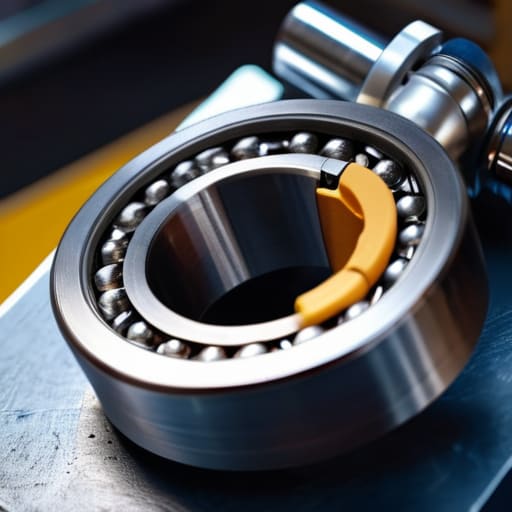
I remember being stuck in the passenger seat of my dad’s old sedan last summer, trying to focus on a podcast, when this low, rhythmic growl started creeping up through the floorboards. It wasn’t a bang or a screech, just this persistent, heavy drone that seemed to get louder the faster we hit the highway. Most people hear that kind of wheel bearing noise and immediately start sweating about a massive repair bill or a dangerous suspension failure, but I’ve learned that it’s usually much simpler than the shop owners want you to believe.
I’m not here to feed you some textbook lecture or scare you into dropping a grand at a dealership for a part you could probably swap in your own driveway. My goal is to give you the real-world breakdown on how to listen to your car, how to pinpoint exactly which corner is failing, and how to get it fixed without getting ripped off. If you’ve got a basic socket set and a little bit of patience, you can tame that noise yourself.
Table of Contents
How to Diagnose Bad Wheel Bearings Without a Mechanic
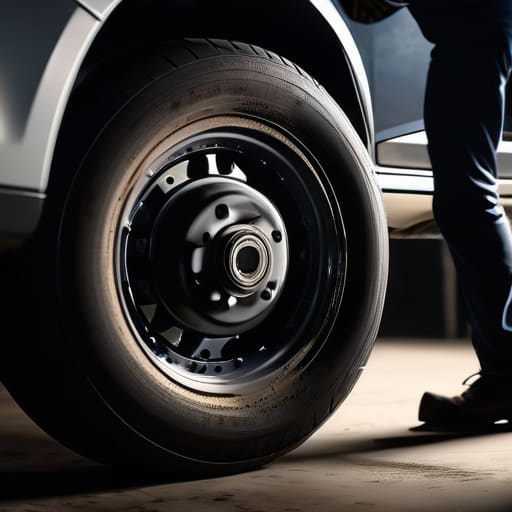
First things first, you don’t need a fancy scanner to figure this out; you just need to use your ears and a jack. The easiest way to start how to diagnose bad wheel bearings is to get the car up on jack stands so the wheels can spin freely. Once it’s up, grab the tire at the top and bottom (like you’re trying to shake hands with the wheel) and give it a firm tug. If there’s any play or a clicking sensation, that bearing is shot. It’s a dead giveaway that the internal components are worn down.
If the wheel feels solid, try spinning it by hand. You’re listening for any roughness or a consistent sandpaper-like sound as it rotates. If you don’t have a jack handy, you can do a rolling test. Find a safe, empty stretch of road and pay attention to how the sound changes when you veer slightly left or right. If the noise gets louder when you turn one way and disappears when you turn the other, you’ve likely narrowed down which side is failing. It’s all about isolating the sound.
Identifying That Car Grinding Noise When Driving
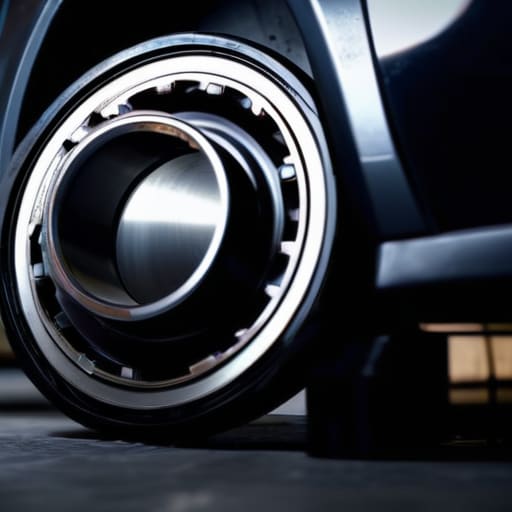
The trickiest part about a car grinding noise when driving is that it changes depending on how you’re handling the car. If you’re cruising down a straight highway and hear a low-frequency hum that sounds like you’re driving on rumble strips, that’s a classic red flag. But pay close attention to what happens when you veer slightly left or right. If the sound gets louder when you turn one way and disappears when you turn the other, you’ve basically found your culprit. That’s because shifting the weight of the car changes the load on the bearing, and a failing unit will scream the second it feels that pressure.
It isn’t always just about the sound, though. Sometimes, you’ll feel it before you hear it. If you notice a strange steering wheel vibration while you’re hitting higher speeds, it’s often because the internal components of the hub are starting to wobble. This isn’t just an annoying rattle; it’s a sign that the metal is physically degrading. Don’t ignore it—once that play gets bad enough, it can actually mess with your braking or even cause the wheel to behave unpredictably.
5 Pro Tips to Keep the Noise from Getting Worse
- Don’t just ignore it because it’s annoying—a bad bearing creates heat, and if that heat gets too high, it can actually weld itself to the spindle or cause your wheel to seize up while you’re hitting highway speeds.
- When you’re testing the play by grabbing the tire, make sure you’re pulling at the 12 and 6 o’clock positions; if you only pull side-to-side, you might miss the vertical wobble that tells you the bearing is toast.
- Keep a close eye on your brake rotor surface; if the bearing is really loose, it’ll cause the rotor to wobble, which usually leaves weird, uneven scoring patterns on the metal that make your brakes pulse.
- If you’re planning to swap it yourself, grab a torque wrench—don’t just wing it with an impact driver—because if you under-tighten that hub nut, the bearing will vibrate itself to death in a week.
- Always check your hub assembly for heat after a drive; if one wheel feels significantly hotter than the others even though you haven’t been braking hard, that’s a dead giveaway that the internal friction is killing that bearing.
The Bottom Line on Your Wheel Bearings
Don’t let a shop scare you into a massive bill; if that growl changes pitch when you veer slightly left or right, you’ve almost certainly found your culprit.
Catching a bad bearing early is huge—if you ignore it, you’re looking at more than just noise, you’re looking at potential damage to your hub and even your braking system.
You don’t need a master tech’s toolkit to handle this, just a decent jack, some jack stands, and the right ability to listen to what your car is actually telling you.
## Don't Let the Noise Scare You
Most people hear that low-end growl and immediately think their car is falling apart, but honestly? It’s usually just a bearing that’s seen better days. It’s not a mystery, and it’s definitely not something you should pay a shop a fortune to “investigate”—you just need to listen to what the car is telling you and grab the right tools to fix it.
Nikolai·Osterman
Don't Let a Noisy Bearing Scare You Off
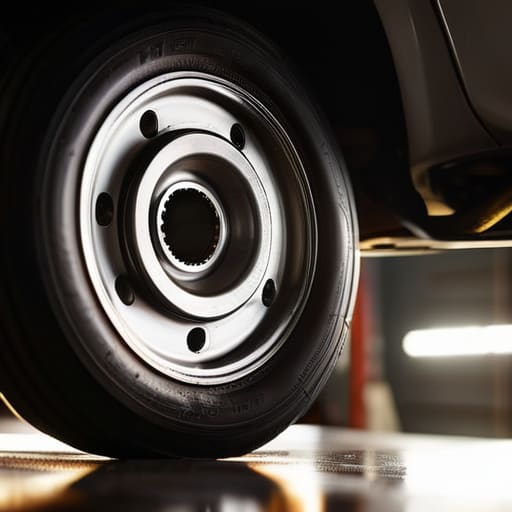
Look, if you’ve been following along, you now know that a grinding or rhythmic growl isn’t necessarily a death sentence for your car. We’ve covered how to listen for those specific changes in pitch when you’re turning, how to use a jack to check for play in the wheel, and how to distinguish a bearing issue from something like a bad tire or a brake problem. The most important thing to remember is that early diagnosis saves money. If you catch a bearing while it’s just starting to get noisy, you’re looking at a straightforward part swap rather than a catastrophic failure that could lock up your wheel or damage your suspension components. Just keep your ears open and trust your gut when the sound changes.
At the end of the day, I don’t want you to feel intimidated by that sound coming from under your chassis. Mechanics love to charge a premium for “diagnostic time,” but once you know what to listen for, you’ve already done the hardest part of the job. Grab your socket set, clear some space in the driveway, and give it a shot. You might find that keeping your own ride on the road is a lot less scary than the guys at the dealership make it out to be. Just take it one bolt at a time, and don’t forget to use your magnetic tray so you don’t lose those crucial mounting bolts in the grass.
Frequently Asked Questions
Can I keep driving if the noise is just a faint hum, or am I asking for a total wheel failure?
Look, I get the temptation to just ignore a faint hum, but honestly? You’re playing with fire. A light sound usually means the grease inside the bearing is drying up or the metal is starting to pit. It’s a warning shot. If you keep pushing it, that hum turns into a roar, and eventually, the bearing can seize or even let the wheel wobble. Don’t wait for a catastrophic failure; fix it while it’s still an easy job.
How do I know if the noise is actually a bad wheel bearing and not just something simple like a stone stuck in my brake shield?
Honestly, that’s a fair question. A stone caught in the dust shield makes a high-pitched, frantic scraping sound that stays constant regardless of how much weight is on the car. A bad bearing is different—it’s a deep, rhythmic growl that usually changes pitch when you’re turning or shifting your weight in the seat. If the noise gets louder when you veer slightly left or right, you’re looking at a bearing, not a pebble.
Do I have to replace the whole hub assembly, or can I just swap out the bearing itself to save some cash?
Look, the short answer is: it depends on what your car’s setup is. On some older rigs, you can just press the old bearing out and pop a new one in—that’ll save you some serious cash, but you’ll need a hydraulic press to do it right. But honestly? Most modern cars use integrated hub assemblies. Trying to swap just the bearing on those is a massive headache and usually isn’t worth the time. Just swap the whole unit.
