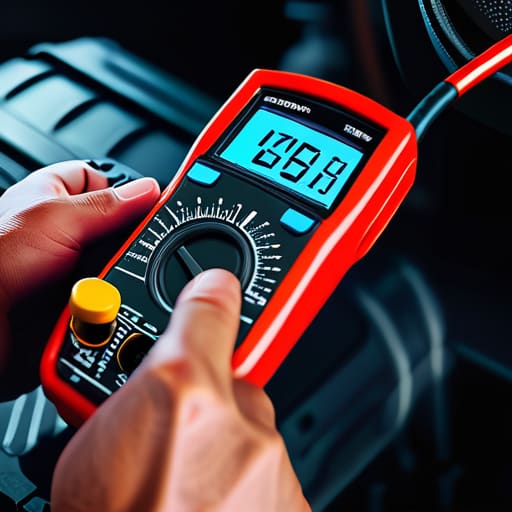
There is nothing quite like the sound of a starter motor struggling to turn over in a freezing driveway at 6:00 AM, followed by that dreaded, hollow click-click-click. I’ve been there more times than I’d like to admit, usually while working on one of my vintage projects, staring at a dead engine and wondering if I just lost my entire morning. Most shops will try to tell you that you need a specialized computer or a full diagnostic suite just for car battery testing, charging you a premium just to tell you what you already know: your battery is toast. It’s a total racket, and honestly, it’s frustrating to see people get talked into expensive replacements when the fix is actually pretty straightforward.
I’m not here to give you some textbook lecture or sell you on high-end shop equipment you don’t need. My goal is to show you how to handle car battery testing using basic tools and a bit of common sense so you can stop guessing and start knowing. I’ll walk you through exactly what to look for and how to read the results, ensuring you only spend money when it actually makes sense.
Table of Contents
Spotting the Real Signs of a Failing Car Battery

Most people don’t realize their battery is dying until they’re stuck in a grocery store parking lot at 9 PM. But if you actually pay attention, your car usually tries to tell you something first. One of the biggest signs of a failing car battery is that sluggish, “labored” sound when you turn the key—it’s like the engine is trying to wake up from a deep sleep. You might also notice your headlights getting dim or flickering when you’re idling at a red light. If your interior lights look weak, your electrical system is definitely struggling to stay consistent.
If you want to get technical before you’re stranded, you should look into automotive electrical system troubleshooting by checking your dashboard. If you see a battery warning light or if your power windows seem to move slower than usual, don’t just ignore it. Sometimes it’s just a loose terminal or some corrosion, but often it’s a sign that the cells inside are finally giving up. Catching these small red flags early saves you a massive headache—and a much larger repair bill—down the road.
Decoding Car Battery Health Indicators Before They Die
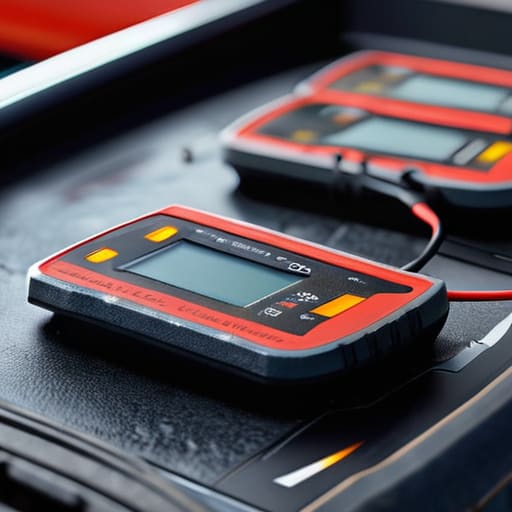
Once you’ve spotted those obvious warning signs, it’s time to get a bit more technical so you aren’t just guessing. If you want the real truth, you need to move past just looking at the battery and actually look at the numbers. I always tell people that testing battery with multimeter is the only way to know if you’re dealing with a dying cell or just a loose connection. When the car is off, you’re looking for a steady reading around 12.6 volts. Anything significantly lower than that is a massive red flag that your battery isn’t holding a full charge.
If the voltage looks okay while the engine is off, don’t get too comfortable. You also need to check how it handles a load. This is where most people get tripped up during automotive electrical system troubleshooting. If you see the voltage tanking the second you try to crank the engine, your battery might have enough surface charge to look fine, but it lacks the actual strength to do its job. It’s better to catch this drop now than to find yourself stuck in a parking lot at 11 PM.
Pro Tips for Testing Without Getting Ripped Off
- Grab a cheap digital multimeter instead of relying on your eyes; seeing a voltage reading under 12.4V when the car is off tells you way more than just looking at a crusty terminal.
- Always test your battery while the engine is off, but then check it again while cranking—if that voltage drops into the single digits during the start, your battery’s basically a paperweight.
- Don’t forget to clean those terminals first; if you’ve got white, fuzzy corrosion buildup, your tester might give you a garbage reading that has nothing to do with the actual cells.
- Check the “load” if you can. A battery might show full voltage sitting idle, but it’s the actual strength under pressure that matters, so try to find a way to see how it handles a heavy electrical draw.
- Keep an eye on your charging system too. If you test the battery and it looks fine, but the voltage spikes way too high when the engine is running, your alternator is likely the real culprit killing your battery.
The Bottom Line on Keeping Your Battery Alive
Don’t wait for the car to just refuse to start; if you notice dim lights or a sluggish crank, your battery is already screaming for help.
A cheap multimeter is your best friend—it’s better to spend ten bucks on a tool now than a hundred bucks on a tow truck later.
Keep those terminals clean and tight; half the time “dead” batteries are just dealing with a little corrosion or a loose connection.
## The Truth About Your Battery
Most people wait until they’re stranded in a dark parking lot at 2 AM to care about their battery, but you don’t have to be a victim of bad luck; a five-minute test with a multimeter can save you a massive headache and a ridiculous mechanic’s bill.
Nikolai·Osterman
Don't Wait for the Silence
Look, we’ve covered a lot here, from spotting those annoying slow cranks to actually reading what your battery is trying to tell you through a multimeter. At the end of the day, testing your battery isn’t some high-level science experiment; it’s just about being proactive. If you notice your lights dimming or your starter sounding like it’s struggling through mud, don’t just turn up the radio and hope for the best. Grab a tester, check those terminals for corrosion, and get a real reading on your voltage. It’s much easier to swap a battery on a Saturday afternoon in your driveway than it is to deal with a dead car when you’re late for work or stuck in a grocery store parking lot. Catching it early saves you money and a massive headache.
I know it can feel intimidating when you first pop the hood and see a mess of wires and plastic, but I promise you, you can handle this. You don’t need a master technician’s certification to keep your ride reliable; you just need to stop guessing and start actually looking at the facts. Every time you take control of a simple repair like this, you’re taking power back from the shops that want to charge you a premium for something you could have diagnosed yourself. Keep that magnetic tray handy, stay patient, and just keep turning wrenches. You’ve got this.
Frequently Asked Questions
Can I just use a multimeter to test my battery, or do I actually need one of those fancy load testers?
Look, if you’ve already got a multimeter in your toolbox, use it. It’s great for checking if the battery is actually holding a charge or if your alternator is acting up. But honestly? A multimeter only tells half the story. It shows voltage, not strength. If you really want to know if that battery can actually crank your engine on a freezing morning, a load tester is the only way to see if it’s truly got the guts to do the job.
If my battery passes a voltage test, does that mean it's actually healthy enough to start my car in the winter?
Short answer: No, not necessarily. A voltage test is just a snapshot of potential; it doesn’t tell you if your battery has the actual “oomph” to turn the engine over when it’s freezing. Think of it like a runner who looks fine standing still but gasses out after ten feet. In the winter, you need to check the Cold Cranking Amps (CCA). If your CCA is low, that battery’s gonna bail on you the second the temperature drops.
How do I know if the problem is a dying battery or if my alternator is actually the thing failing?
This is the question that keeps people stranded in parking lots. Here’s the quick way to tell: if your car dies while you’re driving, or if your headlights dim when you rev the engine, that’s usually your alternator failing to keep the system charged. But if the car starts fine most of the time and only struggles when it’s been sitting, it’s likely just a weak battery. Grab a multimeter; if it’s under 13.5V while running, your alternator’s toast.
