
I remember sitting in my dad’s garage when I was twelve, watching him stare at a misfiring old sedan like it was some unsolvable puzzle. He finally sighed, grabbed a socket, and told me that most people think a rough idle means you need a whole new ignition system, but usually, it’s just a basic spark plug replacement job. It’s one of those things shops love to quote you a ridiculous amount for, acting like it’s some high-level diagnostic mystery when, in reality, it’s just routine maintenance that anyone with a little patience can handle.
I’m not here to give you some textbook lecture or a list of expensive specialty tools you don’t actually need. Instead, I’m going to walk you through the actual process I use at the shop, minus the fluff. I’ll show you exactly how to avoid stripping those delicate threads and how to tell if your plugs are actually shot or just dirty. By the time we’re done, you’ll have the confidence to stop overpaying the mechanic and get your engine running smooth again on your own terms.
Table of Contents
- Step-by-Step Instructions
- Spotting the Signs of Worn Spark Plugs Before They Fail
- Boosting Fuel Efficiency and Spark Plugs for Better Mileage
- Pro Tips to Keep You From Screwing This Up
- The Bottom Line on Your Spark Plugs
- The Truth About Your Engine's Heartbeat
- Don't Let the Shop Overcharge You
- Frequently Asked Questions
Guide Overview
Tools & Supplies
- Socket wrench and ratchet for loosening bolts
- Spark plug socket with rubber insert to protect porcelain
- Extension bar to reach deep engine recesses
- Torque wrench for precise tightening
- New spark plugs (set of 4, 6, or 8 depending on engine)
- Dielectric grease for preventing moisture buildup
Step-by-Step Instructions
- 1. First things first, make sure your engine is completely cool before you even touch a wrench. I’ve seen too many guys try to rush this on a hot engine and end up stripping a thread or burning their knuckles. If you’re working on a modern car, you might need to pop the plastic engine cover off first—just grab a screwdriver or a socket and lift it out of the way.
- 2. Locate your ignition coils or spark plug wires. If you’ve got coils sitting right on top of the plugs, you’ll need to disconnect the electrical connector first. Don’t yank on the wires themselves; grab the plastic plug and pull it straight up so you don’t snap the connector. Once that’s done, unscrew the bolt holding the coil in place and pull the whole unit out.
- 3. Now, grab your spark plug socket—and make sure it’s the right one, usually with a rubber insert inside to hold the plug—and thread it onto the old plug. Slowly turn it counter-clockwise. If it feels like you’re fighting something, stop and re-check your angle. You don’t want to cross-thread anything here, or you’re looking at a much more expensive headache.
- 4. Once the old plug is out, take a second to look at it. If it’s covered in heavy black soot or looks melted, that tells you something about how your engine is running. Before you drop the new one in, use a can of compressed air to blow out any debris from the spark plug hole. The last thing you want is a tiny piece of dirt falling into your cylinder while the plug is out.
- 5. Take your new spark plug and thread it into the hole by hand first. This is the most important part: always start it by hand. If you feel resistance immediately, back it out and try again. You want to feel it spinning smoothly into the seat without needing the wrench yet. This ensures you aren’t forcing it onto crooked threads.
- 6. Once the plug is finger-tight, use your ratchet to give it that final snugging. Don’t go overboard and try to muscle it like you’re tightening a lug nut; you just need to meet the torque spec or give it about a quarter-turn past finger-tight if you don’t have a torque wrench handy. Over-tightening is a rookie mistake that can ruin the plug or the engine head.
- 7. Reinstall your ignition coil or wire, making sure the connector clicks back into place firmly. Repeat this process for the rest of the cylinders. Once you’re done, double-check everything to ensure no tools or loose bolts are left sitting on the engine before you go for that first start-up.
Spotting the Signs of Worn Spark Plugs Before They Fail

You don’t always have to wait for a dashboard light to pop up to know something is wrong. Usually, your car will start talking to you through how it feels on the road. If you notice a sudden stutter when you’re merging onto the highway or if your idle feels rough and inconsistent while sitting at a red light, those are classic signs of worn spark plugs. Another big one is a noticeable drop in gas mileage. If you’re hitting the pump more often than usual, it’s likely because your engine is struggling to burn fuel efficiently due to a weak spark.
Keep an eye out for any hesitation when you step on the gas. If the car feels sluggish or like it’s “missing” a beat, you’re probably dealing with fouled plugs or an incorrect spark plug gap setting. Catching these issues early is the best way to ensure long-term engine performance improvement without ending up with a much more expensive repair bill down the line. Don’t ignore the symptoms; your car is trying to tell you it’s time for some basic maintenance.
Boosting Fuel Efficiency and Spark Plugs for Better Mileage
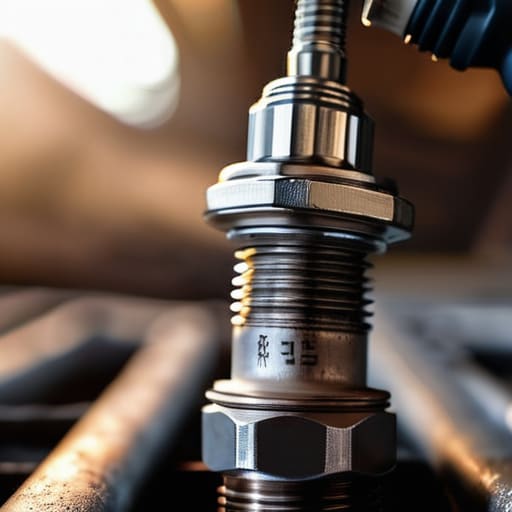
Look, if you’re noticing your gas gauge dropping faster than it used to, don’t immediately assume you have a massive leak or a bad sensor. A huge part of fuel efficiency and spark plugs comes down to how cleanly that fuel actually burns. When your plugs are old or fouled, they aren’t delivering that crisp, consistent spark needed to ignite the air-fuel mixture. Instead, you get incomplete combustion, which basically means you’re literally pumping unburnt gas through your exhaust. It’s a massive waste of money that most people overlook until they see their monthly fuel bill spike.
To really see an engine performance improvement, you can’t just slap in new parts and call it a day. If you’re working on an older tuner or a car where the manufacturer doesn’t specify a pre-gapped plug, you’ve got to double-check your spark plug gap setting. Even a tiny deviation can mess with your timing and kill your MPG. It’s one of those small, technical details that separates a “quick fix” from actually getting your car back to peak efficiency.
Pro Tips to Keep You From Screwing This Up
- Don’t just wing the gap. Even if the plugs say they’re “pre-gapped,” check them with a feeler gauge before they touch your engine. If the gap is off, your ignition coil is going to work overtime and you’ll be back under the hood way sooner than you planned.
- Clean the area around the plug before you even think about loosening it. I’ve seen too many guys pull a plug only to have a bunch of grit and dirt fall straight down into the cylinder. Use some compressed air to blow that junk out first; it’s a five-second job that saves a massive headache.
- Hand-thread those new plugs in. Seriously. If you feel any resistance while you’re turning them by hand, stop immediately. You do not want to cross-thread a plug in an aluminum head—that’s a one-way ticket to an expensive shop visit that you can’t DIY.
- Use a torque wrench. I know, it feels like overkill, but “tight enough” is how you end up with a snapped plug or a crushed washer. Find the spec for your specific engine and stick to it. It’s the difference between a job well done and a disaster.
- Grab a set of dielectric grease for the boot of the ignition coil. A little dab helps prevent the boot from sticking to the plug and ensures you get a solid connection. It keeps everything moisture-free and makes your next tune-up a hell of a lot easier.
The Bottom Line on Your Spark Plugs
Don’t wait for your car to start stumbling or idling rough; if you’re noticing a drop in MPG, it’s probably time to swap those plugs out.
You don’t need a shop full of expensive gear to do this—just a decent socket set, a torque wrench if you want to be precise, and a little patience.
Doing this yourself isn’t just about saving a few bucks on labor, it’s about making sure the job is actually done right so you aren’t stuck on the side of the road later.
The Truth About Your Engine's Heartbeat
Look, a mechanic might try to tell you it’s a complex job to justify a massive labor charge, but honestly? It’s just a matter of getting the right socket, keeping your bolts organized in a tray, and not rushing the thread. If you can follow a basic sequence, you can do this yourself and keep that extra hundred bucks in your own pocket.
Nikolai·Osterman
Don't Let the Shop Overcharge You
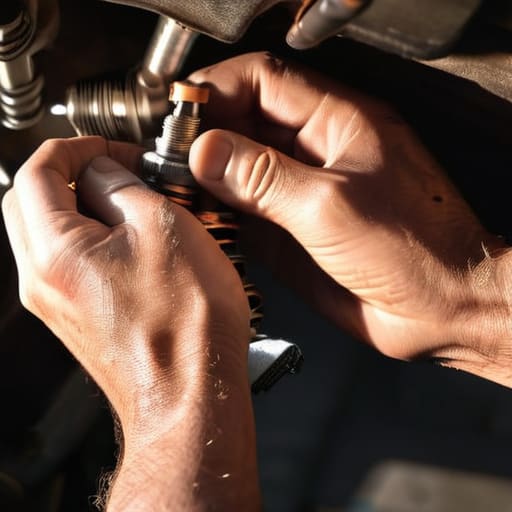
At the end of the day, swapping out your spark plugs isn’t some mystical ritual reserved for guys with master certifications. We’ve covered how to spot those early warning signs like rough idling or poor gas mileage, and we walked through the actual process of getting those old, fouled plugs out and the fresh ones in. It really comes down to two things: having the right socket and making sure you don’t cross-thread anything when you’re tightening them back down. If you take your time and follow these steps, you’ve just saved yourself a massive chunk of change that most shops would have happily taken from your wallet for a job that takes me maybe twenty minutes in the bay.
I know it can be intimidating when you first pop the hood and see a mess of wires and sensors, but I promise you’re more capable than you think. Every time you pick up a wrench and tackle a job yourself, you’re gaining a level of mechanical confidence that no textbook can teach you. Stop viewing your car as a black box of mystery and start seeing it as something you actually understand and control. Keep that magnetic tray handy, stay patient, and don’t be afraid to get a little grease under your fingernails—that’s just part of the process.
Frequently Asked Questions
Do I really need to buy the expensive iridium plugs, or can I get away with the cheaper copper ones?
Look, don’t just grab whatever’s cheapest on the shelf. Check your owner’s manual first—it’ll tell you exactly what your engine expects. If your car calls for iridium, stick with it. Iridium plugs last way longer and handle the heat better, so you aren’t digging back into that engine bay in six months. Copper is fine for old beaters, but for modern cars, those cheap plugs can actually mess with your sensors.
How do I know if I accidentally stripped the threads in the engine block while tightening them?
Look, don’t panic, but if you feel the plug just spinning and spinning without any resistance, you likely stripped the threads. If you were tightening it and it suddenly felt “loose” or like it was just sliding through grease, that’s a huge red flag. If the plug won’t seat or stays sitting high above the head, the threads are gone. Don’t keep forcing it; you’ll just make the hole bigger and the fix way more expensive.
Should I be replacing my ignition coils at the same time, or is that just a waste of money?
Look, I get why you’re asking. If you’re already elbow-deep in the engine bay with the coils sitting right there, it feels like the right time. Honestly? If your car has over 100k miles and you’re on a budget, you don’t have to. But if you’ve got a little extra cash, doing them now saves you from tearing everything apart again in six months when a coil inevitably quits. It’s about convenience, not just necessity.
