I remember being ten years old in my dad’s garage, staring at a beat-up old sedan that wouldn’t idle for anything. We sat there in the heat, listening to this faint, rhythmic hissing sound that seemed to come from everywhere and nowhere at once. My dad didn’t call a specialist or charge us a hundred bucks just to look at it; he just grabbed a spray bottle and a flashlight. That’s the thing about an engine vacuum leak—it’s one of those issues that makes people panic and think their car is dying, when really, it’s usually just a piece of rubber that’s seen better days.
I’m not here to give you some textbook lecture or sell you on expensive diagnostic machines you’ll never use. My goal is to show you how to actually find the leak using stuff you probably already have in your toolbox. I’ll walk you through the symptoms, the easiest ways to test it yourself, and how to swap out those busted hoses without getting ripped off at the shop. We’re going to get your engine running smooth again, no nonsense required.
Table of Contents
Listen Close to These Engine Idling Issues
If you’re sitting at a red light and your car starts acting like it’s possessed, pay attention. One of the most obvious engine idling issues is a rough idle where the RPMs just bounce up and down like they can’t find a rhythm. You might even feel the whole car shuddering under you. This usually happens because you’ve got unmetered air entering engine components, which throws the entire air-fuel mixture completely out of whack. It’s like trying to breathe through a straw while someone else is pumping air into your lungs—the computer just can’t compensate fast enough to keep things smooth.
Another thing to watch for is a sudden, unexpected surge in RPMs when you’re stopped. If the needle climbs for no reason and then drops back down, you’re likely dealing with a leak somewhere in your intake system. Sometimes, you might even catch a faint whistling or hissing sound coming from the engine bay. That’s a dead giveaway. If you hear that, don’t ignore it; it’s basically your car telling you exactly where the air is escaping.
Finding Unmetered Air Entering Engine Without a Degree
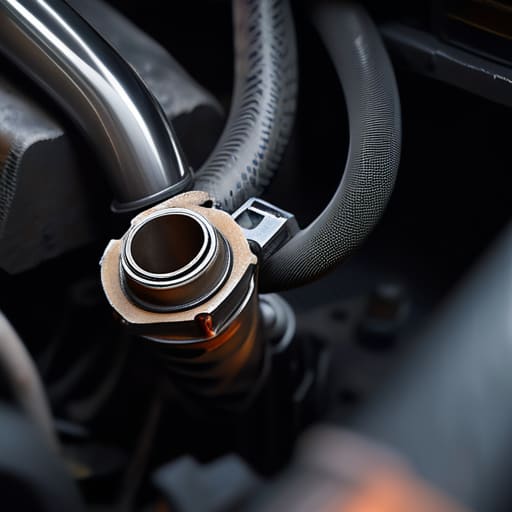
You don’t need a fancy diagnostic computer to figure out where that extra air is sneaking in. Most of the time, it’s just a matter of a visual inspection and some basic logic. I always start by checking vacuum lines for cracks or signs of dry rot. Grab a flashlight and look at every rubber hose connected to your intake manifold. If a hose looks flattened, brittle, or has a tiny split, you’ve likely found your culprit. It’s a simple way to spot unmetered air entering engine systems before you even pick up a wrench.
If the lines look fine but you’re still dealing with those weird engine idling issues, you might need to get a little more hands-on. A pro trick I use at the shop is spraying a tiny bit of soapy water or even some specialized carb cleaner around the suspected area while the engine is running. If the engine RPM suddenly changes or stumbles, you just found the leak. For the real stubborn ones, diagnosing vacuum leaks with smoke machine is the gold standard, but for most DIYers, a bit of patience and a spray bottle will get the job done.
Pro Tips for Hunting Down Leaks Without Losing Your Mind
- Grab a can of soapy water or some dedicated spray lube. Spray it around the intake manifold and vacuum lines while the engine is idling; if the engine RPM suddenly jumps or stumbles, you just found your leak.
- Don’t just rely on your ears. Sometimes a leak is too quiet to hear over the engine noise, so use a piece of garden hose as a makeshift stethoscope. Put one end to your ear and run the other end around the hoses to pinpoint the exact hiss.
- Check your vacuum lines for “dry rot.” If a hose feels brittle, cracks when you bend it, or looks discolored, just toss it. It’s a cheap part and way cheaper than a shop charge for a replacement.
- Keep an eye on your fuel trims if you have a basic OBDII scanner. If you see your long-term fuel trims climbing high into the positive numbers, your computer is desperately trying to compensate for air that shouldn’t be there.
- Inspect the intake manifold gaskets while you’re at it. If you find a leak there, it’s a bigger job than a loose hose, but catching it early prevents you from burning out your spark plugs or messing up your catalytic converter.
The Bottom Line on Fixing Your Vacuum Leak
If your engine is idling rough or you hear a weird whistling sound, don’t panic—it’s usually just a cracked rubber hose or a loose connection, not some massive engine failure.
You don’t need a $5,000 diagnostic scanner to find the leak; a simple spray bottle of soapy water or a bit of ear training is often enough to pinpoint exactly where the air is getting in.
Catching these leaks early saves you a massive headache later, because unmetered air can mess with your fuel mix and end up causing way more expensive damage than a five-dollar part would.
Don't Let a $5 Hose Break Your Bank
Most shops will try to tell you that a rough idle or a stalling engine means you need a whole new sensor or a massive fuel system overhaul, but half the time, it’s just a cracked vacuum line that costs five bucks at the auto parts store. Don’t let them overcomplicate it; listen to the engine, find the hiss, and fix the leak yourself.
Nikolai·Osterman
Don't Let a Small Leak Break Your Bank
At the end of the day, catching a vacuum leak isn’t about having a thousand-dollar diagnostic scanner; it’s about paying attention to what your car is telling you. Whether you noticed a rough idle during your morning commute or spotted a cracked rubber hose while you were checking your oil, you’ve already done the hard part. By listening for that telltale hiss or using a simple spray bottle to find where the engine RPMs jump, you’ve bypassed the expensive “diagnostic fees” most shops try to tack on. Remember, most of these issues boil down to simple rubber components that just need replacing, not a complete engine overhaul.
I know it can feel intimidating when you first pop the hood and see a mess of wires and hoses, but don’t let that stop you. Every time you swap out a vacuum line or tighten a loose connection yourself, you’re gaining a level of mechanical confidence that most drivers never get. You aren’t just saving money; you’re actually learning the language of your machine. Keep that magnetic tray handy, stay patient, and don’t let a little bit of unmetered air get in your head. You’ve got this, and your car will definitely thank you for it.
Frequently Asked Questions
Is it actually dangerous to keep driving with a vacuum leak, or can I just wait until my next oil change?
Look, I get wanting to put it off, but don’t just wait for your next oil change. A vacuum leak isn’t just an annoyance; it’s messing with your air-fuel ratio. You’re running lean, which means your engine is running hotter than it should. Do that long enough and you’re looking at melted spark plugs or, worse, damaged valves. Fix the hose now, or you’ll be paying way more for a shop visit later.
How can I tell if the leak is coming from a vacuum hose versus a bad intake manifold gasket?
The easiest way to tell is by playing detective with a spray bottle. Grab some soapy water or a dedicated carb cleaner. While the engine’s idling, spray it around the vacuum hoses first. If the RPMs stumble or smooth out, you’ve found your culprit. If the hoses look solid, move to the intake manifold gasket. If you spray the seam where the manifold meets the engine and the idle changes, that gasket is toast.
Can I use a spray like carb cleaner to find the leak, or am I going to mess something up?
You definitely can, but you gotta be careful. Using carb cleaner is a classic trick—you spray it around the suspected hoses, and if the engine RPMs jump, you found your leak. Just don’t douse things. If you spray too much, you can actually stall the engine or, worse, mess up sensitive sensors like the MAF. Use short, controlled bursts. If you’re nervous about the chemicals, a soapy water spray works too.
