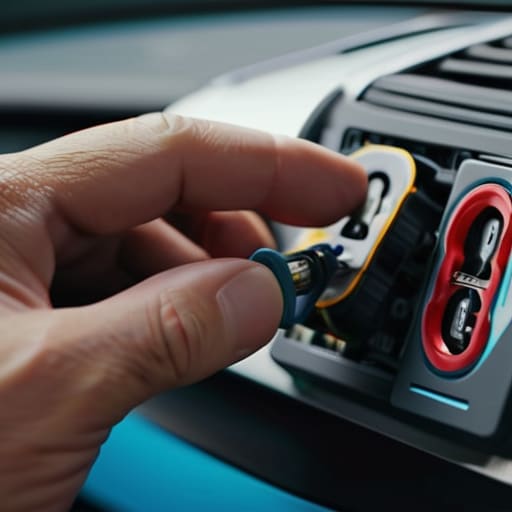
You’re sitting in your driveway, the radio won’t turn on, and your cigarette lighter is dead, so you start thinking, “Great, my car is falling apart and I’m gonna need a tow.” Honestly, stop right there. Before you even think about calling a shop and paying a hundred bucks just for them to look at it, you need to realize that most of the time, you’re looking at a simple fuse replacement and nothing more. I’ve seen guys at the shop get totally intimidated by a dead accessory, thinking it’s a massive electrical short, when really it’s just a tiny piece of colored plastic that gave up the ghost.
I’m not here to give you some textbook lecture or a manual written by an engineer who’s never had grease under their fingernails. I’m going to show you exactly how to find your fuse box, how to spot a blown one without squinting like a maniac, and how to get it swapped out in under five minutes. My goal is to make sure you walk away knowing how to handle this yourself so you can keep your money in your pocket and get back on the road.
Table of Contents
Guide Overview
Tools & Supplies
- Flashlight to see inside the panel
- Fuse puller or needle-nose pliers for removal
- Replacement fuses matching correct amperage
- User manual or fuse diagram for identification
Step-by-Step Instructions
- 1. First things first, you’ve got to kill the power. Don’t just turn the key to ‘off’—actually shut the engine down and pull the key out. If you’re working on something electrical, you don’t want to accidentally cause a spark or a short while you’re poking around. It’s a small step, but it’s the only way to stay safe while you’re working.
- 2. Now, grab your owner’s manual and hunt down the fuse box. Most cars have at least two: one under the hood near the battery and another one tucked away under the dashboard or near the kick panel. Once you find it, pop the cover off. Usually, there’s a diagram on the underside of that lid that tells you exactly what every single fuse does.
- 3. Take a look at the fuse you think is the culprit. You’re looking for a tiny, broken metal link inside the colored plastic housing. If that link is gone or there’s a dark burn mark inside, you’ve officially found your problem. If it looks solid, it might not be the fuse after all, but usually, a dead component means a blown fuse.
- 4. Reach in and grab the fuse puller. Most manufacturers actually include a little plastic tweezer-looking tool inside the fuse box itself, so don’t go digging around with your bare fingers if you can help it. Grip the fuse firmly and pull it straight out. If you pull at an angle, you might snap the plastic or damage the socket, and that’s a headache you definitely don’t want.
- 5. Before you go buying a new one, double-check the number printed on top of the old fuse. It’ll say something like 10, 15, or 20—that’s the amperage. You absolutely cannot use a higher amp fuse than what the car calls for. If the manual says 10, use a 10. Using a bigger fuse is basically asking for a fire, and I’m not trying to see your car go up in smoke.
- 6. Take your new fuse and press it into the empty slot until it’s seated firmly. Give it a tiny little wiggle just to make sure it’s making good contact. Once it’s in, snap the fuse box cover back on and turn your ignition on to see if your light, radio, or whatever was dead is finally back in action.
- 7. If the new fuse blows the second you turn the car on, stop right there. That means you don’t just have a bad fuse; you’ve got a short circuit somewhere in the wiring. At that point, you’ve done all you can do for a quick fix, and it might be time to dig a little deeper or ask for some professional help to find the actual leak.
Spotting Blown Fuse Symptoms Before They Strand You
You don’t always have to wait for your radio to go dead or your headlights to flicker to know something is up. Usually, your car gives you a heads-up. One of the most common blown fuse symptoms is just a random, intermittent loss of power to a specific component—like your power windows acting sluggish or a single interior light dying out. If you notice a specific feature behaving weirdly or cutting out entirely while you’re driving, don’t just assume it’s a broken motor or a fried computer. It’s often just a tiny piece of metal inside a plastic housing that finally snapped.
Before you start tearing things apart, grab your owner’s manual to find the automotive fuse diagram. This is your roadmap; it tells you exactly which fuse controls which circuit so you aren’t guessing in the dark. Once you’ve located the culprit, you can try checking fuse continuity with a multimeter or just a visual inspection. If that little metal bridge inside the fuse looks melted or broken, you’ve found your problem. Just remember: always double-check your fuse amperage ratings before popping in a new one. Putting a higher-rated fuse in a circuit designed for less is a fast way to turn a simple fix into a serious electrical fire.
Reading Your Automotive Fuse Diagram Like a Pro
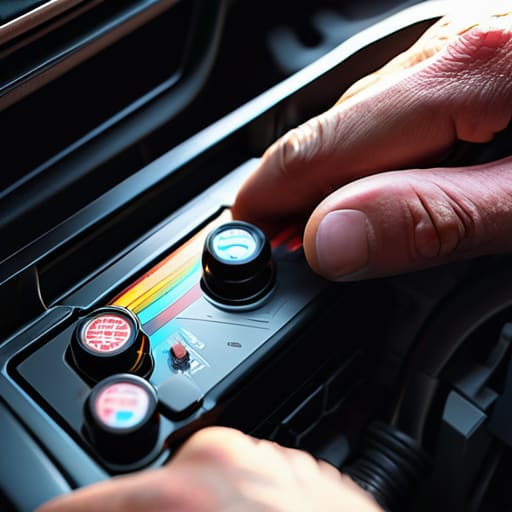
Look, don’t go tearing your entire dashboard apart just because a light stopped working. The first thing you need to do is find your automotive fuse diagram. Most manufacturers hide this in one of two spots: it’s either printed right on the underside of the fuse box cover itself, or it’s tucked away in your owner’s manual. If you’re working on an older car, you might even have to hunt for it online, but once you have it, it’s basically your roadmap. It tells you exactly which little plastic square handles your radio, your headlights, or your fuel pump.
The biggest mistake I see people make is ignoring the fuse amperage ratings. See those little numbers on top of the fuse? That’s not just a random label; it’s the limit for how much electricity that specific circuit can handle. If you pull a blown fuse and try to replace it with one that has a higher rating, you’re basically asking for a fire. You want to match the number exactly to ensure proper electrical circuit protection. Treat those numbers like law, and you’ll keep your car from turning into a very expensive paperweight.
Pro Tips from the Shop Floor
- Never, and I mean never, swap a blown fuse for one with a higher amp rating. If you put a 20-amp fuse where a 10-amp should be, you aren’t “fixing” the circuit; you’re just turning your wiring harness into a heating element that could start a fire.
- Grab a cheap pack of fuse pullers or just use a pair of needle-nose pliers. Trying to dig a tiny fuse out with your fingernails is a recipe for frustration and broken plastic, and trust me, you don’t want to be digging around in a dark fuse box in the rain.
- If you replace a fuse and it pops again immediately, stop messing around. That’s not a bad fuse; that’s a short circuit. You’ve got a deeper electrical issue somewhere, and you need to find the actual culprit before you keep blowing through your stash of spares.
- Keep a small organizer or even just a labeled Ziploc bag of assorted fuses in your glovebox. There is nothing worse than being stuck in a parking lot with a dead radio or no interior lights and realizing you don’t have the one specific size you need.
- Always double-check the color coding. Most fuses are color-coded by their amperage, but don’t just trust your eyes—look at the numbers printed on the top of the plastic. Colors can fade or look different under different lighting, and accuracy is everything here.
The Bottom Line on Fuses
Don’t let a dead radio or a flickering dash light scare you into a $100 shop visit; most of the time, it’s just a cheap fuse that needs a quick swap.
Always double-check your owner’s manual or the fuse box lid before you start pulling things out, because plugging a 10-amp fuse into a 20-amp slot is a recipe for a much bigger headache.
Keep a small pack of assorted fuses in your glovebox or your tool kit—it’s better to have them and not need them than to be stuck on the shoulder of the road because of a two-cent part.
## The Real Cost of Ignorance
“Most people see a dead radio or a flickering dashboard and think their car is dying, but half the time, it’s just a fifty-cent piece of plastic that gave up the ghost. Don’t let a shop charge you a hundred bucks in labor just because you didn’t know how to check a fuse yourself.”
Nikolai·Osterman
Don't Let a Small Fix Break the Bank
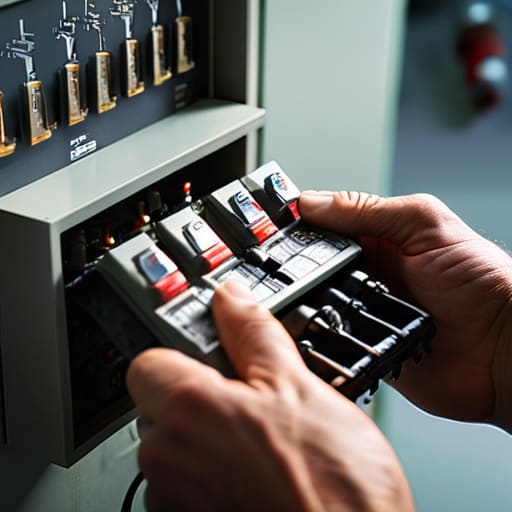
At the end of the day, replacing a fuse is one of those tasks that sounds intimidating until you actually pull the cover off. Just remember the basics: listen for those weird electrical symptoms, grab your manual to find the right diagram, and always make sure you’re matching the exact amperage of the old fuse. If you swap a 10-amp for a 20-amp just because you’re in a rush, you’re asking for a much bigger, more expensive headache down the road. Keep your tools handy, double-check your work, and you’ll have that electrical component back in business before you even have time to get grease on your favorite hoodie.
I know it feels weird to tinker with your own car when you’re used to just handing the keys to a shop, but honestly, that’s how you learn. Every time you handle a repair like this, you’re taking back a little bit of control from the guys who just want to charge you an hour of labor for a five-second job. Don’t be afraid to get your hands a little dirty or look a bit confused at first—that’s part of the process. Once you realize that you are capable of maintaining your own ride, the whole world under the hood starts to feel a lot less like a mystery and a lot more like something you can master.
Frequently Asked Questions
What should I do if the new fuse blows again immediately after I swap it in?
If that new fuse pops the second you turn the key, stop right there. You’ve got a short circuit. Basically, something is pulling way more power than it should, or a wire is touching metal where it shouldn’t. Don’t just keep throwing fuses at it—you’ll just waste money and potentially fry your ECU. You’ve moved past a simple fix and into actual electrical troubleshooting. It’s time to start checking for frayed wires or a faulty component.
Can I use a fuse with a slightly higher amperage if I can't find the exact match in my kit?
Look, I know it’s tempting when you’re stuck in the driveway, but absolutely do not do that. If you put a 20-amp fuse where a 10-amp belongs, you aren’t “fixing” anything—you’re basically turning your wiring harness into a heating element. The fuse is there to die so your expensive ECU doesn’t. If you don’t have the right match, just wait. It’s way cheaper than replacing a melted dashboard.
How do I actually test if a fuse is dead if I don't have a multimeter handy?
Look, I get it—you’re mid-repair and realize your multimeter is sitting on a charger in the house. If you’re stuck, just do a visual inspection. Pull the fuse out and hold it up to a light. Most fuses have a little metal link inside; if that link is broken or there’s a dark burn mark inside the plastic, it’s toast. It’s not foolproof, but it works most of the time.
